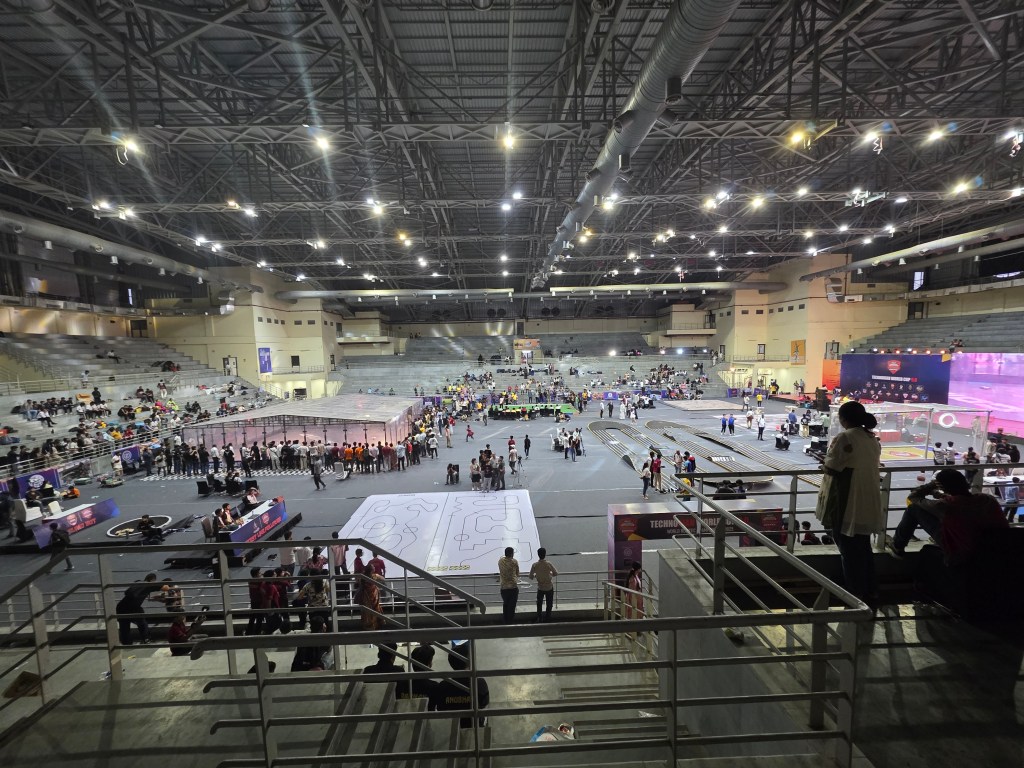
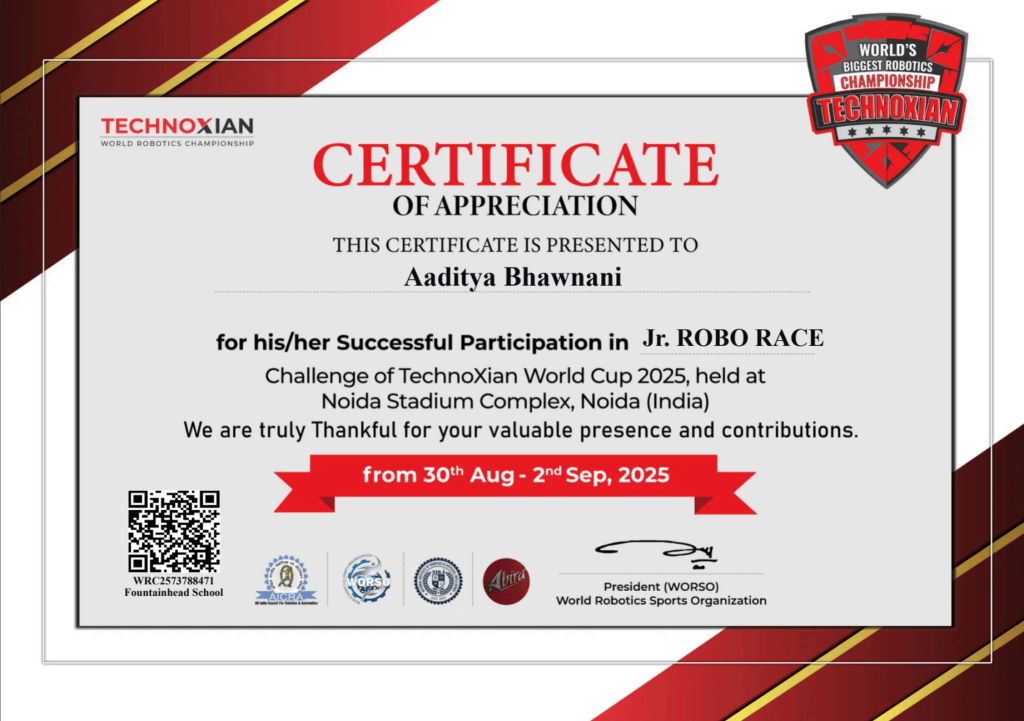
Silence in the Arena. The last thing that would have been thought of is that a stadium full of robotics teams was silent, yet the silence was so severe just before the Semi-Final match. We were exhausted. We stank of solder and sweat. We had fought heat after heat and endured over 400 teams of the world to make it through to the final four.
The next moment, the whole was at an end.
The Grind Before the Glory (LO2: Challenge and Skills) I must discuss the loss itself; however, before that, I will have to discuss the 3 months before the loss. The name that had been given to the project was Robotics Captain, and it really sounded good, but it was primarily residing in the lab. We were not putting together kits but were creating one. The hardest challenge was that of chassis stability in the onsite track. High vibrations in the robot were still experienced at our school in the case of testing.
New Skill: I had to develop high-level project management. It was not merely the issue of my coding; I needed to plan the mechanical team to redesign the wheelbase and redistribute the power flow through the electrical team. It took more to bring together the moving parts (figuratively and literally) than the physics.
The Strategy: How We Beat 400 Teams (LO5: Collaboration) You do not make the semi-finals by just coincidence. You get there on strategy. Where other teams were absolutely preoccupied with the top speed, we focused on consistency and cornering. The track layout was used by my group, and it was decided that we wished to gear our motors to torque and not raw speed.
Teamwork Moment: It was also in the quarter-finals when our driver wanted to be aggressive. Being Captain required me to come up with the executive decision to be safe and use the battery to complete the last lap. There was a lot of stressful wording in the pit, but it was a very productive discussion, and we believed and trusted the data it worked since we won that race by only a few inches as the other team came to a stop.
The human error (Reflective). We carried it to the Semis. The car was perfect. The code was bug-free. But we lost. It was not an equipment failure; it was a human error. The match was lost because of a lapse of two seconds of concentration in the setup/control stage. I was ready to scream at this time. Months of work had been invested in this. Never could I melt down, being captain. I even stared at my teammate, who knew that he had committed the mistake, and I could tell that he was heartbroken. We all huddled together rather than pointing a finger at him. I told the team it was not their fault, but we had forgotten to check. The loss was greater than a lousy grade I have ever received. But it taught me that half the battle is to be an engineer. The other half is to remain in the game when the pressure is at its highest peak.
Conclusions: We went away without the big trophy, but with the knowledge that we had built a machine that can be utilised to defeat 99 per cent of the competition. We were pioneers, fought, and we realised belatedly that in the very apex of the game, there is no room to error.
I have already been making plans for next year. That is one of the errors that we will not make.