


Location: Ambapani Village & Base Campsite
Strands: Creativity, Activity, and Service (CAS)
Experience Description
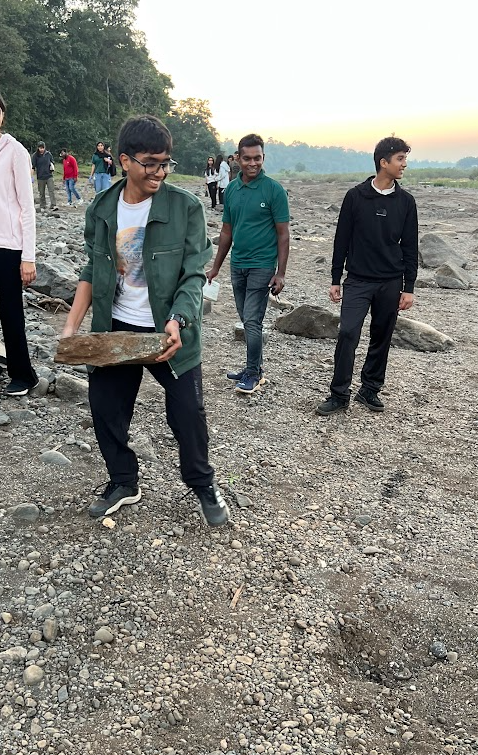
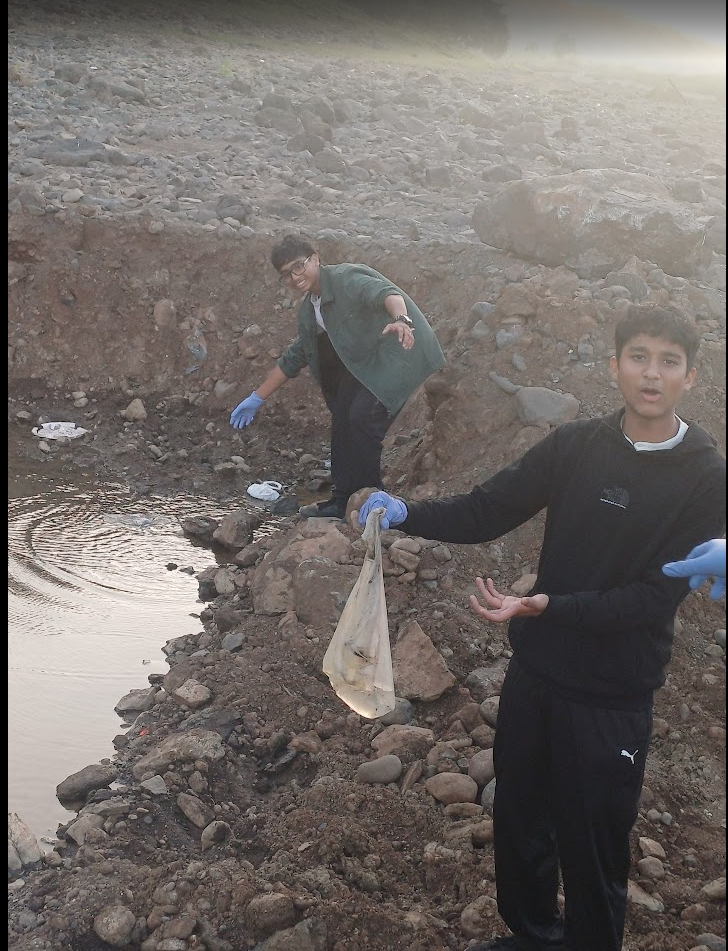
I participated in a transformative rural immersion program in Ambapani. Staying at our designated campsite, I stepped far outside the urban convenience of my daily life to understand the heartbeat of rural India. This experience involved observing agricultural cycles, engaging in manual labor, and interacting directly with the local community to understand their challenges, strengths, and socio-economic realities. It was an exercise in empathy, physical stamina, and creative problem-solving.
Learning Outcomes (Formalized)
LO 1: Identify own strengths and develop areas for growth
At the Ambapani campsite, I quickly recognized my strength in adaptability. Adjusting to simpler living conditions and limited resources required an open mind. However, I identified a clear area for growth in my social initiative; I was initially hesitant to approach the villagers. Over the course of the trip, I pushed past this shyness, becoming more confident in cross-cultural communication and developing a deeper sense of cultural sensitivity.
LO 2: Demonstrate that challenges have been undertaken
The transition from urban life to the rugged environment of Ambapani was a physical and mental challenge. I engaged in Activity by participating in physically demanding agricultural tasks and campsite chores. These challenges forced me to develop practical skills and a profound appreciation for manual labor, strengthening my overall resilience.
LO 3: Demonstrate how to initiate and plan a CAS experience
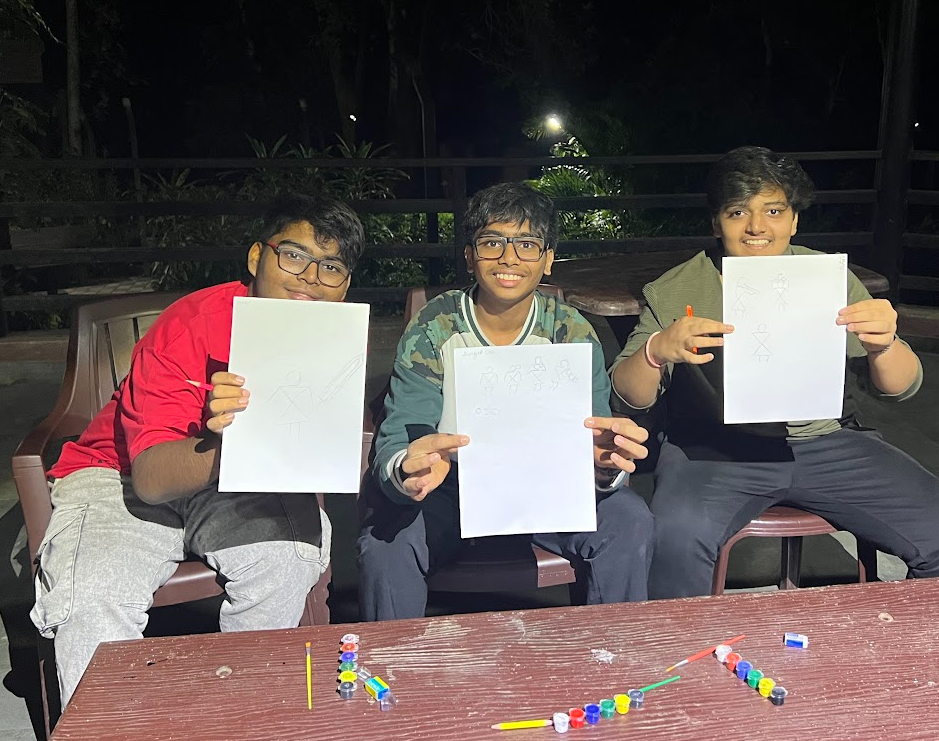
This trip required significant Creativity in the planning phase. Before arriving in Ambapani, our group had to research the village background and design interactive sessions that would be mutually beneficial. I contributed to the planning of our community engagement activities, ensuring our approach was respectful and aligned with the village’s actual needs.
LO 4: Show perseverance and commitment
Living at the campsite was not always comfortable. Long days of fieldwork and unfamiliar routines required sustained commitment. Despite initial physical discomfort, I remained fully engaged, proving that perseverance is essential when attempting to gain a deep understanding of a lifestyle so different from my own.
LO 5: Demonstrate the benefits of working collaboratively
The Ambapani immersion was a masterclass in teamwork. Whether we were organizing group tasks at the campsite or coordinating community interactions in the village, collaboration was key. I learned that diverse perspectives within our student group allowed us to solve problems more efficiently and interact more respectfully with the local population.
LO 6: Demonstrate engagement with issues of global significance
This experience exposed me to the Service aspect of CAS by highlighting global issues like unequal access to healthcare, education, and infrastructure. Seeing these disparities in Ambapani firsthand helped me connect local struggles to broader global challenges regarding sustainable development and social equity.
LO 7: Recognize and consider the ethics of choices and actions
Staying in Ambapani prompted a deep reflection on my own privilege. Witnessing the contrast between my resource consumption and the villagers’ limited access made me reconsider my daily choices. I recognized my ethical responsibility to advocate for equitable development and to be more conscious of how my actions impact global resource distribution.