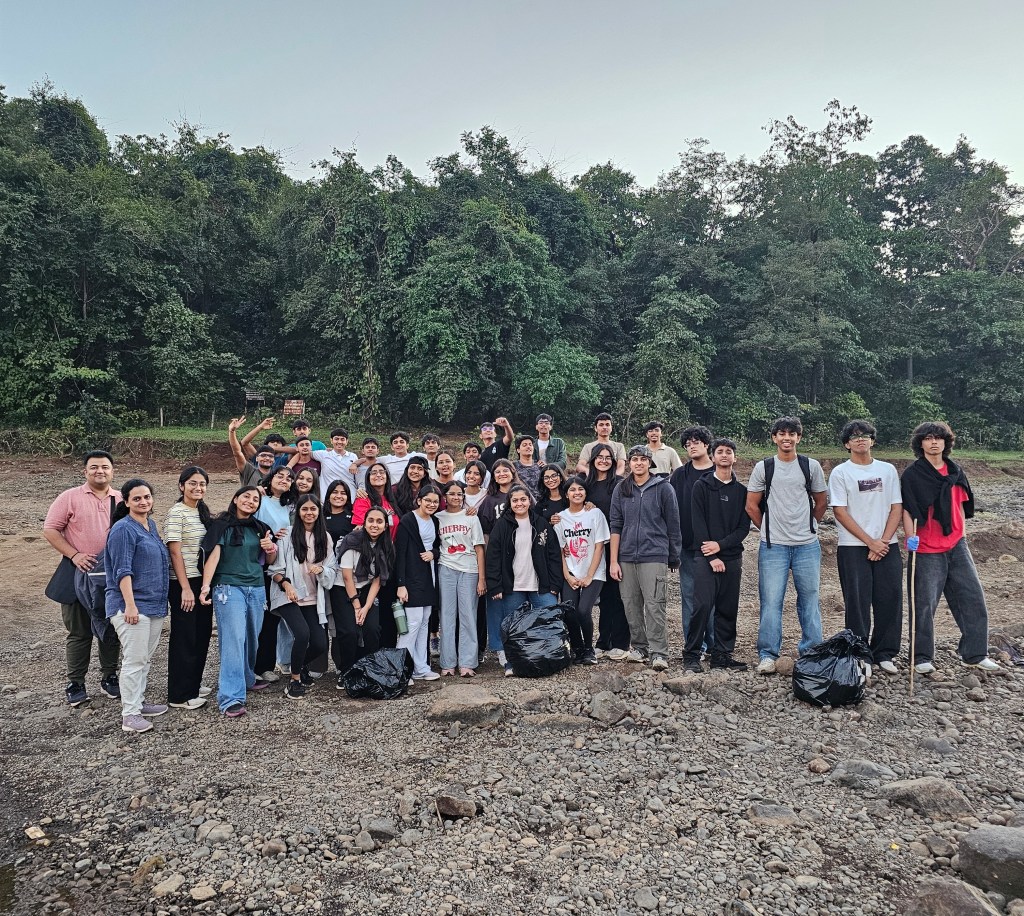
Ambapani
For my CAS portfolio, our school took us on a Rural Immersion Trip to Ambapani, an eye-opening journey that completely shifted my perspective on life. We didn’t just visit as tourists; we experienced the realities of rural life by almost living exactly like the locals. Sharing highly limited resources within our peer groups, we experienced the deep interdependence that keeps a village family unit functioning. From tracking the procedural methods of their income to understanding the hyper-specific roles family members play—like who tends the animals, who commercializes the produce, and who migrates to the city for work—this trip was a masterclass in human resilience, community structure, and grassroots problem-solving.
Learning Outcomes Catered
This project was an incredible journey across all seven Learning Outcomes. I started by identifying my strengths (LO1) in cross-cultural communication while recognizing that I needed to actively grow in my ability to adapt to resource-scarce environments. Initiating and planning (LO3) was evident as our group mapped out field-interview questions and designed a collective resource-sharing system to ensure everyone’s basic needs were met smoothly. Embracing the intense physical discomfort of basic rural living and navigating language barriers during economic data collection presented a massive challenge (LO2) that built my capacity for adaptability.
Sustaining a high level of academic curiosity and cultural respect during long, hot days of field observation required real perseverance (LO4) when physical fatigue crept in. I truly learned the value of collaboration (LO5) by treating my peer group like a village household—dividing chores, sharing limited space, and learning that collective survival completely trumps individual preference. On a broader scale, we directly engaged with global issues (LO6) like the widening rural-urban economic divide and agricultural market dependencies. Finally, we carefully balanced the ethical implications (LO7) of our research, ensuring that our interactions with the families of Ambapani were deeply dignified, non-intrusive, and rooted in genuine mutual respect.
Final Takeaway
The ultimate takeaway from the Ambapani immersion trip was that simplicity does not equal a lack of sophistication. While the villagers face massive daily ups and downs, the unique, organic solutions they have developed to manage their homes and livestock are brilliantly efficient. Living with fewer resources didn’t make them less connected—it made them more unified. This experience gave me a profound, satisfactory feeling of connection to the wider society and a deep appreciation for the privileges I take for granted in the city. I am returning from Ambapani not just with field data for my subjects, but with a grounded sense of empathy, refined collaborative skills, and a lasting commitment to understanding the diverse economic realities of our world.