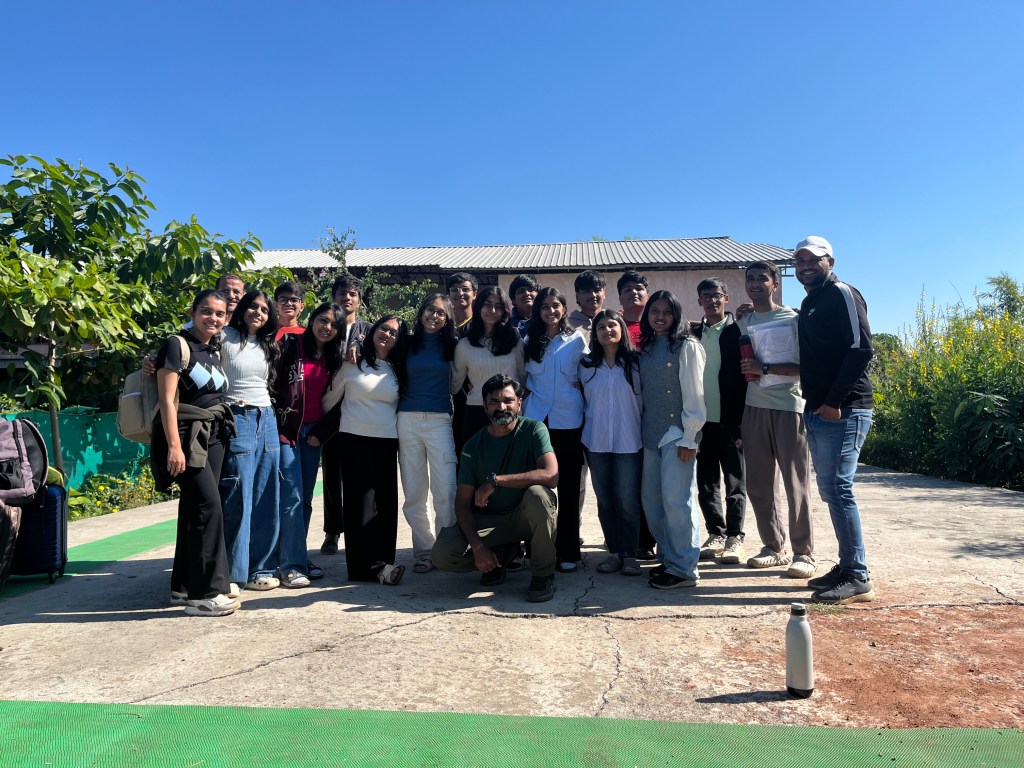
Rural immersion turned out to be one of the most meaningful and transformative experiences I have ever had. What I initially thought would simply be a school trip became a journey of reconnection—with nature, with people, and with myself. Being away from routine, screens, and comfort pushed me into a space where I was fully present, observant, and open to learning in ways a classroom could never offer. Living close to nature helped me slow down and appreciate simplicity. Early mornings, open skies, and the rhythm of village life made me realise how disconnected I often am from my surroundings. Interacting with students from the local school was especially impactful. Despite differences in resources and lifestyle, there was a shared curiosity and warmth that made communication effortless. It taught me to be grateful for what I have, while also being vulnerable enough to step into unfamiliar conversations without fear of judgment. What truly shaped the experience was the people. Our close-knit group of 17 students, along with incredibly supportive teachers, created an environment where even the hardest moments felt manageable. Whether it was exhaustion, uncertainty, or physical challenges, we supported one another constantly. This sense of collective resilience turned difficulties into memories of growth and laughter rather than stress. One of the biggest personal breakthroughs for me was facing my fears. Activities like rappelling and trekking were completely outside my comfort zone—things I would never have imagined myself doing. Yet, in that moment, the mindset was simple: YOLO. I realised that fear often exists only until you choose to act. Completing these activities gave me a strong sense of confidence and showed me that growth begins exactly where comfort ends. Rural immersion was not just about exploration or adventure; it was about learning to communicate better, appreciate community, and trust myself in unfamiliar situations. It taught me gratitude without guilt, vulnerability without weakness, and courage without certainty. Long after the trip ended, its lessons stayed with me reminding me that sometimes, the most powerful learning happens when you step away from what is familiar and say yes to the unknown.
_____________________________________________________________________________________________________________
LO1 Identify own strengths and develop areas for growth
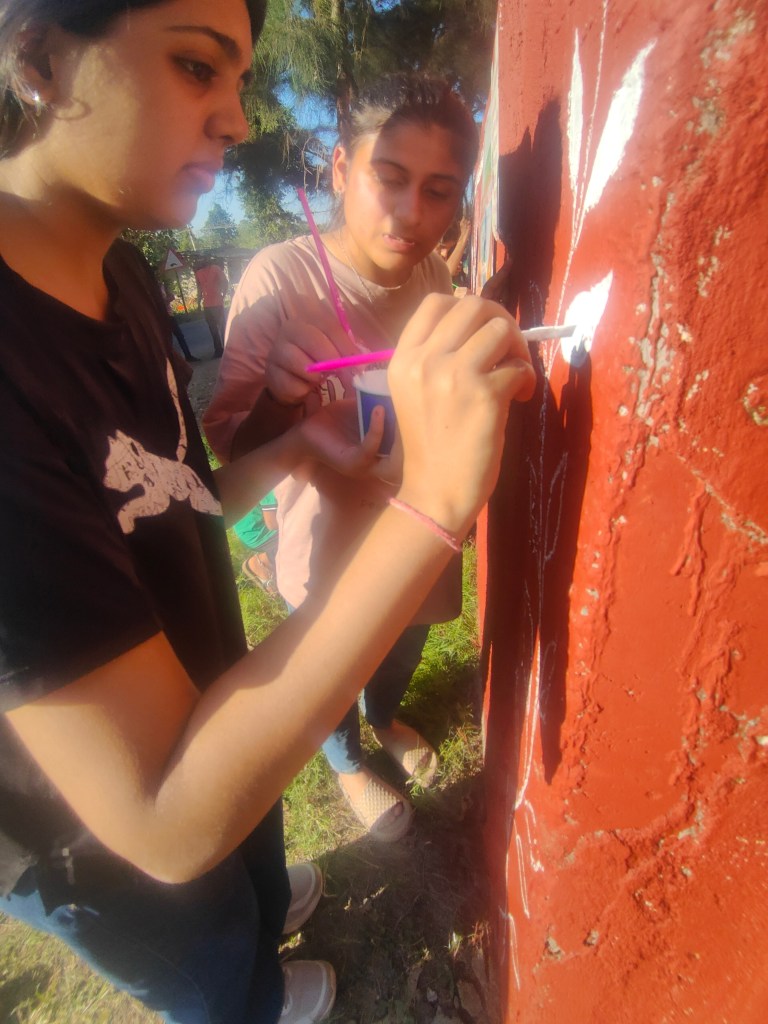
The rural immersion experience allowed me to recognise personal strengths that often remain unnoticed in familiar environments. Being placed in a completely different setting helped me realise my ability to adapt, remain open-minded, and connect with people across differences in lifestyle and background. Activities such as interacting with rural school students, participating in traditional practices like Warli art and bamboo crafting, and engaging in community-based experiences brought out my confidence in unfamiliar situations and my willingness to participate actively rather than remain a passive observer.
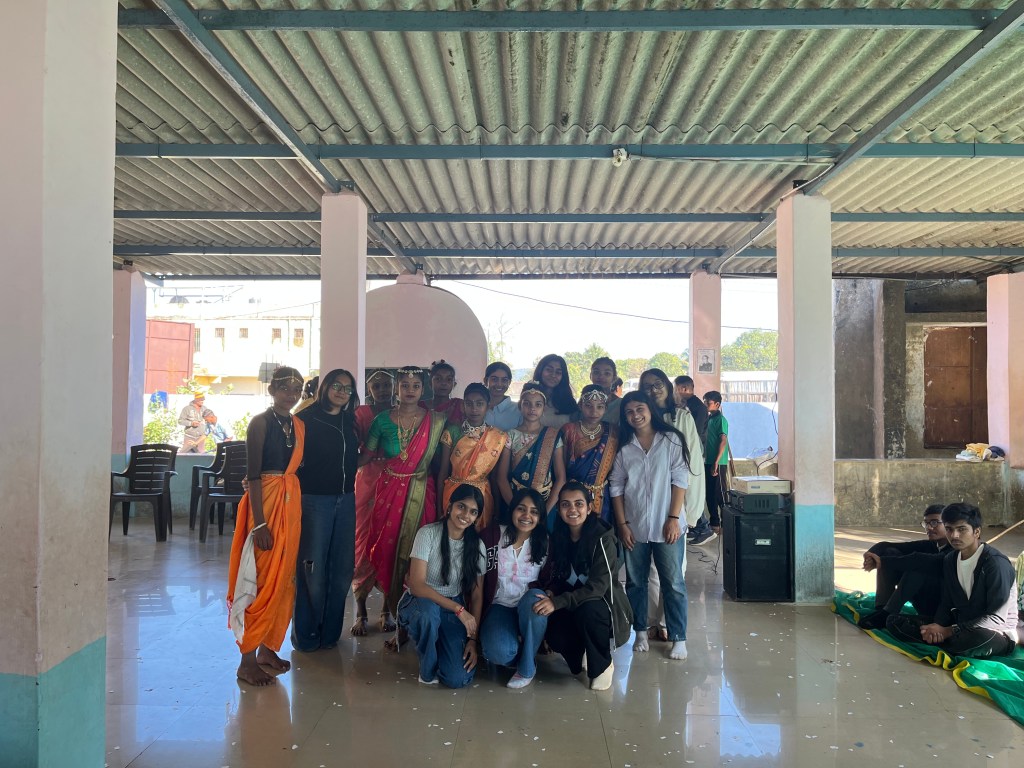
At the same time, the immersion highlighted areas where I needed growth. Communicating with people from different cultural and social contexts required patience, sensitivity, and clarity. Initially, I found it challenging to express myself effectively, but through shared activities such as drama performances, dance sessions, and play with the children, I learned that communication extends beyond language. This experience helped me become more self-aware, reflective, and intentional in the way I interact with others.
LO2 Demonstrate that challenges have been undertaken, developing new skills
The immersion involved multiple physical and mental challenges that pushed me far beyond my comfort zone. Activities such as rappelling, trekking, and visiting waterfalls were completely outside my original expectations and personal comfort boundaries. Facing these fears required courage and trust in both myself and those around me. Choosing to attempt these activities despite hesitation taught me that growth begins when fear is acknowledged rather than avoided.
In addition to physical challenges, I developed new skills through cultural and experiential learning. Bamboo crafting and Warli art required patience, focus, and respect for traditional knowledge systems. These activities taught me to slow down and value the learning process rather than only the outcome. Overall, the experience strengthened my resilience, adaptability, and confidence in handling unfamiliar situations.
LO3 Initiate and plan a CAS experience
Although the rural immersion programme was organised by the school, I actively took initiative within the experience. I chose to engage fully in every activity, volunteered enthusiastically during interactions with village children, and contributed actively during group discussions and performances. Participating in drama and dance sessions for the school children allowed me to take responsibility for engagement and learning rather than remaining within my comfort zone.
Through this experience, I understood that initiative is not limited to planning logistics but also involves making conscious choices about involvement and effort. By taking ownership of my participation, I was able to derive deeper learning and personal growth from the immersion. This outcome reinforced the importance of being proactive in structured CAS experiences.
LO4 Show perseverance and commitment in CAS experiences
Living in a rural environment required significant adjustment to unfamiliar routines, physical exertion, and limited comforts. Early mornings, long treks, and continuous engagement tested my physical and mental endurance. Despite moments of fatigue and uncertainty, I remained committed to participating fully in all activities, especially those that were physically demanding, such as trekking and rappelling.
The support of our close-knit group of 17 students and the guidance of dedicated teachers played a crucial role in sustaining perseverance. Working and learning together transformed challenges into shared achievements and reinforced the value of commitment. This experience taught me that perseverance becomes more meaningful when supported by collective encouragement and shared purpose.
LO5 Demonstrate skills and recognise the benefits of working collaboratively
Collaboration was central to almost every aspect of the rural immersion. Activities such as drama performances, teaching dance to school children, group treks, and cultural sessions required teamwork, communication, and mutual respect. Each individual contributed unique strengths, and learning to coordinate effectively enhanced both the quality of outcomes and group dynamics.
Working collaboratively also strengthened emotional connections within the group. Shared experiences such as stargazing sessions, reflections, and community interactions fostered trust and understanding. This reinforced my belief that collaboration not only improves efficiency but also enriches learning and personal growth.
LO7 Recognise and consider the ethics of choices and actions
The immersion encouraged deep reflection on ethical engagement with communities. Visiting rural homes, sharing meals, and interacting closely with local families highlighted the importance of respect, humility, and gratitude. These experiences challenged assumptions and helped me understand that ethical service involves listening, learning, and valuing different ways of life rather than imposing external perspectives.
Reflective discussions on topics such as manifestation, destiny versus luck, and life purpose added depth to my understanding of ethical responsibility. Observing the simplicity and resilience of rural life prompted me to reflect on privilege, intention, and conscious living. This experience strengthened my ethical awareness and shaped the way I approach community engagement and personal choices moving forward.
Conclusion:
This rural immersion was, without doubt, the best trip I have ever had. I had always heard people say that trips away from routine teach you the most about yourself, but this was the first time I truly felt it. Away from comfort, structure, and familiarity, I became more aware of my thoughts, my fears, and my capacity to grow. Every experience felt intentional, every moment meaningful, and every challenge empowering.
What made this immersion truly unforgettable was the combination of people, purpose, and perspective. From learning in nature and engaging with rural communities to sharing laughter, reflection, and growth with an incredible group of peers and teachers, the experience felt deeply grounding and transformative. It was unlike any trip I had been on before-honestly, even more impactful than previous nature camps. Best people, best experience, and memories that will stay with me long after the journey ended.