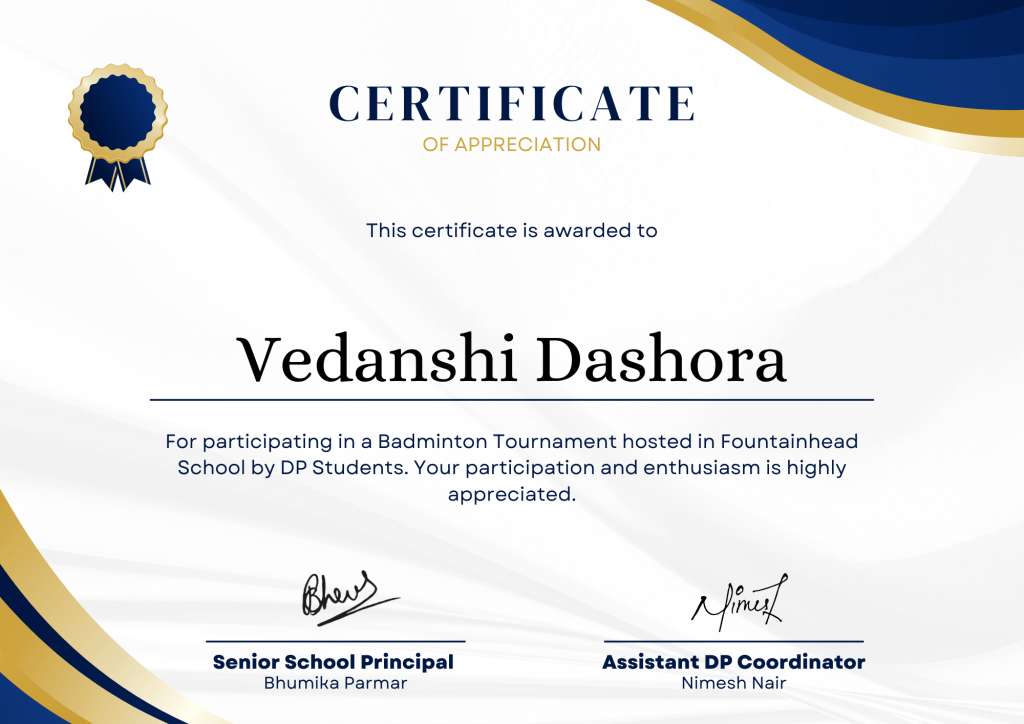
I participated in the U-17 Girls Doubles badminton tournament at school to explore the sport more seriously and test my abilities in a competitive setting. Although I had played badminton casually before, I had never been part of a formal tournament that required structured teamwork, strategy, and stamina. My goals were to understand my strengths and weaknesses as a player, improve coordination with my partner, and gain experience in high-pressure situations. I also wanted to challenge myself physically, stay committed throughout the matches, and understand how collaboration, communication, and strategy play a major role in performing well as a team.
LO1 – Identify own strengths and develop areas for growth
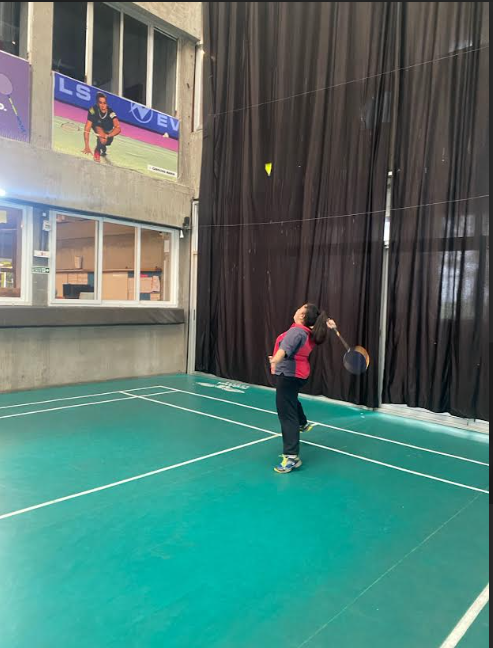
Participating in the tournament helped me recognize my strengths and weaknesses in a very real way. I realized that I have good reflexes and decent court awareness, which allowed me to anticipate shots quickly. However, I also became aware of areas I need to develop, such as maintaining consistency in rallies and staying calm when the score gets tight. This experience strengthened my reflective learner profile attribute because I had to analyze my own performance honestly to understand what worked and what didn’t. Seeing both my strengths and limitations clearly made me feel more motivated instead of discouraged. I understood that identifying weaknesses is not about criticism, it’s about clarity, which eventually leads to growth. This mindset will help me train more intentionally if I decide to pursue the sport further.
LO2 – Demonstrate challenges undertaken & skills developed
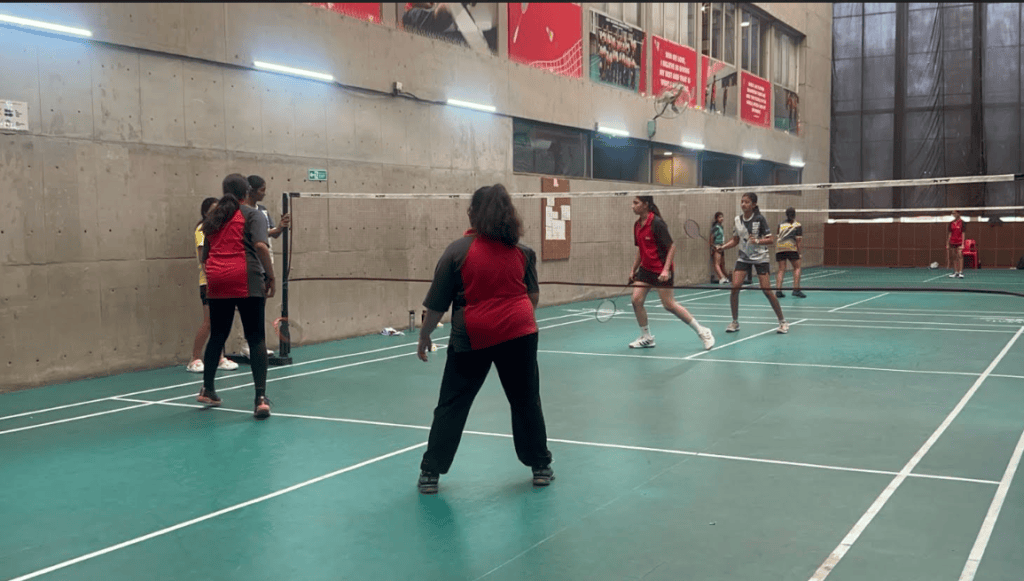
The biggest challenge during the tournament was handling the pressure of real competition. Unlike casual games, every point felt important, and there was constant pressure to make the right decisions quickly. Adjusting to my partner’s pace, deciding who takes which shot, and maintaining communication during fast rallies was difficult. I had never experienced this level of coordination before. Overcoming this challenge required me to be more open-minded and flexible, willing to adjust my playing style and trust my partner’s instincts. I also discovered a new skill: reading opponents’ patterns, which helped us predict shots better. Facing this challenge made me feel stronger and more confident, showing me that I can perform even when the environment feels intense. Learning to manage pressure is a skill I know will help me not only in sports but also in academics, group work, and future competitive situations.
LO4 – Show commitment & perseverance

Playing in the tournament required more perseverance than I expected. Each match demanded full focus, even when I felt physically tired or frustrated after losing a point. As an introverted person who usually prefers less pressure, staying mentally strong throughout the matches was difficult. However, I reminded myself that I joined the tournament to push my limits and grow as a player. This required courage and consistency, two things I actively worked on throughout the event. Even when rallies became challenging or when mistakes began affecting my mindset, I chose to stay committed and push through. That persistence helped me appreciate that perseverance is not about never losing; it is about continuing with determination despite setbacks. The experience made me feel more resilient and confident in my ability to handle competitive environments.
LO5 – Demonstrate collaboration & benefits of teamwork
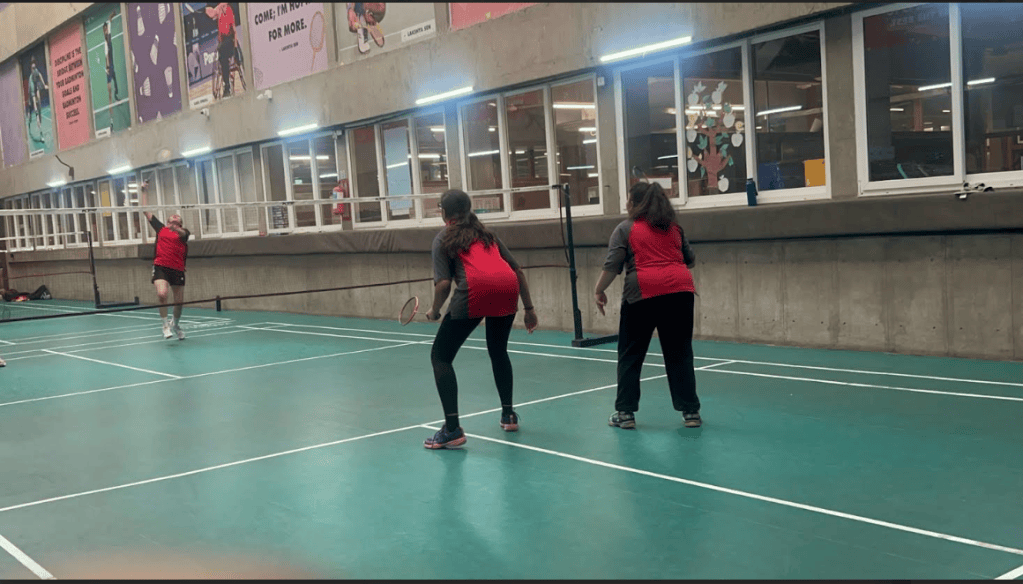
Badminton doubles highlighted the importance of collaboration more than anything else. Coordination, trust, and communication were essential, especially when deciding who takes the next shot or how to position ourselves during intense rallies. Initially, it was challenging to adjust to each other’s playing styles, but gradually we built a rhythm. This helped me strengthen my communicator learner profile attribute, as I had to express strategies clearly and also understand my partner’s suggestions. Working together made the game more enjoyable and much more effective. I learned that good partnerships are built not just on skill, but on mutual respect, adaptability, and shared focus. This experience reminded me how powerful teamwork can be and how collaboration can turn a stressful situation into a supportive one.
To conclude, this tournament helped me grow as a reflective, courageous, and communicative learner. I gained confidence in my abilities, understood my strengths more clearly, and learned the value of teamwork under pressure. The highlight was realizing how much coordination and trust matter in doubles. If I repeated this experience, I would train more consistently and work on strategies with my partner. Overall, the tournament taught me resilience, discipline, and the importance of shared effort.