Introduction
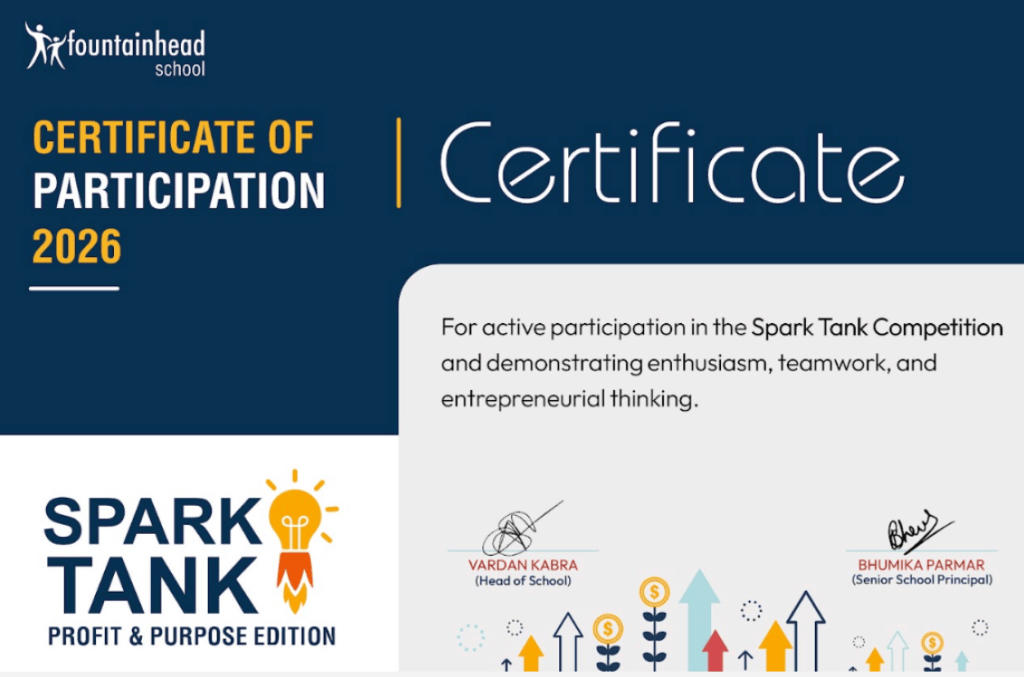
As part of my CAS Creativity experience, I participated in the BM Spark Tank, where my team developed a business concept called Eco Leaf. The idea was based on creating a microgeneration system using leaf-shaped wind turbines to produce renewable energy in urban environments.
The project began with us thinking about how renewable energy could become more practical for people living in cities. Traditional wind turbines require significant space and are generally associated with large open areas, so we wanted to explore whether a smaller system could be designed for everyday urban spaces. Our idea was to create leaf-shaped turbines that could potentially be placed on balconies, in gardens or around residential buildings.
One of the aspects we wanted to focus on was making the product fit naturally into its surroundings. Instead of designing something that looked like industrial equipment, we imagined Eco Leaf as a product inspired by nature. The leaf-shaped design was intended to make the system visually appealing while still serving the purpose of generating renewable energy.
Developing the idea was not as simple as coming up with a creative product. We had to consider whether the concept could actually work and what limitations it might face. We discussed factors such as wind conditions, energy generation, efficiency and where the product could realistically be installed. This made us look beyond the initial idea and think more critically about its practical applications.
As the project progressed, we also received feedback that helped us improve our concept and presentation. We worked on making our explanation clearer and ensuring that the different parts of our idea connected logically. Rather than keeping our original concept unchanged, we made adjustments based on the feedback and discussions within the team.
Learning Outcome 1: Identify own strengths and develop areas for growth
Through this experience, I identified that one of my strengths is contributing ideas during group discussions. I was comfortable thinking about the concept and helping develop different aspects of Eco Leaf. I was also able to organize information and contribute towards making our overall idea easier to understand.
However, I realized that I need to improve my confidence when communicating ideas. Having a good idea is not enough if I cannot explain it clearly to other people. During the BM Spark Tank, I became more aware of the importance of speaking confidently, organizing my thoughts and responding to questions. This gave me a clear area to work on in future presentations.
Learning Outcome 2: Demonstrate that challenges have been undertaken, developing new skills in the process
One of the main challenges was turning a creative idea into something that could potentially be practical. At first, it was easy to imagine the product, but we then had to think about how it would actually operate in urban environments.
This required us to consider limitations such as low wind speeds, the amount of energy that could be generated and suitable locations for installation. I developed my problem-solving and critical-thinking skills by learning to question our initial assumptions and modify the concept when necessary.
I also learned that creativity and practicality need to work together. An idea can be innovative, but it also needs to address realistic problems and limitations.
Learning Outcome 4: Demonstrate commitment to and perseverance in CAS experiences
Developing Eco Leaf required us to make improvements throughout the process. We received feedback on our concept and presentation, which meant that we could not simply complete the first version and consider the work finished.
We went back to our ideas, improved the structure of our presentation and made our explanations clearer. Some changes required us to reconsider parts of our original concept, but we continued working on it rather than giving up on the first version. This taught me that improvement usually comes through several stages rather than happening immediately.
Learning Outcome 5: Demonstrate the skills and recognise the benefits of working collaboratively
Teamwork was a major part of the BM Spark Tank. Each member of our group contributed different ideas and perspectives, which helped us develop Eco Leaf into a more complete concept.
Working together also taught me the importance of listening to other people’s suggestions. Sometimes another team member would identify an issue that I had not considered, which allowed us to improve our idea. Dividing responsibilities also made it possible for us to work more efficiently.
This experience showed me that collaboration is not simply about splitting work between people. It involves communicating, accepting different perspectives and combining individual strengths to achieve a common goal.
Reflection
The BM Spark Tank helped me understand that developing an innovative idea requires much more than creativity. Eco Leaf began as a simple concept for a leaf-shaped wind turbine, but developing it required research, discussion, critical thinking, teamwork and repeated improvements.
The experience also made me more aware of my own communication skills. I realized that I need to become more confident when explaining my ideas, particularly when presenting them to an audience. At the same time, I became more comfortable contributing ideas and responding to feedback.
Overall, the BM Spark Tank was a valuable Creativity experience because it allowed me to take an original idea and develop it collaboratively. Eco Leaf also helped me understand how business ideas can be connected to sustainability and real-world problems. Most importantly, I learned that a strong idea is only the starting point; turning it into something meaningful requires teamwork, persistence and a willingness to improve.