Introduction
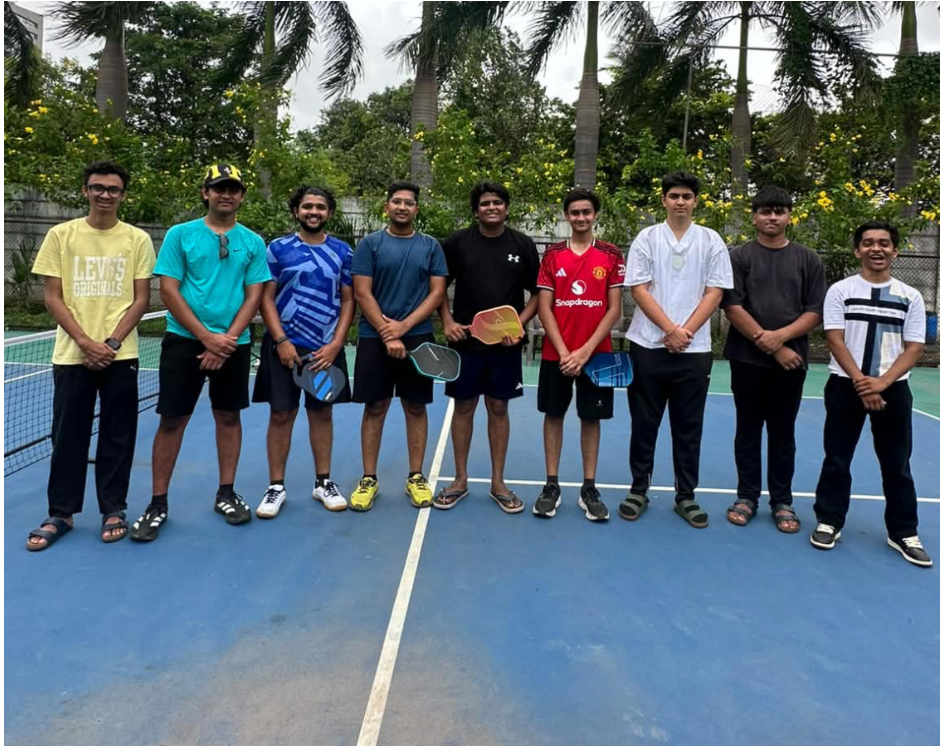
A few days ago, “Dill with It” was just a name on a Google Doc. On Sunday, 12th July 2026, it was ten teams, one very warm morning at SRK Sports Complex, and a cash box that ended the day ₹7,000 heavier for Green Guardian Charitable Trust.
The idea started with a simple question: could we run something people would genuinely want to show up for, and quietly attach a cause to it that mattered? Surat’s bird population has been shrinking as green cover gives way to concrete, and Green Guardian Charitable Trust had already been doing the quiet, unglamorous work of rescuing injured birds and running water-bowl drives across the city. We didn’t want to just write them a check and call it service — we wanted to build something that got other people invested too. Pickleball felt right: fast-growing, easy to pick up, and doubles format meant twice the people showing up per team.
What the flyer didn’t say was that the week before the tournament, it rained almost every single day. Our timeline was already tight — finalising the CAS plan, waiting on supervisor approval, trying to get the registration form out — and the monsoon made every contingency plan feel unreliable. There were a couple of days where the group was genuinely tense, chasing sign-offs faster than they were coming in, with a supervisor mix-up thrown in for good measure. What should’ve been a leisurely two-week rollout got compressed into a handful of days.
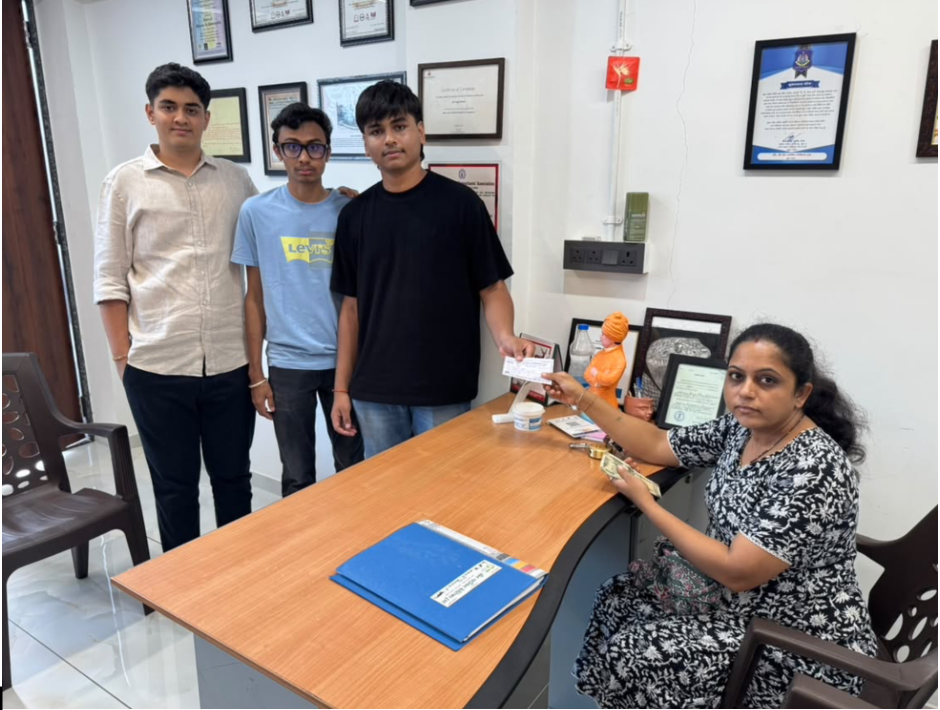
By the time Sunday arrived, we had ten teams locked in. Ten doesn’t split evenly into a bracket, so we ran two Round 1 matches to trim the field to a clean eight, then moved through quarterfinals, semifinals, and a best-of-three final. Shlok Paladiya and Paavan Rajodiya played the final of their lives, closing it out to take home the ₹3,000 prize. Once the prize was paid out and expenses settled, we were left with ₹7,000 to hand over to Green Guardian Charitable Trust — money going directly toward installing bird feeders across Surat.
Learning Outcomes
Looking back at IB’s seven CAS learning outcomes, a few of them weren’t just technically satisfied — they were the actual shape of what this project felt like from the inside.
2. Demonstrate that challenges have been undertaken, developing new skills in the process. The weather week was the real challenge here, not the tournament itself. Holding a plan together while approvals stalled and the timeline kept shrinking wasn’t something I’d had to do before, and it forced a kind of fast, slightly stressful problem-solving I hadn’t really practised — reprioritising daily, sometimes hourly, instead of working off a fixed schedule.
3. Demonstrate how to initiate and plan a CAS experience. Nobody handed us this project. We picked the cause, picked the format, wrote the plan, and built the budget from a blank page — and then had to keep re-planning as the timeline and the numbers shifted under us.
5. Demonstrate the skills and recognise the benefits of working collaboratively. Five of us split this into logistics, marketing, finance, and event-day roles. It only worked because we trusted each other to actually own those pieces instead of everyone trying to do everything, especially once the compressed timeline meant we couldn’t afford to duplicate effort.
6. Demonstrate engagement with issues of global significance. Urban biodiversity loss isn’t unique to Surat — it’s a small, local instance of a much bigger pattern. Tying entry fees directly to bird feeder installation made that connection concrete instead of abstract.
7. Recognise and consider the ethics of your choices and actions. Handling other people’s entry fees, being transparent about where the money actually went, and following through on the donation instead of letting it quietly shrink into “miscellaneous costs” — that mattered more than anything that made it onto the flyer.
Conclusion
The plan is never the project. The project is what you do when the plan stops holding up. Between the weather, the compressed deadlines, and the very real tension of watching a timeline shrink in front of you, “Dill with It” ended up testing patience and improvisation far more than it tested our ability to design a flyer or book a court.
But it also confirmed something I’d hoped was true going in — that people show up for causes when you make the ask fun instead of heavy. Ten teams didn’t sign up because they were passionate about urban bird conservation. They signed up because it sounded like a good Sunday. The conservation part happened anyway. That, more than the final scoreline, feels like the actual win.