Date: June 2025 to April 2026
Strand: Activity
Location: In-School
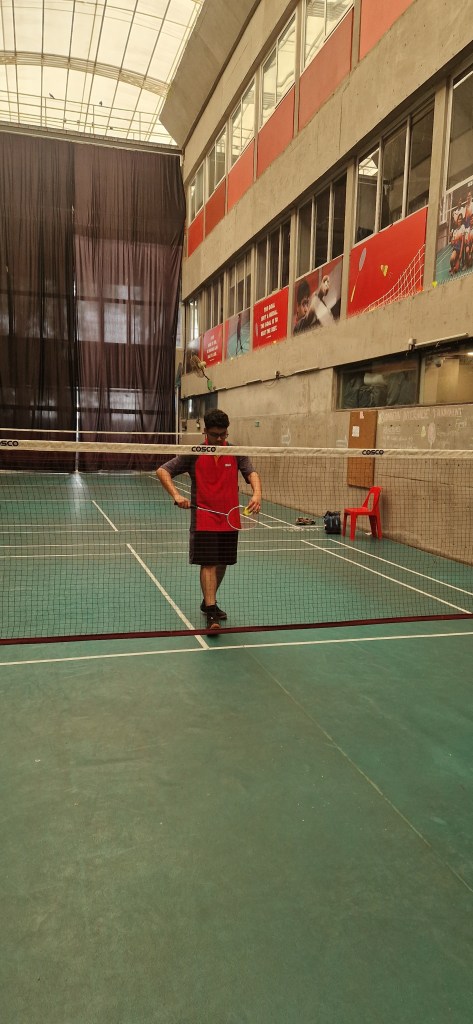
Throughout the academic year, I participated in a Physical Sports (PS) badminton training program at school under the guidance of our badminton coach. Across the year, I completed approximately 99 hours of training, where we focused on developing both technical skills and physical fitness. The sessions included learning proper footwork, improving racket control, practising different types of shots such as clears, smashes, and drop shots, and understanding basic match strategies. We also performed physical conditioning drills to improve agility, stamina, and coordination. In addition to skill drills, we played practice matches where I applied what I had learned in real game situations. This experience required consistent effort and commitment, and it helped me improve my badminton abilities while also strengthening my discipline, focus, and overall physical fitness.
LO1 – Identify Own Strengths and Develop Areas for Growth
This experience helped me recognise both my strengths and the areas where I needed improvement in badminton. I realised that I was relatively comfortable with maintaining rallies and demonstrating basic shot control. However, I also noticed areas that required further development, such as improving my footwork speed, positioning on the court, and consistency during longer matches. Receiving feedback from the coach helped me understand these areas more clearly and motivated me to focus on refining my technique. Through regular practice, I became more aware of how small adjustments in movement and timing could significantly improve my gameplay.
LO2 – Demonstrate That Challenges Have Been Undertaken, Developing New Skills
Badminton training presented several challenges, particularly when learning new techniques and improving physical endurance. Initially, executing certain shots accurately while maintaining proper footwork required considerable practice. The structured drills and match simulations pushed me to develop better coordination, reaction time, and shot control. Over time, I learned to execute different strokes more confidently and apply strategies during practice matches. These challenges helped me develop new physical and technical skills while also improving my ability to stay focused and adapt during competitive gameplay.
LO4 – Show Perseverance and Commitment in CAS Experience
Participating in badminton training throughout the entire academic year required strong perseverance and commitment. Completing approximately 99 hours of practice meant consistently attending training sessions and remaining engaged in the improvement process. There were times when the drills were physically demanding or when progress felt slow, but I continued to practise and follow the coach’s guidance. Maintaining regular participation helped me understand that improvement in sports requires sustained effort and dedication over a long period of time rather than short-term participation.
LO5 – Demonstrate Skills and Benefits of Working Collaboratively
Although badminton is often played as an individual sport, collaboration was still an important part of the training sessions. Many drills required working with partners to practise rallies, maintain consistency, and support each other’s improvement. During practice matches, I learned to communicate effectively and cooperate with my training partners to maintain a productive practice environment. Observing others’ playing styles and sharing feedback also helped me gain new perspectives on gameplay. This collaborative environment made the training more effective and demonstrated how teamwork can contribute to individual improvement.
EVIDENCE