As part of my CAS journey, I participated in a six day rural immersion program in Ambapani, Dang with the objective of understanding rural life, sustainability and community values. During the six day rural immersion trip to Ambapani, I lived in an environment that was very different from my usual urban routine and engaged directly with village life through farming activities, bamboo product making, Warli painting, village interactions, and exploring the local environment. My main goals were to understand the daily realities of rural communities, reflect on the stark social and economic differences between urban and rural lifestyles, and question my own assumptions about comfort, development, and what a “good life” really means. Stepping away from the comfort of urban life and into a rural setting challenged my assumptions about development and success. The immersion made several issues of global significance very real for me, especially inequality, sustainable living, and the relationship between development and the environment. Seeing families who live with limited access to resources, yet maintain strong community bonds and low-consumption lifestyles, made me think about how urban life often equates development with material comfort and constant consumption. The highlight for me was the genuine warmth and hospitality of the villagers, who shared their time, skills, and stories with us despite our short stay. Going forward, I want to use what I learned in Ambapani to engage more thoughtfully with issues of inequality and sustainability in my own city.


Learning Outcome 1: Identify Own Strengths & Develop Areas for Growth
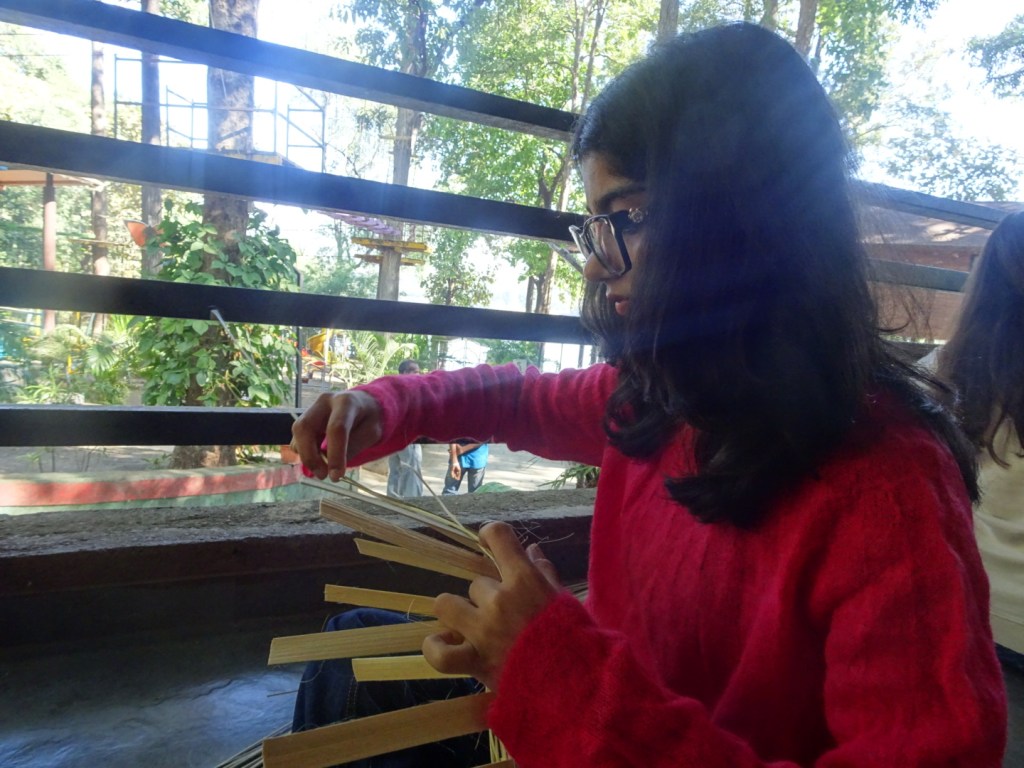
During the Ambapani Rural Immersion, I clearly identified my strengths and weaknesses in adapting in unfamiliar environments. One of my strengths was adaptability, despite undesirable conditions, i was able to adjust to a different routine, food habits, and physical work. However I also realised my weakness, which was my heavy dependence on comfort and structure. Becoming aware of this made me slightly uncomfortable but also motivated me to grow. I actively worked on my weakness by pushing through discomfort without complaint, fully participating despite fatigue, which built resilience over the six days. Overcoming this earlier would have benefited the bamboo crafting sessions, where my initial impatience with imprecise tools slowed progress, but better adaptation would have let me master the technique faster and contribute more.
Learning Outcome 2: Demonstrate Challenges That Have Been Undertaken, Developing New Skills in the Process

The most challenging part of the immersion was adjusting to the lack of modern conveniences and engaging in manual labor under the sun. This was challenging because it was physically exhausting and mentally unfamiliar. I had never experienced rural labor so closely before. I overcame this by observing locals, learning from peers, and reminding myself of the purpose behind the activity. Undertaking this challenge left me proud and energized; the tangible progress from clumsy attempts to competent output built real confidence in my adaptability. I discovered a skill for patient, repetitive craftsmanship that I didn’t know I had, particularly in shaping bamboo and Warli painting, where steady hands and focus replaced my usual quick-thinking approach. These skills taught me patience, precision, and respect for traditional knowledge, making me feel more capable and grounded.
Learning Outcome 3: Demonstrate How to Initiate and Plan a CAS Experience
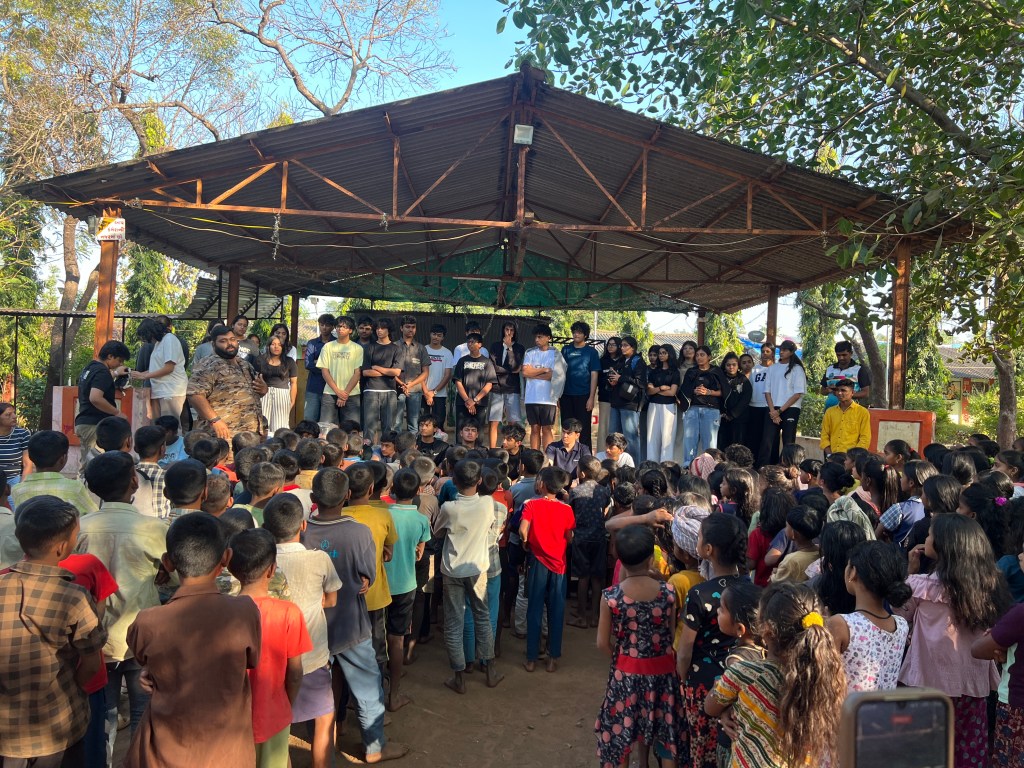
Although the rural immersion program was pre-organized, I had to take personal initiative throughout the experience. One moment that strongly reflected this was when I spontaneously initiated activities with the local school children, such as teaching them simple Western dance routines and participating in traditional dances with them. These activities were not pre-planned, but required quick thinking, confidence, and adaptability to engage the children meaningfully. I had to assess their comfort level, communicate without relying heavily on language, and create an inclusive environment. This experience helped me realize that initiating activities does not always require extensive planning, sometimes it requires awareness, creativity, and the willingness to step forward. As a result, I feel more confident initiating activities in the future and understand the importance of leadership and initiative in creating meaningful CAS experiences.

Learning Outcome 4: Show Commitment & Perseverance in CAS Experiences
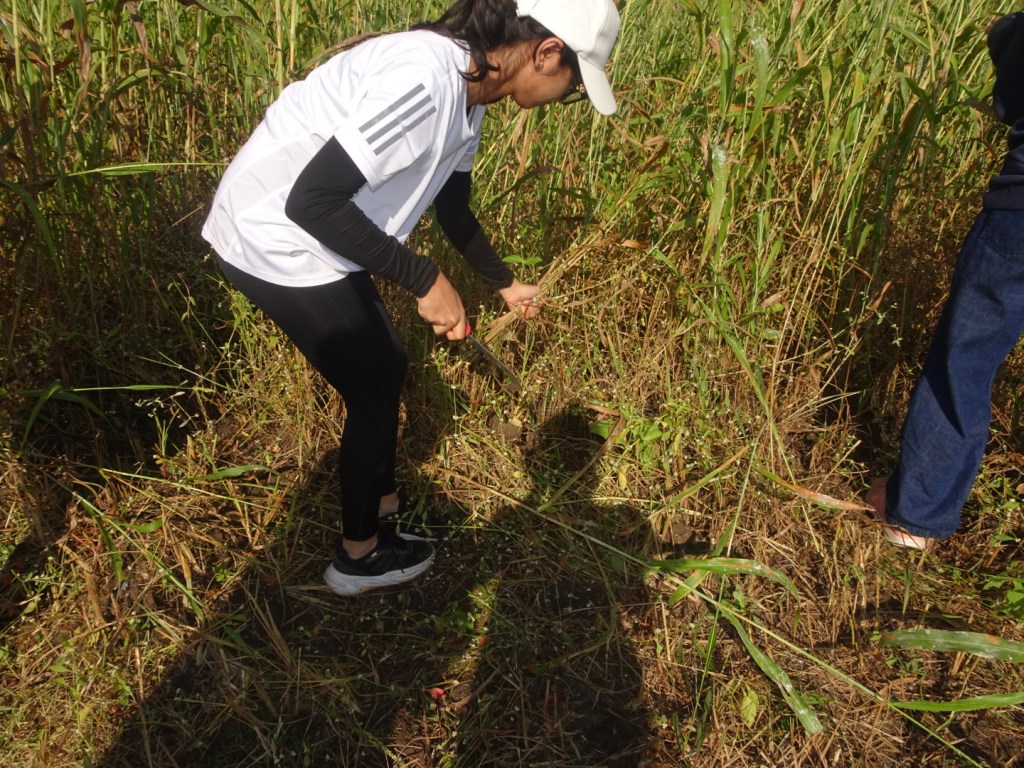
This activity required consistent commitment, especially when tasks felt tiring or uncomfortable. Perseverance was necessary during farming work and long days without personal space or technology. At times, I felt frustrated, but pushing through helped me build mental strength. That exhaustion tested me deeply, leaving me frustrated at first but ultimately fulfilled when I pushed through, turning discomfort into respect for villager’s endurance. Completing the program required showing up every day with effort and openness. While commitment can be difficult, this experience reminded me why perseverance matters, it allows personal growth and helps us fully benefit from fruitful experiences.
Learning Outcome 5: Demonstrate the Skills & Recognize the Benefits of Working Collaboratively
Collaboration was essential throughout the rural immersion experience, especially during activities that required trust, coordination, and shared responsibility. During treks and nature walks, we had to rely on one another for safety, ensuring that no one was left behind and that we were constantly looking out for each other. This sense of mutual care became even more evident when we worked together at the village school. Serving food to the children, washing dishes and vessels, cleaning pathways, and organizing games required teamwork, communication, and cooperation. Even during the river bath, we stayed close to one another to ensure everyone’s safety in case someone slipped. These experiences showed me that collaboration is not just about dividing tasks, but about collective responsibility and awareness. Working together strengthened trust within the group and highlighted how shared effort makes challenging situations safer and more efficient.

Learning Outcome 6: Demonstrate Engagement with Issues of Global Significance

This experience made me directly aware of global issues such as inequality in access to basic resources, infrastructure gaps, and living conditions in rural communities. At the village school, I noticed that many children did not even have basic glasses to drink water from and lacked everyday necessities such as sufficient dishes and large vessels for cooking food items that are often taken for granted in urban life. In the broader community, people relied on minimal use of resources, frequently faced power outages, and lived without consistent access to heating, as the geyser was not functioning despite the cold weather. Additionally, the lack of readily available protection from wildlife, such as leopards, highlighted the vulnerability of rural populations. Witnessing these realities helped me understand how global issues like poverty, resource inequality, and uneven development affect daily life. This awareness made me more conscious of my own privilege and reinforced the importance of sustainable and inclusive development.
Learning Outcome 7: Recognize & Consider the Ethics of Choices and Actions
Ethical considerations were central to this experience, particularly around privilege, resource usage, and respect for local culture. These issues affected me indirectly by making me reflect on my lifestyle choices. Initially, I took urban conveniences for granted, but this experience changed my perspective. I became more mindful of how my actions impact others and the environment. My opinion shifted from viewing rural life as ‘underdeveloped’ to recognizing it as resourceful, resilient, and ethically grounded in sustainability.

Alignment with Sustainable Developement Goals
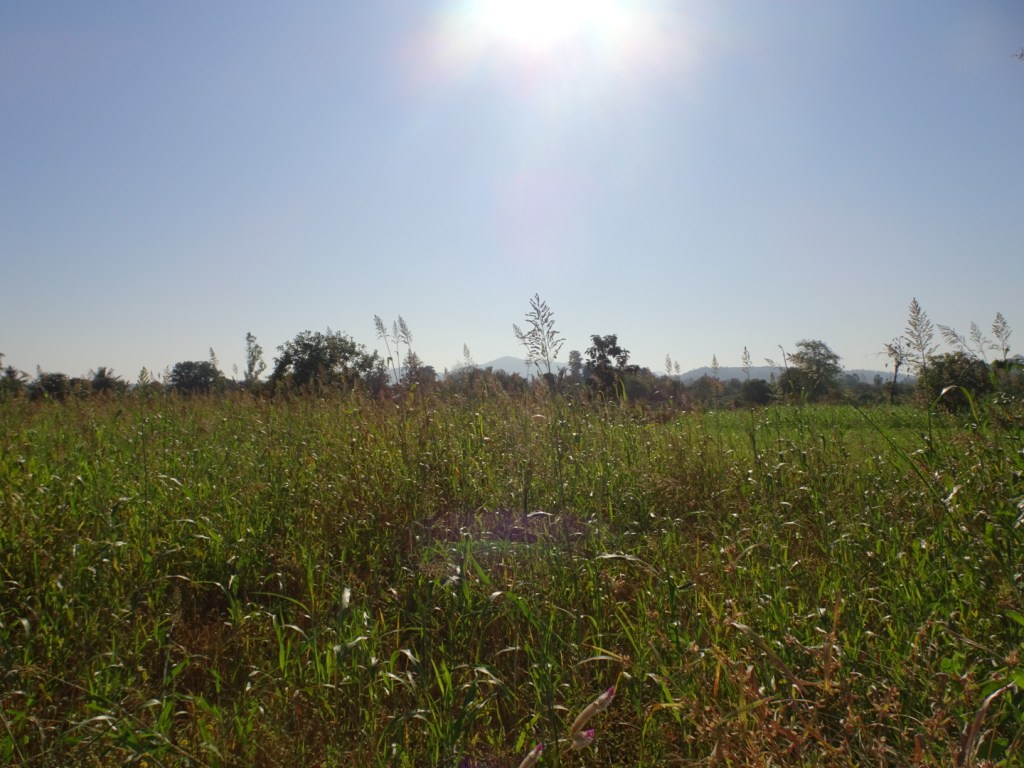


The trip directly connects to SDG 11 (Sustainable Cities and Communities) by exposing urban-rural divides and showcasing how rural lifestyles prioritize community resilience over material excess. It also supports SDG 4 (Quality Education) through hands-on learning from villagers about traditional skills like Warli painting and bamboo crafting, which foster intergenerational knowledge transfer. Additionally, SDG 13 (Climate Action) emerges from environmental explorations revealing villagers’ dependence on natural cycles, water conservation, and low-impact farming practices that model sustainable living amid climate challenges.
Final Takeaway


Through this rural immersion experience, I developed several IB Learner Profile attributes, particularly open-mindedness, caring, reflectiveness, principled thinking, and risk-taking. Living closely with a rural community allowed me to appreciate perspectives different from my own, deepen my empathy, and reflect critically on my privileges, choices, and values. I also learned to step outside my comfort zone and respond ethically and responsibly to unfamiliar situations. This CAS experience connects with my academic subjects through themes of sustainability, social inequality, environmental awareness, and human impact, which are explored in subjects such as sciences, humanities, and environmental studies. Observing sustainable practices and resource management in Ambapani helped me apply theoretical concepts to real-life situations, making my learning more meaningful and grounded. The activity benefited others by supporting the village community and school through shared effort, engagement, and assistance in daily activities such as serving food, cleaning spaces, and interacting positively with children. Even small contributions helped create a sense of care, cooperation, and mutual respect between us and the community.
One of the highlights of this experience was interacting with the school children, playing games, teaching dances, and working together in daily tasks. These moments of connection made the experience emotionally impactful and memorable. My perspectives on comfort, development, and privilege were strongly challenged. I realized how many basic resources I take for granted and how resilience and contentment can exist even in the absence of material abundance. This shift in perspective has made me more conscious and grateful. The learning from this experience can help my community by encouraging me to spread awareness about sustainable living, responsible resource use, and social inequality. I can apply these lessons by making more conscious lifestyle choices and encouraging others to do the same. I consider this experience a personal success, as I overcame discomfort, adapted to new environments, and grew emotionally and socially. This made me feel proud, grateful, and more confident in my ability to handle unfamiliar situations. The activity brought me a strong sense of accomplishment and enjoyment, especially through meaningful interactions and shared teamwork. I learned the value of empathy, collaboration, sustainability, and resilience.
If I were to do this activity again, I would engage more deeply with the community by initiating longer-term activities and spending more time listening to their stories and perspectives. I plan to apply the learning from this experience throughout my life by remaining socially conscious, adaptable, and empathetic, whether in academic settings, community service, or future professional roles. Moving forward, I hope to contribute further to society by participating in service initiatives focused on sustainability, education, and social equity, inspired by the lessons I learned in Ambapani.
Link to Theory of Knowledge

My choices and actions during the rural immersion experience modeled empathy, compassion, and respect by requiring me to adapt to unfamiliar living conditions, limited resources, and different cultural practices without judgment. Actively participating in daily tasks and interacting with the community helped me recognize the importance of understanding lived experiences rather than relying on assumptions. This experience allowed me to become a genuine inquirer by questioning my prior beliefs about development, comfort, and progress, and by realizing how knowledge is shaped by perspective, context, and experience rather than just textbooks.
The experience encouraged creative and critical thinking as I had to respond spontaneously to new situations, initiate activities with children, and reflect on complex issues such as inequality, sustainability, and privilege. Ethical considerations around resource use and cultural respect helped me become more principled and conscious of my actions. Additionally, the immersion involved both intellectual and physical risk-taking, challenging my beliefs and pushing me beyond my comfort zone, within a supportive environment, allowing meaningful reflection, growth, and deeper understanding.
