Introduction
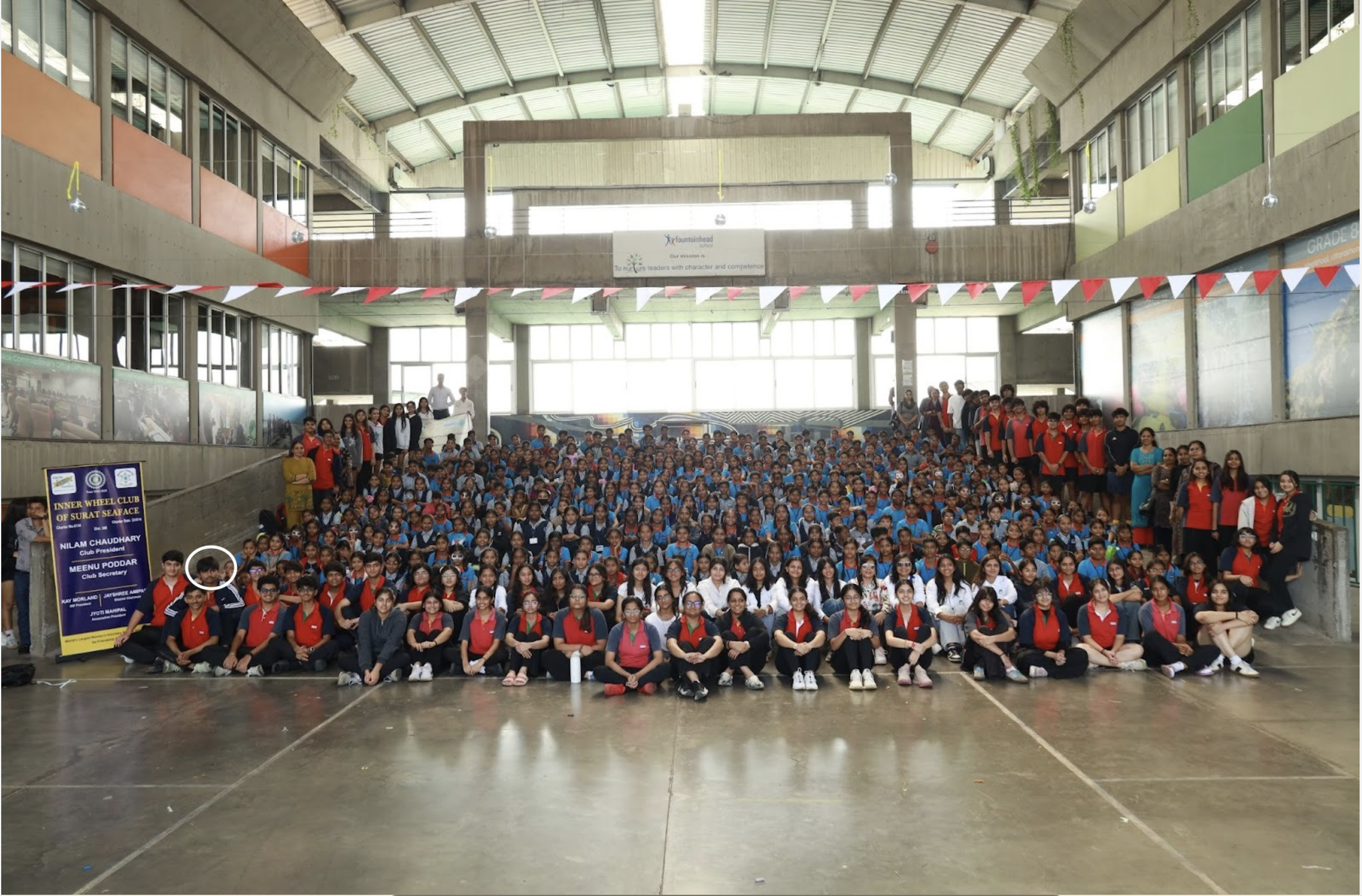
One of my most enjoyable CAS experiences was participating in a Children’s Carnival organized at my school. The purpose of this carnival was to create a fun and engaging environment where younger children could participate in games, interact with others, and experience a joyful day filled with activities. Events like these are important because they encourage creativity, social interaction, and confidence among children.
My role in this event involved two major responsibilities. First, I helped set up a game stall where children could participate in simple but exciting games. Second, I was responsible for distributing prizes to children who successfully completed the activities. Although these tasks might appear simple at first, they required careful planning, teamwork, patience, and responsibility to ensure that the event ran smoothly.
This CAS experience was meaningful for me because it allowed me to contribute positively to the community while also developing several personal and interpersonal skills. By interacting with children and working with my peers to organize the carnival, I gained valuable insights into teamwork, leadership, and the importance of creating inclusive environments for others.
LO3 – Demonstrate how to initiate and plan a CAS experience
This learning outcome focuses on the ability to take initiative and contribute to the planning of a CAS activity. In the Children’s Carnival, I actively participated in setting up the game stall and organizing the materials required for the activity. Before the event started, I helped arrange the stall area, prepare the equipment needed for the game, and organize the prizes that would later be distributed to the children.
Planning was an essential part of ensuring that the stall functioned smoothly during the carnival. I had to think about how the game would work, how children would participate, and how prizes would be given fairly. This required careful organization and attention to detail. Through this experience, I learned that successful events depend heavily on preparation and planning. By taking part in these preparations, I was able to develop important skills such as organization, responsibility, and time management.
Additionally, this process helped me understand the importance of anticipating potential problems before the event begins. For example, we needed to ensure that there were enough prizes and that the stall layout allowed children to participate safely and comfortably. This experience strengthened my ability to initiate and plan activities effectively.
LO4 – Show commitment and perseverance in CAS experiences
This learning outcome focuses on dedication and the ability to remain engaged throughout the activity. During the Children’s Carnival, I remained actively involved from the beginning until the end of the event. My responsibilities included managing the stall, guiding children on how to participate in the game, and distributing prizes.
At times, the stall became very crowded because many children were excited to participate in the activity. Managing a large group required patience and persistence. Even when the environment became busy and challenging, I remained committed to ensuring that every child had the opportunity to participate and enjoy the game.
This experience helped me develop perseverance because I had to stay focused and responsible throughout the event. Instead of becoming overwhelmed, I learned to manage the situation calmly and efficiently. By maintaining a positive attitude and continuing to support the children, I was able to ensure that the activity remained enjoyable for everyone involved.
Through this experience, I understood that commitment is essential in service activities. When organizing events that involve many participants, dedication and patience are necessary to ensure success.
LO5 – Demonstrate the skills and recognize the benefits of working collaboratively
The Children’s Carnival was not an activity that could be managed by one person alone. It required cooperation and teamwork among many students who were responsible for different stalls and activities. Throughout the event, I worked closely with other students to ensure that the carnival operated smoothly.
For example, if one stall became overcrowded, we communicated with each other and helped redirect children to other activities so that everyone could participate comfortably. This collaboration helped maintain order and ensured that the event remained organized and enjoyable.
Working with others also allowed us to share responsibilities and support each other when challenges occurred. I learned that teamwork improves efficiency and allows individuals to combine their skills to achieve a common goal. Each student contributed their strengths, which helped make the carnival successful.
Through this experience, I developed stronger collaboration skills and realized how important communication and cooperation are when working as part of a team.
LO6 – Demonstrate engagement with issues of global significance
Although the Children’s Carnival was mainly designed as a fun event, it also connected to broader global values such as inclusivity, equality, and the importance of providing positive environments for children. Around the world, access to recreational and educational opportunities is not always equal. Activities like this carnival help promote the idea that every child deserves opportunities to learn, play, and develop social skills.
During the carnival, every child who attended was given the chance to participate in the games and receive prizes. There was no discrimination or exclusion based on ability, background, or skill level. This created an environment where all children felt welcomed and valued.
By contributing to this event, I was indirectly supporting the idea of equal opportunities and inclusive participation. Experiences like these remind us that community activities can play an important role in promoting positive social values and supporting children’s development.
LO7 – Recognize and consider the ethics of choices and actions
Ethical responsibility was an important aspect of managing the stall and distributing prizes during the carnival. Since many children were participating, it was important to ensure that the process remained fair and transparent.
While distributing prizes, I made sure that every child who successfully completed the game received their reward according to the rules. I avoided favoritism and ensured that each participant was treated equally. Maintaining fairness was essential to ensure that the children trusted the activity and felt respected.
Another ethical consideration was safety. Because the event involved many young participants, it was important to ensure that the stall was safe and that children were supervised while playing the games. By being attentive and responsible, I helped maintain a safe and positive environment for everyone.
This experience helped me understand that ethical decision-making is important even in simple activities. Fairness, honesty, and responsibility are key values that should guide our actions, especially when we are responsible for others.
Conclusion
In conclusion, participating in the Children’s Carnival was an enriching CAS experience that allowed me to contribute to the community while developing important life skills. Through planning, teamwork, and active participation, I was able to help create a fun and inclusive environment for younger children.
The experience helped me demonstrate several CAS learning outcomes, including planning activities, showing commitment, collaborating with others, engaging with broader social values, and acting ethically. Most importantly, it reinforced the idea that service activities, even small ones, can make a meaningful difference in the lives of others.