Type of CAS: Creativity Location: Agrasen School, Citylight
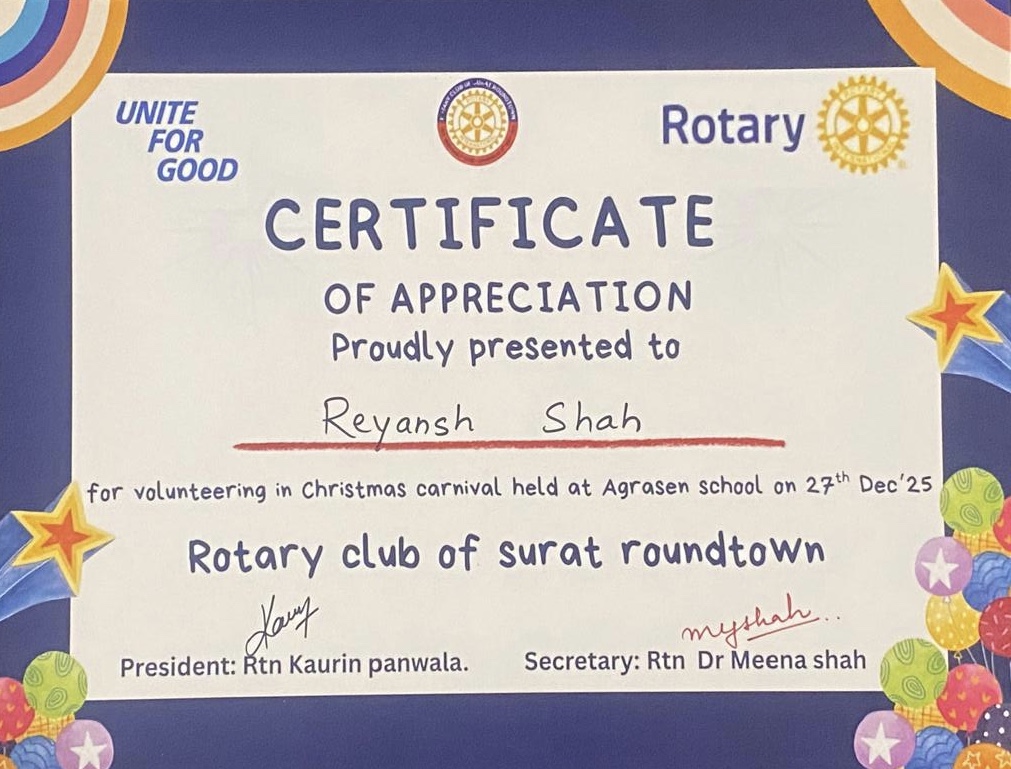
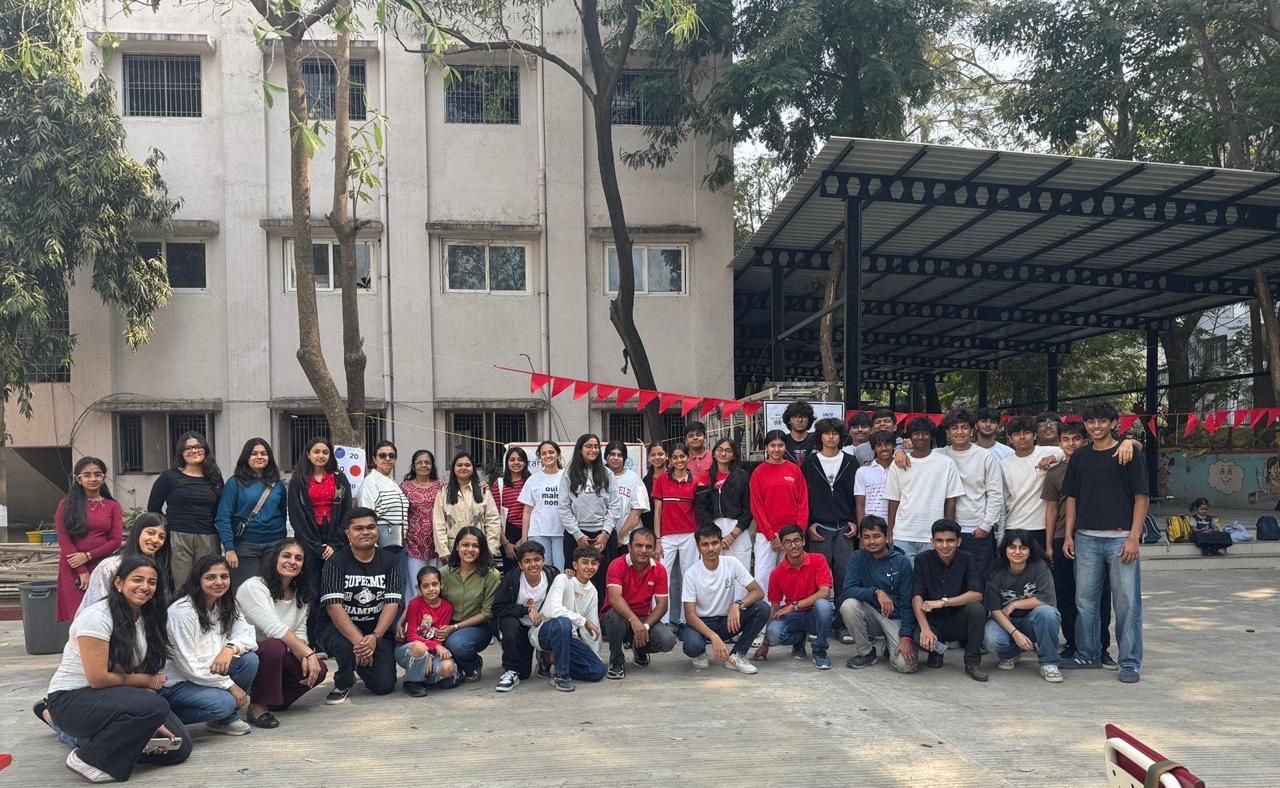
The Christmas Carnival was organized on Saturday, 27th December, for government school children. This festive season, the celebration embraced not only joy and cheer but also the invaluable gift of learning and the true spirit of giving. Through engaging games and thoughtfully designed literacy activities, the carnival sought to introduce children to reading, self-expression, and foundational learning skills within a fun, inclusive, and welcoming environment. The event was organized by the Interact Club in collaboration with Rotary Downtown. Through this experience, I successfully addressed all the CAS Learning Outcomes, each of which is explained in detail below.
Learning Outcome 1(LO1): Identify own strengths and develop areas for growth
This experience allowed me to recognize my strengths in communication, adaptability, flexibility, time management, and creativity while working in a dynamic and challenging environment. Managing and coordinating a large group of government school children was initially overwhelming, as some were reluctant to participate and others caused disruptions, which tested my patience and resilience. To ensure inclusivity and effective engagement, we simplified complex ideas into smaller, understandable segments and improvised activities according to the children’s physical abilities, replacing difficult exercises with more suitable alternatives. Through this process, I also identified areas for growth, particularly in crowd management and advance planning with differentiated difficulty levels, which will help me ensure smoother execution and deeper learning in future CAS experiences.
Learning Outcome 2(LO2): Demonstrate that challenges have been undertaken, developing new skills in the process.
This CAS experience presented several challenges that allowed me to develop new skills throughout its planning and execution. Designing a game that effectively conveyed the importance of physical activity and well-being, while remaining engaging, simple, and suitable for government school children, required significant creative and critical thinking. Translating this purpose into interactive physical exercises was challenging, as the activities needed to be both enjoyable and developmentally appropriate. During the event, I continuously adapted by introducing backup plans, adding new exercises, and improvising reward mechanisms through a token-based point system that reflected effort and performance. I also modified rules by adjusting difficulty levels, adding timers if needed in case, and clarifying instructions again and again to maintain structure and engagement. Managing disruptions and varied skill levels further enhanced my facilitation abilities. These challenges enabled me to develop leadership, adaptability, problem-solving, communication, and organizational skills, demonstrating my willingness to embrace challenges and grow through the experience.
Learning Outcome 4(LO4): Showing commitment to and perseverance in CAS experiences
During the Christmas Carnival event, I consistently remained dedicated throughout the planning and execution of the Physical Health Game. From finalizing the game concept and designing the coloured token system to preparing resources collaboratively with my peers, I demonstrated sustained commitment to achieving our goal of promoting physical health and empowerment. Managing large groups of children was often overwhelming, particularly when they became restless or disruptive; however, I maintained patience, adaptability, and focus. Even during moments of chaos, I continued to guide participants, motivate my peers, and implement backup strategies when necessary. My resilience and consistent effort ensured the smooth flow of the activity and effective delivery of our message on physical fitness. This experience highlighted how perseverance and teamwork were crucial in overcoming challenges and sustaining an engaging and meaningful CAS activity.
Learning Outcome 5(LO5): Demonstrate the skills and recognize the benefits of working collaboratively
This physical health game strongly emphasized the importance of effective cooperation and shared responsibility in ensuring the Physical Health Game was executed successfully. I took responsibility for planning and finalizing the game concept, while one team member managed resources and another communicated instructions to the children during the event. We distributed tasks equitably and frequently rotated roles to support one another, which enhanced our communication, leadership, and adaptability. This collaborative approach ensured that the activity remained safe, engaging, and educational for all participants. Through this experience, I learned that teamwork and mutual support significantly improve the efficiency, enjoyment, and overall impact of community service initiatives.
Learning Outcome 6(LO6): Demonstrate engagement with issues of global significance
This engagement strongly reflects an alignment with Sustainable Development Goal 3: Good Health and Well-Being. In a modern world increasingly dominated by technology and excessive screen time, declining physical fitness and well-being among children has become a critical global concern, particularly for underprivileged communities. By designing and facilitating inclusive physical activities using simple yet fundamental exercises at the Christmas Carnival, I actively contributed to promoting healthier lifestyles among government school children. These activities not only supported physical strength and overall well-being but also encouraged confidence, participation, and social empowerment. Through creative planning and meaningful interaction with the students, I gained deeper insight into the challenges they face daily, allowing me to empathize with their realities. This experience enhanced my global awareness and reinforced the importance of addressing health inequalities through accessible, community-based initiatives.
Learning Outcome 7(LO7): Recognize and consider the ethics of choices and actions
This experience provided strong evidence of my commitment to fairness, equality, and transparency in my actions and decision-making. While teaching government school students basic physical exercises through multiple guided trials, I actively encouraged collaboration and mutual respect among participants from the same school. I made a conscious effort to treat each student equally, valuing their participation and opinions without bias or favoritism. This was especially important when distributing coloured tokens worth 20, 50, or 80 points, as I ensured that students performing the same exercises received equal points, with higher points awarded only for clearly defined advanced activities. By maintaining consistent criteria and transparent decision-making, I upheld ethical responsibility and trust. Providing equal opportunities and empowering students to participate confidently reinforced my understanding of ethical leadership, making this experience a meaningful and enriching part of my CAS journey.
Conclusion:
In conclusion, this CAS experience was a meaningful and joyful journey that emphasized the importance of physical strength, fitness, and overall well-being. Through the Physical Health Game, we engaged government school children in fun, interactive activities that encouraged teamwork and healthy lifestyle choices. Their enthusiasm and active participation highlighted the impact of experiential learning in promoting positive habits. This experience contributed greatly to my personal growth by enhancing my leadership, communication, and collaboration skills. I am grateful for the opportunity to inspire young learners and believe that through collective effort and strong partnerships, we can promote healthier lifestyles and work toward a stronger, more balanced future.