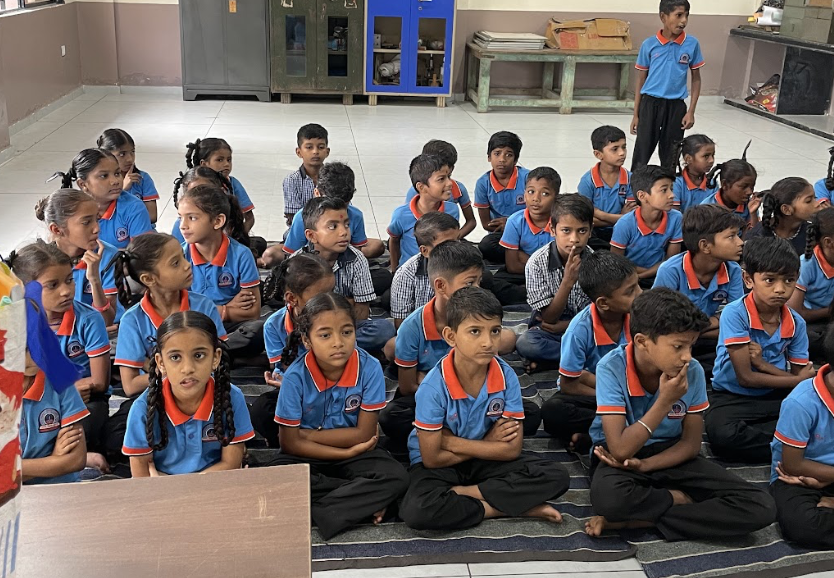
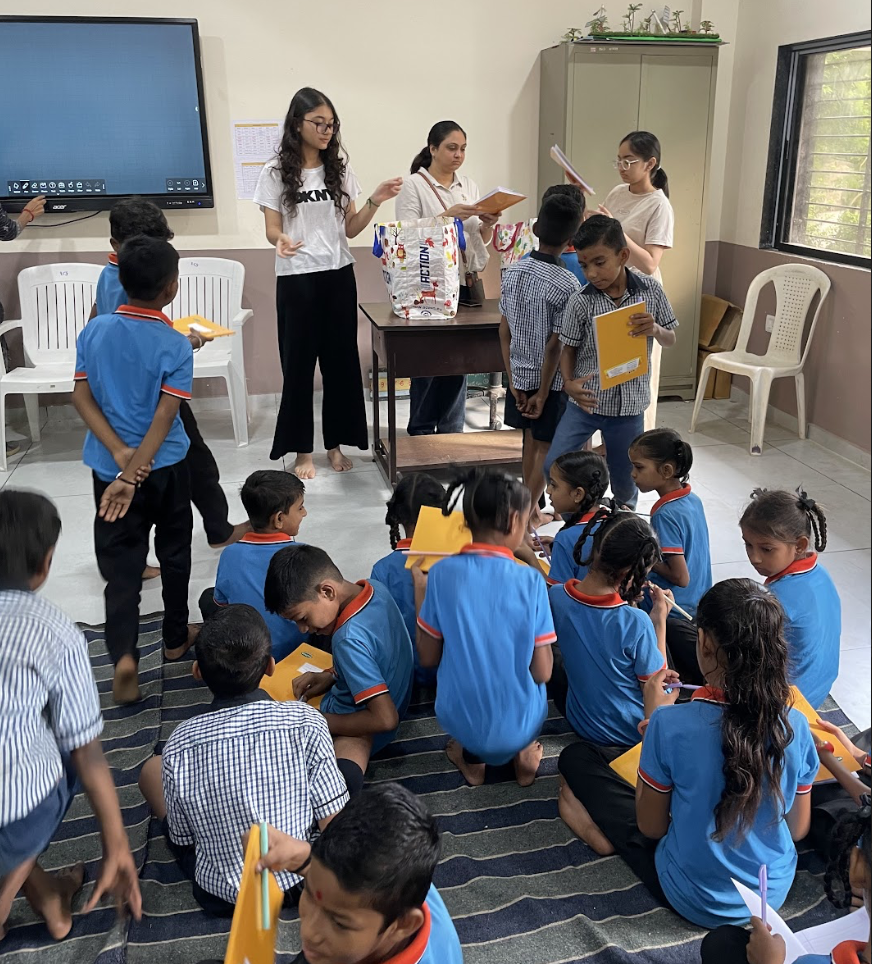
For my CAS project, a team of three others and I organized a donation drive with the goal of gathering and distributing essential goods such as clothing, food, books, stationery, and hygiene products to families and children in need. We aimed to involve students from Grades 3 to 7 to encourage their contributions, and reached out to parents through group chats to widen our outreach. Donations of clothing were collected directly from both the school and parents, while funds were raised through a bake sale to purchase stationery, hygiene products, and food items. This initiative fostered collaboration, leadership, and social responsibility while encouraging a culture of generosity and reuse.
Our project team comprised four members, and we allocated tasks by forming two pairs. Each pair took charge of four donation visits, leading to a total of eight donations completed in September, in addition to the bake sale held in August. This approach enabled us to divide responsibilities effectively, work efficiently, and ensure that all families and schools received the essential items they needed.
Learning outcomes:
LO1 – Identify own strengths and develop areas for growth
Through this project, I realized my strengths in planning, organizing, and encouraging others. Working with team members, parents, and students showed me that I can take the lead and help others finish tasks effectively. I also found that I am good at problem-solving. For example, I figured out how to organize donations and schedule visits to make sure every family and school received items on time. At the same time, I recognized areas where I could improve. For instance, I needed to work on my time management, especially when balancing various responsibilities like preparing for the bake sale, coordinating donation visits, and sorting items. I also want to be more confident in public speaking, like making announcements or explaining the purpose of the drive to my peers and parents. Reflecting on these strengths and weaknesses has helped me plan my tasks better and contributed to my personal growth.
LO2 – Demonstrate that challenges have been undertaken, developing new skills
This initiative presented many challenges. Coordinating contributions from students in Grades 3 to 7, reaching out to parents, gathering clothing from both the school and homes, and fundraising through a bake sale required careful organization and determination. Each pair in our team of four had to complete four donation visits, which needed scheduling, communication with recipients, and ensuring that all contributions were collected, sorted, and packed properly. Throughout these challenges, I gained a variety of new skills. I developed teamwork skills by dividing responsibilities and helping my partner during the visits. I improved my project management skills by organizing the logistics of collection, fundraising, and distribution. I also sharpened my problem-solving skills by finding the best ways to present and manage the donations. Additionally, I enhanced my communication skills while coordinating with my team and explaining the project to students and parents. This experience pushed me to step outside my comfort zone and helped me gain practical skills in planning and carrying out a community project.
LO3 – Demonstrate how to initiate and plan a CAS experience
Participating in this project gave me hands-on experience in starting, organizing, and carrying out a CAS project. From the beginning, I helped set donation goals, figure out the collection process, and plan the bake sale. While we had a concept for the project, we were unsure about how to carry it out effectively, from coordinating collections to distributing the items. In the end, through brainstorming, assigning tasks, and working together as a team, we created systems for collecting, sorting, packing, and delivering donations to ensure they reached both disadvantaged families and government schools. The planning phase also involved working with school authorities and talking to parents. This helped me understand the importance of getting approvals, keeping stakeholders informed, and maintaining organized systems. I learned that having a good idea is just the starting point. Careful planning and problem-solving during execution are equally important for successfully carrying out a project with many participants and activities.
LO4 – Show commitment and perseverance in CAS experiences
The donation drive demanded steady effort over a period of several weeks. Our group of four operated in pairs, with each pair tasked with completing four donation visits, and we also organized a bake sale in August to generate funds. Fulfilling these responsibilities required determination, particularly during hectic school weeks and long hours spent on collecting, sorting, and packing items. Despite challenges like tight schedules, I remained committed to completing my assignments and ensuring that all donations were correctly collected and delivered. This experience emphasized the significance of commitment, follow-through, and responsibility, demonstrating that CAS is about consistently seeing a project to its conclusion, rather than merely starting it.
LO5 – Demonstrate the skills and recognize the benefits of working collaboratively
Teamwork was essential for this project. Collaborating with a group of four taught me how to assign tasks, support my teammates, and coordinate activities effectively. By pairing up, we were able to handle multiple donation visits simultaneously and assist each other as needed. Through collaboration, I also realized the significance of clear communication, adaptability, and collective effort, as each team member brought unique ideas and skills—from reaching out to parents and students to organizing the bake sale and managing distributions. For the bake sale, we enlisted extra volunteers, which enabled us to operate it more efficiently and achieve our fundraising targets. Joining forces allowed us to boost participation, streamline task management, and make a greater impact within the community.
LO6 – Demonstrate engagement with issues of global significance
This project helped me engage with issues like poverty, inequality, and access to education. Many of the families and government schools we supported lacked essential items such as stationery, hygiene products, books, and food. By collecting and distributing these items, we helped improve the daily lives of these communities.
The project also promoted sustainable practices, as we encouraged the reuse of gently-used clothes and items. This experience made me reflect on how small community actions can contribute to larger global goals, such as social responsibility, equality, and sustainable consumption.
LO7 – Recognize and consider the ethics of choices and actions
During the project, we ensured that all donated items were in good condition, safe, and appropriate for the families and schools we were assisting. We thoroughly examined our target audience to comprehend their actual needs, which helped us be more thoughtful in how we distributed the items. For instance, sanitary pads were provided only to a particular age group of girls at the school, as we recognized they were the ones who required them the most.This experience showed me how important ethical decision-making is—not just in what you give, but in how you plan, organize, and manage everything. Being honest about the items, careful with the funds from the bake sale, and considerate in delivery made me more aware of the responsibilities involved in meaningful community work.
Reflection
Participating in this donation drive was a rewarding experience. It was not just about collecting items or raising money; it was about truly understanding what people need and making a positive difference in their lives. Working in a team of four and splitting tasks into pairs taught me important lessons about teamwork, shared responsibility, and leadership. I also learned a lot about myself. I realized that I can take the initiative, plan well, and stay committed, even when things get tough. Organizing donations, managing the bake sale, and ensuring fair distribution pushed me to be organized, thoughtful, and ethical throughout the process. Seeing the joy on the faces of the families and students we helped made all the hard work worth it. This project showed that even small actions, when done with care, can greatly impact the community. It inspired me to continue participating in projects that promote empathy, social responsibility, and real change.