LO1: Identify own strengths and develop areas for growth
One of the main strengths I recognised during the trip was my ability to adapt to unfamiliar situations. Although adjusting to a different environment was challenging at first, I gradually became more comfortable with the changes in routine and the demands of the experience. I also realised that I could remain involved and contribute to the group even when I felt tired or uncertain.
However, the trip also highlighted areas where I could improve. I sometimes found it difficult to adjust immediately when things did not go as expected, particularly when I was physically tired or outside my comfort zone. Through this experience, I learned to approach these situations with a more positive attitude rather than focusing on the discomfort. I also realised that being open to new experiences makes it easier to enjoy the moment instead of worrying about what might go wrong. This helped me become more flexible and willing to take on challenges.
LO2: Demonstrate that challenges have been undertaken, developing new skills in the process
The trip involved stepping away from the comfort and predictability of my everyday routine. Some activities were physically demanding, and adapting to unfamiliar surroundings required patience and a willingness to try things that I would not normally experience. At times, the challenges made the experience tiring, but they also made it more exciting and memorable.
Through these experiences, I developed greater patience, adaptability, and problem-solving skills. I learned to approach unfamiliar situations without expecting everything to be easy and to make the most of the experience even when things became difficult. The trip also taught me that challenging experiences can be enjoyable when approached with an open mind. Some of the most rewarding moments came from overcoming difficulties alongside my peers, which made the experience feel less like an obligation and more like an adventure.

LO3: Demonstrate how to initiate and plan a CAS experience
Although the immersion was organised as a group experience, participating in it required preparation, responsibility, and a willingness to engage actively in the planned activities. I had to prepare for an environment that was different from my usual surroundings and remain open to a schedule that could be more demanding than my everyday routine.
One important lesson I learned was that even when an experience is planned in advance, it does not always unfold exactly as expected. Adjusting to different conditions and managing the challenges that arose required flexibility. I also learned the importance of being prepared while remaining open to unexpected opportunities. The trip helped me understand that planning is important, but being able to adapt is equally necessary. It also showed me that a well-planned experience can still be unpredictable, and sometimes those unexpected moments become the most enjoyable parts of the trip.
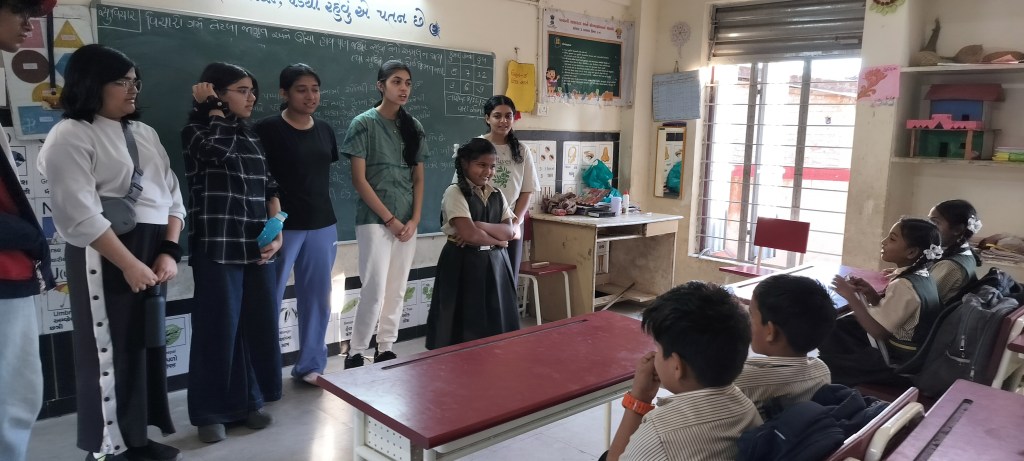
LO4: Show commitment to and perseverance in CAS experiences
The Rural Immersion trip required me to remain committed even when I felt tired or found certain aspects of the experience difficult. Being away from my usual routine meant that I could not always rely on the same comforts and conveniences I was accustomed to. There were moments when the activities felt demanding, but I continued to participate and make the most of the experience.
What made this experience particularly valuable was learning that perseverance does not mean that every part of an activity has to be enjoyable. Instead, it means continuing to participate and maintaining a positive attitude even when things become challenging. The fun moments shared with my peers helped make the more difficult parts manageable and gave me something to look forward to. By the end of the trip, I realised that some of the most satisfying experiences come from pushing through initial discomfort and appreciating what the experience has to offer.
LO5: Demonstrate the skills and recognise the benefits of working collaboratively
Working with my peers was an important part of the immersion experience. Participating in activities together meant that we had to communicate, cooperate, and support one another, especially when tasks became challenging. Sharing the experience with others made it easier to overcome difficulties and created opportunities to build stronger connections with my classmates.
I also learned that teamwork is particularly important when everyone is adjusting to an unfamiliar environment. Different people respond to challenges differently, and being patient and understanding helped us work together more effectively. Beyond completing activities, collaborating with my peers made the trip more enjoyable. Sharing funny moments, helping one another through difficult situations, and creating memories together became some of the most rewarding aspects of the experience. I realised that collaboration is not only about achieving a common goal but also about making the experience better for everyone involved.

LO6: Demonstrate engagement with issues of global significance
The trip gave me an opportunity to engage with aspects of rural life that are often discussed in classrooms but can be difficult to fully understand without experiencing a different environment firsthand. It encouraged me to think more carefully about issues such as access to resources, education, economic opportunities, and sustainable development.
At the same time, the experience challenged me to look beyond the difficulties associated with rural communities. It is easy to form assumptions about a place based on what we have heard or learned, but the immersion reminded me that every community has its own strengths, traditions, knowledge, and ways of life. Experiencing a different environment helped me appreciate that there is value in learning from people whose daily experiences differ from my own. It also made me reflect on how privilege can influence the way I perceive challenges and comforts. Overall, the trip encouraged me to approach social issues with greater curiosity and to recognise the importance of understanding communities through their experiences rather than through assumptions.
LO7: Recognise and consider the ethics of choices and actions
Throughout the trip, I became more aware of the importance of being respectful when entering an unfamiliar community. Experiencing a different way of life reminded me that what feels unfamiliar or challenging to me may simply be part of someone else’s everyday routine. This encouraged me to be more mindful of how I interpreted differences and to avoid making assumptions based on my own experiences.
I also realised that a rural immersion should involve more than simply visiting a place and enjoying a different environment. It is important to recognise that the community is made up of individuals with their own perspectives, experiences, and priorities. Approaching interactions with respect, listening carefully, and remaining open to learning are essential parts of engaging meaningfully with others. The experience helped me understand that being a responsible participant means appreciating the opportunity to learn without treating another community’s way of life as something to judge or compare with my own.

Conclusion
The Rural Immersion trip to Padamdungri was an experience that was both challenging and genuinely enjoyable. Although adjusting to unfamiliar surroundings and managing the demands of the trip were not always easy, these difficulties became an important part of what made the experience meaningful. I learned to be more adaptable, patient, and open to situations outside my comfort zone. At the same time, spending time with my peers, working together, and sharing memorable moments made the trip fun and rewarding. Most importantly, the experience taught me that personal growth does not always come from comfortable or predictable situations. Sometimes, it comes from embracing challenges, finding enjoyment in the unexpected, and being willing to learn from people and environments that are different from our own. I returned from Padamdungri with a greater appreciation for new experiences, stronger connections with my peers, and a better understanding of the value of stepping outside my usual routine.