Stepping into Ambapani was like entering a different rhythm of life shaped by nature, community, and simplicity. Moving away from urban comforts pushed me to engage more mindfully with my surroundings and the people around me. Through hands-on activities and meaningful interactions, this rural immersion experience allowed me to address all seven CAS Learning Outcomes while developing greater self-awareness and social responsibility.
LO1: Identify own strengths and develop areas for growth
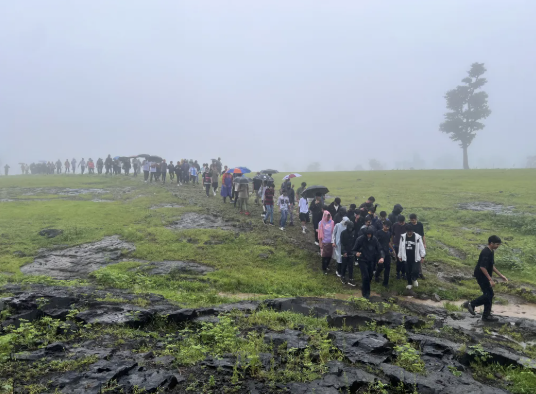
Living in a rural environment helped me recognize my adaptability and openness to learning. Adjusting to simple living conditions and participating in physically engaging activities such as trekking, farming, and mud lipan made me aware of my resilience. At the same time, I identified areas for growth, particularly in patience and physical endurance, which gradually improved through continuous participation.
LO2: Demonstrate that challenges have been undertaken, developing new skills
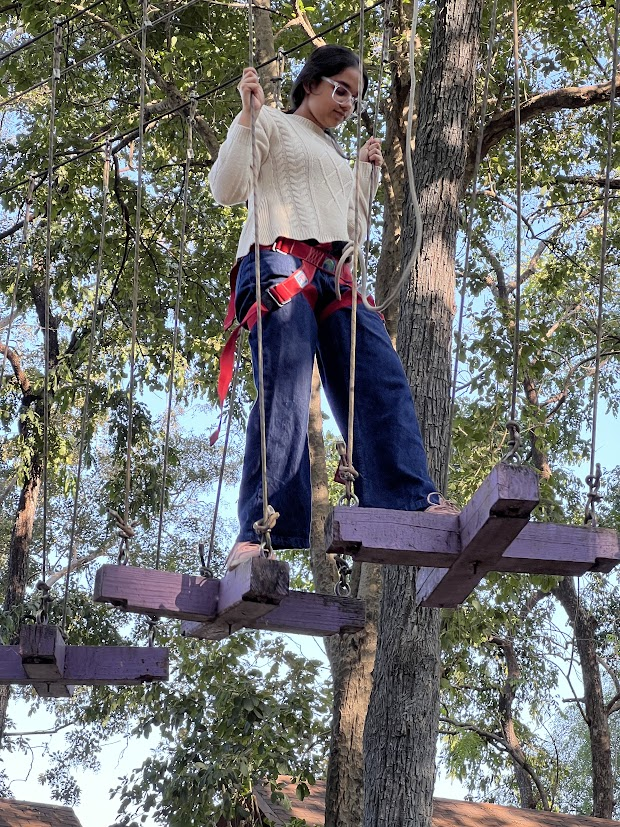
Several activities pushed me beyond my comfort zone. River bathing, adventure activities like valley crossing, and learning traditional skills such as bamboo craft and Warli painting required confidence and persistence. These challenges helped me develop new practical and creative skills while learning to stay calm and adaptable in unfamiliar situations.
LO3: Demonstrate how to initiate and plan a CAS experience
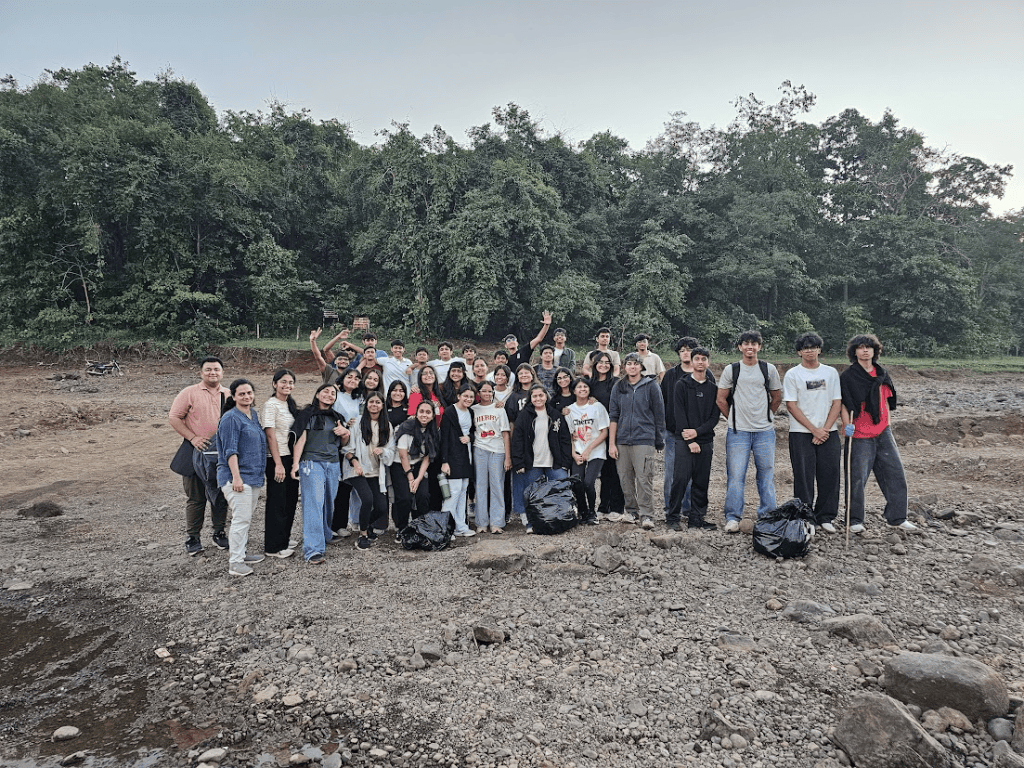
The immersion provided opportunities to engage in planned and structured activities that required initiative and responsibility. Environmental actions such as plastic collection and learning about its proper disposal through government systems highlighted the importance of planning for sustainability. Group interactions with villagers and students also required organization and thoughtful communication.
LO4: Show commitment and perseverance in CAS experiences
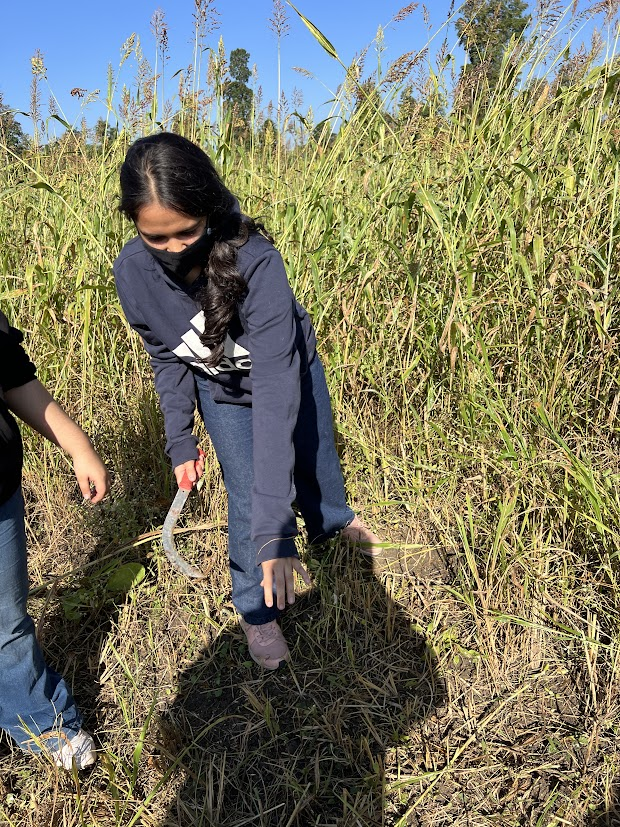
Commitment was essential throughout the immersion. Completing long-duration activities such as wall-based Warli painting, repeated mud lipan work, and consistently participating in reflection and well-being sessions tested both physical and mental endurance. Remaining engaged despite fatigue strengthened my sense of responsibility and perseverance.

LO5: Demonstrate the skills and recognize the benefits of working collaboratively
Collaboration was central to most activities. Farming, making baaj plates, bamboo products, team games, and interacting with village children emphasized the value of teamwork. Working closely with others improved my communication skills and helped me appreciate diverse perspectives and shared leadership.

LO6: Demonstrate engagement with issues of global significance
The immersion highlighted key global issues such as environmental sustainability and social equity. Observing how rivers, forests, birds, and insects support village life deepened my understanding of ecological balance. Activities related to waste management, sustainable agriculture, and dairy cooperatives connected local practices to global environmental and economic challenges.

LO7: Recognize and consider the ethics of choices and actions
Interacting with villagers and students encouraged reflection on ethical responsibility and privilege. Learning about rural education systems like the Aasaramsala and understanding economic differences between rural and urban life made me more conscious of my own choices, consumption patterns, and their impact on communities and the environment.