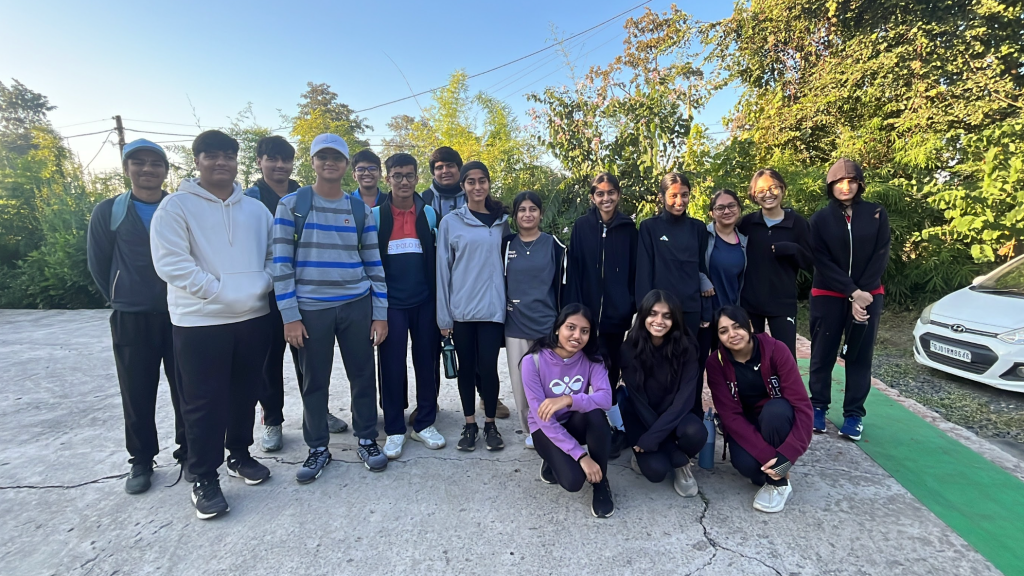
This rural immersion trip to Vansda was not just a CAS experience or a school trip, it was a period of 6 days where I learned, laughed and reflected the most. This immersion has allowed me to step out of my urban lifestyle and explore creative forms, physical activities, service and labour and collaboration in real-life contexts. It was a chance for me to get out of my comfort zone and into a community where self-reflection taught me lessons no classroom could.
LO 1: Identify own strengths and develop areas for growth.
During my first day in Vansda, I became more aware of my personal strengths and limitations as to adaptability. I realized that I had to be adaptable and open-minded, to be able to adjust to a completely new environment and be able to interact with newer people from different backgrounds. Participating in unfamiliar activities such as spending time with underprivileged children, farm labour, etc helped me recognize my ability to collaborate with my teammates to have fun throughout the activities, even if they were tiring. However, the trip’s experience also highlighted areas for growth, particularly my hesitation to take initiative in situations that required greater physical and mental resilience. This was evident in activities such as jumping from a cliff with harness, where I was scared at first, but still completed it when I realized it was a once in a lifetime opportunity to jump of a cliff. Being placed in challenging and unfamiliar conditions pushed me to reflect on my strengths and weaknesses and motivated me to work towards becoming more confident, proactive and resilient towards tasks throughout the six days.
LO 2: Demonstrate that challenges have been undertaken, developing new skills in the process
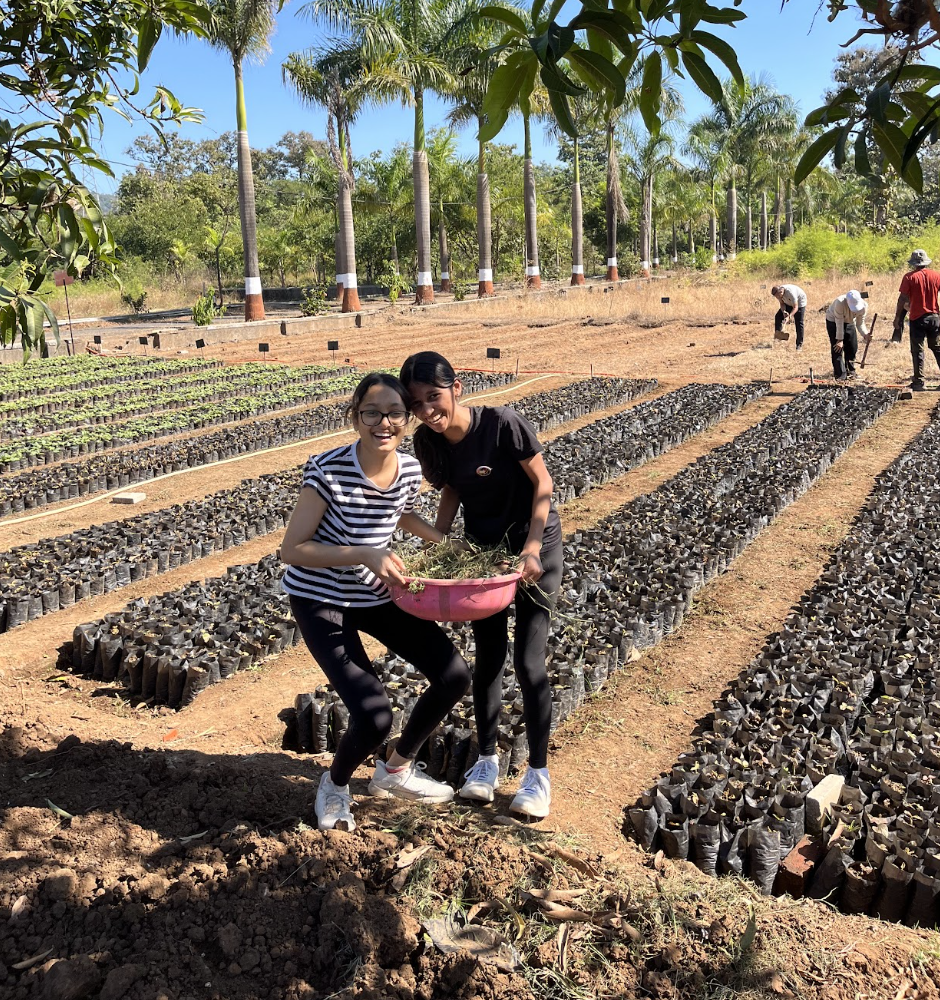
The immersion presented several challenges, both physical and emotional. Initially, the new environment and living with 6 people in a single room made me miss my own home and parent’s company. Engaging in manual labour such as farming , adapting to basic living conditions that were different from home and stepping away from daily comforts required me to push beyond my limits. Trekking to Toraniya Dungar and rock climbing pushed me physically and mentally. Working in so much heat on agricultural land was exhausting, but it helped me build resilience and appreciation for manual labor. Initially, these tasks felt demanding, but over time, I developed the ability to manage discomfort and remain positive. I learned practical skills such as working efficiently in a team, managing time in a structured schedule, and approaching problems with a solution-oriented mindset. Additionally, I developed interpersonal skills by communicating with community members and understanding their perspectives. These challenges not only strengthened my resilience but also helped me grow more independent and capable in unfamiliar situations.
LO 3: Demonstrate how to initiate and plan a CAS experience
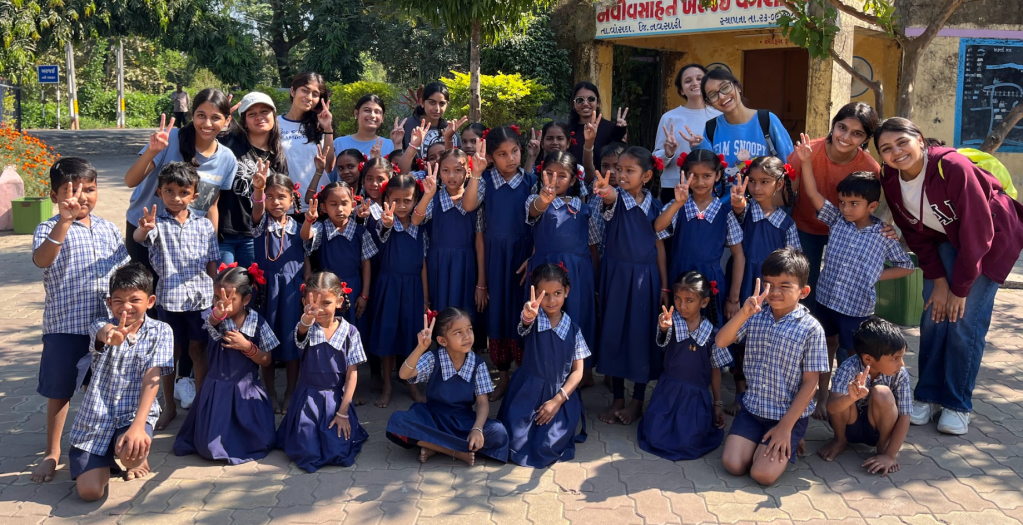
Throughout the trip, I contributed to planning and carrying out various activities. This included organizing group responsibilities for our Collaborative Sciences Project (CSP), participating in social tasks for the community, or ensuring that activities were conducted smoothly. I learned the importance of initiative and preparation in order to bring a smile on the underprivileged children’s faces. I began to understand that planning is not only about organizing tasks in advance, but also enjoying your own role in them. By taking responsibility within my group and contributing ideas, I developed a stronger sense of ownership over the experience. I suggested activities to play with the children at the school at Vansda, interacted proactively with locals when we had dinner at their houses and took up the initiative to solve problems through the CSP. This helped me recognize how effective planning and active participation can strengthen the impact and success of a CAS activity.
LO 4: Show commitment and perseverance in CAS experiences
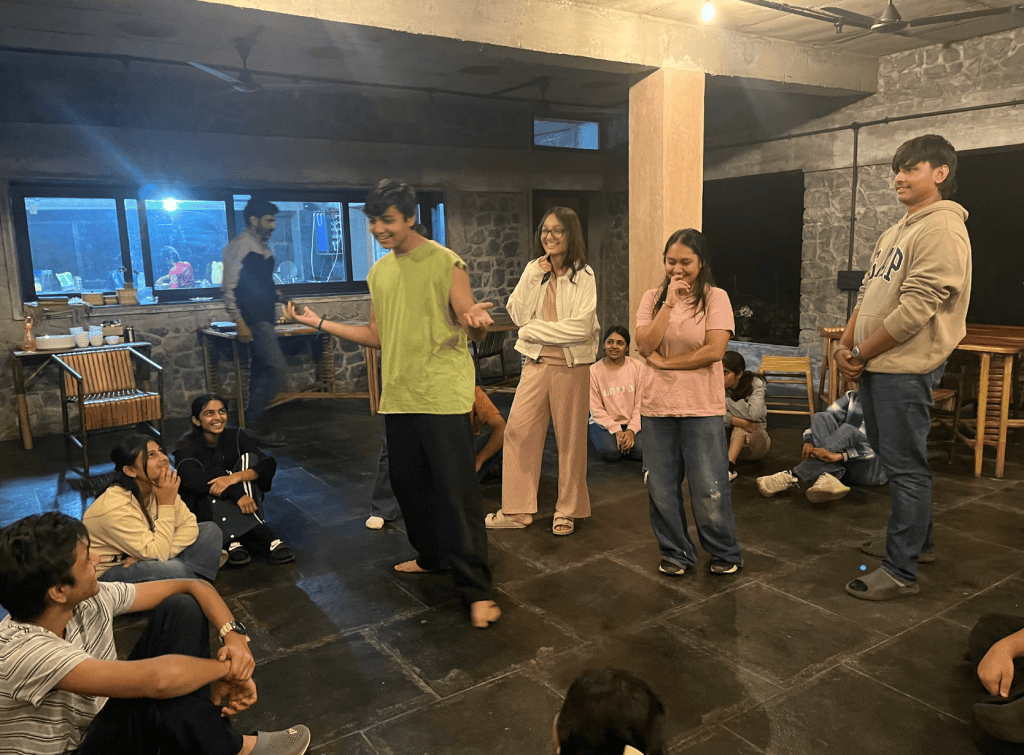
The six-day immersion required consistent effort, dedication and perseverance, but of course, fun! Despite physical tiredness at the end of the day, unfamiliar routines (waking up at 6:00 am!) and occasional discomfort from staying away from home, I remained committed to fully participating in all activities. There were moments when tasks felt exhausting and repetitive, and we felt like we hadn’t gotten enough sleep or rest. But I chose to stay engaged and give my best effort because it was fun being involved in everything. Additionally, we also prepared a drama for the underprivileged, as a “thank you for having us” event. Preparing for that required nights where we stayed up, practiced loads and put in a lot of creative thinking to present a performance about “never give up on your dreams”. This experience taught me that commitment is not just about starting an activity, but about sustaining effort even when it becomes challenging. By pushing through these moments and my discomforts, I developed a stronger sense of discipline and determination, which will help me approach similar future experiences with greater persistence and a positive mindset.
LO 5: Demonstrate the skills and recognize the benefits of working collaboratively
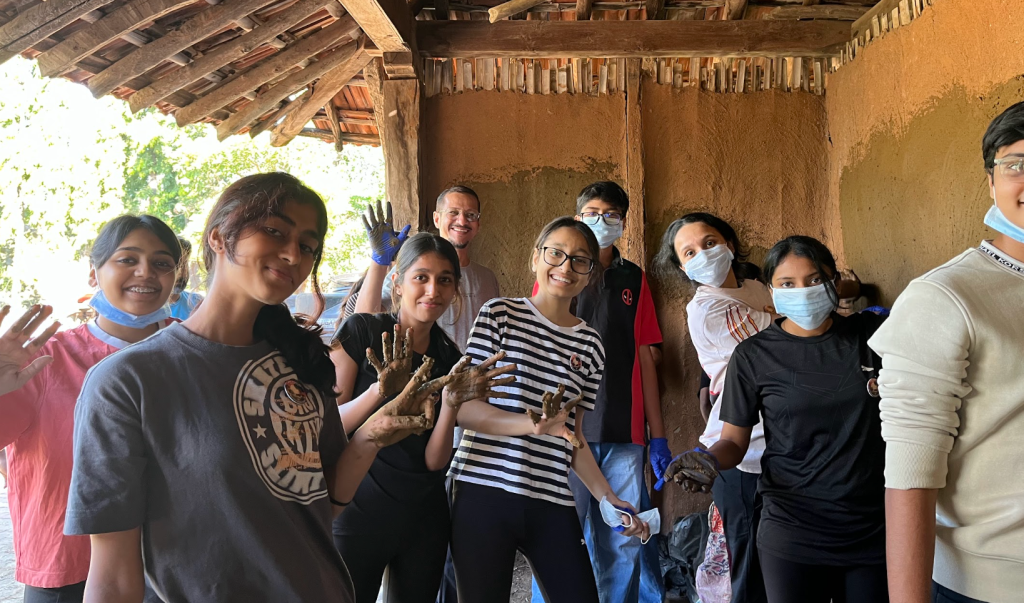
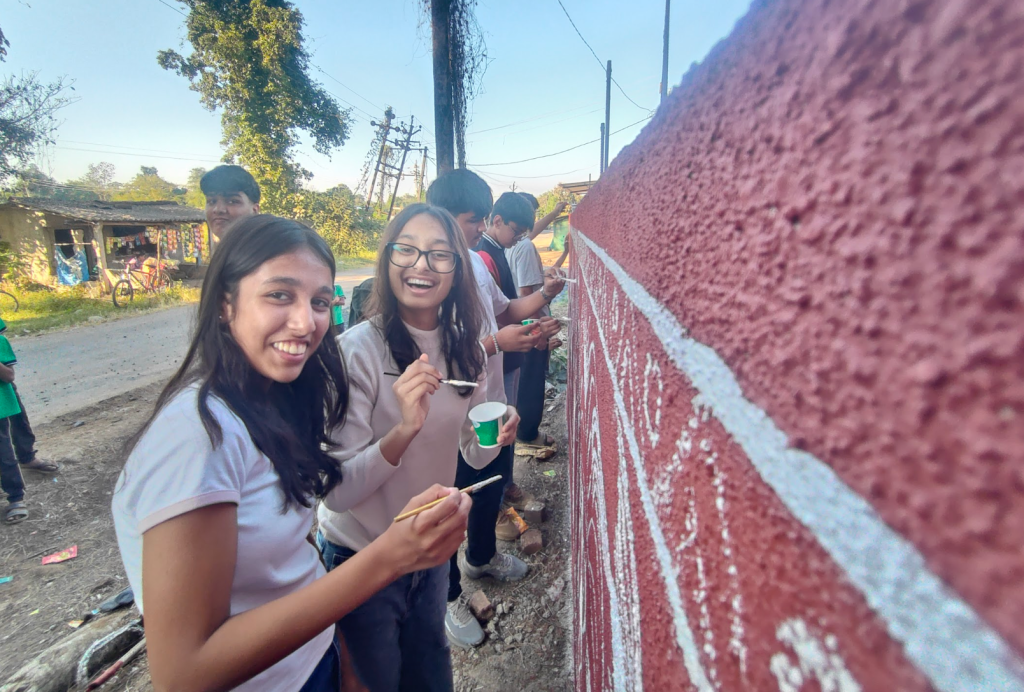
Collaboration was a key aspect of the immersion experience. Working closely with my peers and members of the local community required effective communication and mutual respect. I was mindful to respect their living conditions and their working class status, showing empathy towards all of them. I learned to listen to different perspectives, adapt to groups for all different activities and contribute in ways that supported my overall goals. Additionally, we also worked collaboratively when we did the cow dung activity. All of us thought our decisions through, but in the end we supported each other and encouraged ourselves to try the activity without the gloves. We also painted Warli Art on the school’s walls for the children in groups, which also helped me appreciate the existence of such an artform that has evolved the art industry. Through this, I realized that collaboration not only makes tasks more manageable but also leads to more meaningful and enriching experiences. The sense of unity and shared purpose strengthened our group bond and allowed us to achieve outcomes that would not have been possible individually.
LO 6: Demonstrate engagement with issues of global significance
The immersion provided direct exposure to rural life and the challenges faced by such communities. I learned so much about their limited access to resources, education and infrastructure. First-hand experiencing their working class statuses, living conditions and daily jobs helped me empathize with the community. This experience deepened my understanding of global issues such as inequality, sustainability and quality of life. Observing these realities in perspective made these issues more tangible and meaningful, rather than just theoretical concepts learned in the classroom. It encouraged me to reflect on the disparities that exist in society and the importance of contributing towards creating more sustainable communities. Eradicating this marginalization shall only improve their living conditions and job/education opportunities, one of which we solved through our CSP project (sustainable living conditions for communities in Dang). This engagement has made me more aware of my role as a global citizen and urged me to work towards a better community.
LO 7: Recognize and consider the ethics of choices and actions
Throughout the immersion, I was encouraged to reflect on the ethical implications of my actions and interactions. Being in a community different from my own made me more conscious of the importance of respect, empathy and cultural sensitivity. I was mindful about not throwing trash anywhere near sustainable areas, appreciate the nature around us and respect their local food, artifacts, dance and art. I recognized my own privilege and understood the need to approach the experience with humility rather than a sense of superiority. I made deliberate efforts to engage with people in a respectful and meaningful way during dinner at local houses, ensuring that my actions did not unintentionally reinforce stereotypes or inequalities or offend them in any way. This reflection helped me understand that ethical service is about genuine connection and respect, rather than simply completing tasks.