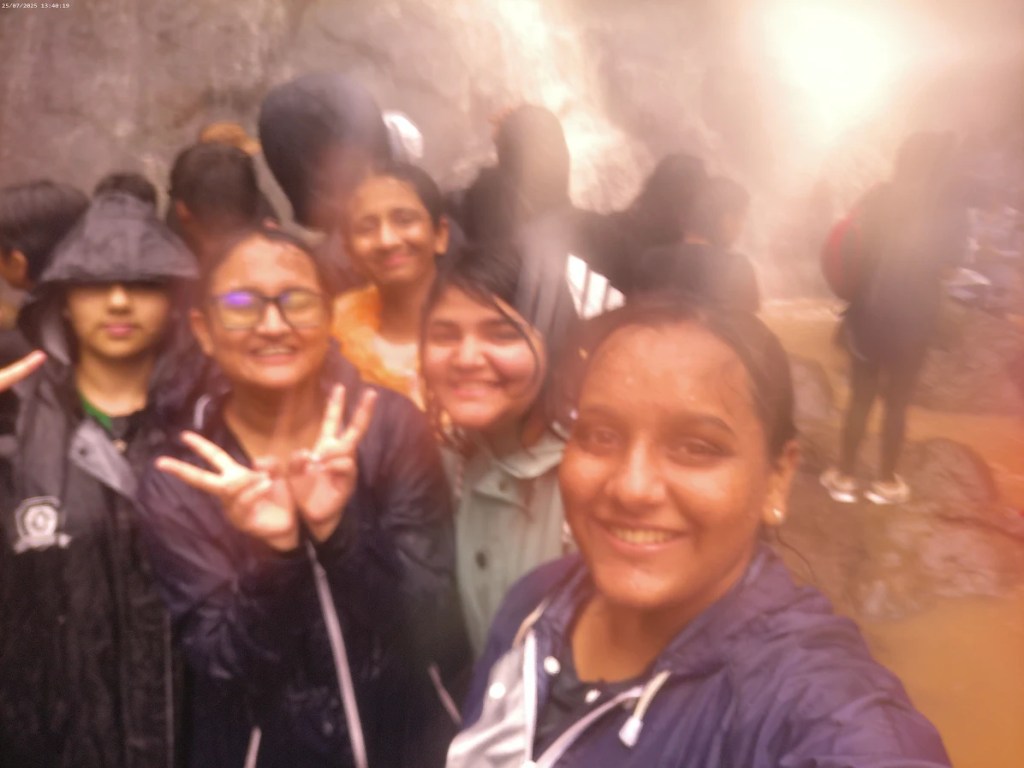
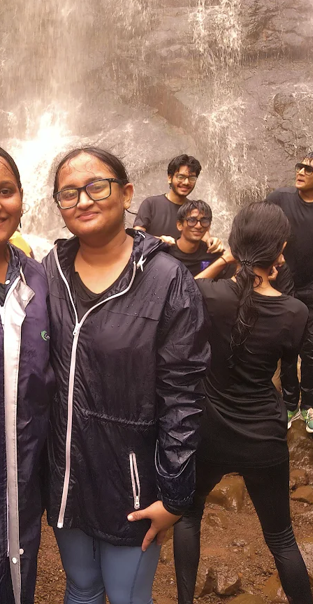
I went on a trek to the Bhavarkhada Waterfall as part of the Activity part of CAS. The goal was to test my physical limits, get to know my peers, and show that I was responsible and able to think about things. This experience tested my endurance and planning skills, and it also made me more aware of the environment, the importance of working together, and being morally responsible.
LO1: Identify own strengths and develop areas for growth
I learnt that one of my strengths is being able to change with the weather while I was hiking. I was able to change my pace and stay calm when the terrain got harder to trek. But I also noticed that I could work on my endurance, especially when hiking on steeper paths. This showed me a way to improve my physical fitness.
LO2: Demonstrate that challenges have been undertaken, developing new skills in the process
Because of the narrow paths, steep ascents, and slippery rocks, the trek was physically taxing. At first, I wasn’t sure if I could maintain my energy levels during the trip. My trekking skills, such as foot placement on uneven surfaces and effective use of breaks, have improved as a result of overcoming this challenge, and I can use these skills in other outdoor activities.
LO3: Demonstrate how to initiate and plan a CAS experience
Despite the fact that an outside group planned the trek, I took the initiative to get ready by reading up on the route and the type of weather we will be treking in, researching about the place we will be going to, bringing the necessities (water, and food), and working with my peers to make sure we had everything we needed. To make sure the experience went well, this preparation was essential.
LO4: Show commitment to and perseverance in CAS experiences
Fatigue started to set in at some points, particularly when climbing steep hills. Despite the challenge, I persisted that I wanted to finish the trek. This willingness showed the value of commitment in physically taxing endeavours.
LO5: Demonstrate the skills and recognize the benefits of working collaboratively
Working together was essential; group trekking required sharing water, assisting one another over slippery rocks, and trekign with high spirits. I discovered that, particularly in physically demanding activities, encouraging one another is crucial to reaching a group objective.
LO6: Demonstrate engagement with issues of global significance
Environmental issues were also brought to light by the walk. Parts of the trail had littering signs, which caused me to think about global issues like sustainable tourism and environmental degradation. This strengthened my resolve to follow eco-friendly, responsible habits, like returning my trash.
LO7: Recognize and consider the ethics of choices and actions
Making moral decisions was crucial while trekking. For instance, I refrained from picking plants or upsetting wildlife because it is crucial to maintain the ecosystem. Because the waterfall has local significance, I also made sure to honour the area’s cultural significance.
The Bhavarkhada Waterfall Trek was a journey of self-awareness, cooperation, and environmental responsibility including physical exercise. Since every learning objective was thoughtfully covered, this was a rewarding CAS experience that I will use to tackle challenges in the future.