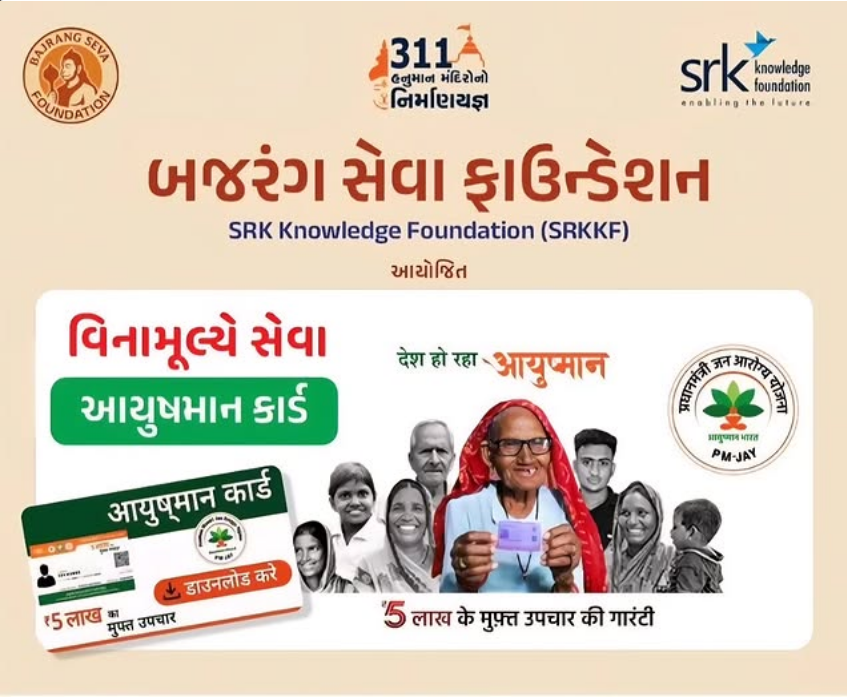
Participating in the Bajrang Seva Foundation initiative from 11 November 2025 to 25 August 2026 gave me the opportunity to contribute to the well-being of underprivileged communities in Dang. Through this experience, I worked towards helping individuals access healthcare benefits by assisting them with Ayushman cards and supporting the provision of basic medicines and essential supplies. The experience helped me understand the challenges faced by disadvantaged communities and the importance of making healthcare information and essential resources more accessible. It also encouraged me to become more socially responsible, work collaboratively, and reflect on how I could contribute positively to society.
LO1 – Identify own strengths and develop areas for growth
Through this experience, I recognised that one of my strengths is my willingness to take responsibility and contribute towards helping others. Interacting with community members helped me understand the importance of communication, patience, and empathy when working with people from different backgrounds. However, I also realised that I could improve my ability to organise tasks efficiently, communicate with greater confidence, and respond to different community needs. This experience helped me recognise the importance of continuous personal development and encouraged me to become more confident, responsible, and effective when participating in community initiatives.
LO2 – Demonstrate that challenges have been undertaken, developing new skills in the process
Working with the Bajrang Seva Foundation exposed me to the challenges involved in supporting underprivileged communities. Understanding people’s needs and helping them access available healthcare benefits required patience, clear communication, and problem-solving. Through this experience, I developed a better understanding of how to interact respectfully with individuals who may have different circumstances and levels of awareness about healthcare schemes. I also learned to approach challenges with a more practical mindset and recognise the importance of adapting my communication and actions according to the situation. These experiences helped me develop skills that I can apply in future community service activities.
LO3 – Demonstrate how to initiate and plan a CAS experience
This project helped me understand the importance of planning and organisation in a sustained community service initiative. Through the work undertaken with the Bajrang Seva Foundation, I became more aware of the need to identify community requirements and consider how available support could be provided effectively. The initiative focused on assisting individuals with Ayushman cards and helping provide basic medicines and essential supplies. Contributing to this effort showed me that meaningful service requires more than good intentions; it also requires coordination, preparation, and an understanding of the people being supported. I learned that careful planning helps ensure that community initiatives remain focused on their purpose and respond to genuine needs.
LO4 – Show commitment to and perseverance in CAS experiences
My involvement in this initiative over several months helped me develop commitment and perseverance. Participating in a long-term service experience required me to remain dedicated to its purpose while balancing my academic responsibilities and other commitments. I learned that contributing to a community initiative involves consistency and a willingness to continue working towards a goal over time. The experience also helped me appreciate that supporting communities requires sustained effort rather than a one-time contribution. Through this project, I developed a stronger sense of responsibility and recognised the importance of remaining committed to activities that aim to make a positive difference in other people’s lives.
LO5 – Demonstrate the skills and recognise the benefits of working collaboratively
Working with others through the Bajrang Seva Foundation helped me understand the value of teamwork in community service. Supporting individuals, organising efforts, and helping provide essential resources required cooperation and a shared commitment to the initiative’s purpose. I recognised that people can contribute different skills and perspectives, making collaboration important when responding to community needs. This experience also taught me the importance of listening to others, communicating clearly, and respecting different viewpoints. I realised that working collaboratively can make service activities more organised and effective while helping everyone involved develop a stronger sense of shared responsibility.
LO6 – Demonstrate engagement with issues of global significance
This experience increased my awareness of global issues such as poverty, unequal access to healthcare, and social inequality. Although the initiative focused on underprivileged communities in Dang, the challenges it addressed are relevant to disadvantaged populations around the world. I became more aware that access to healthcare information, medical support, and essential resources can influence people’s well-being and opportunities. By contributing to efforts that helped individuals access Ayushman cards and basic medicines, I gained a better understanding of how community-level initiatives can respond to wider social challenges. The experience also connected with the United Nations Sustainable Development Goals, particularly SDG 1 (No Poverty), SDG 3 (Good Health and Well-being), and SDG 10 (Reduced Inequalities).
LO7 – Recognise and consider the ethics of choices and actions
Working with underprivileged communities helped me recognise the ethical responsibilities involved in community service. I understood that individuals receiving support should always be treated with dignity, fairness, and respect, regardless of their economic circumstances. Assisting people with healthcare-related benefits also highlighted the importance of acting responsibly, communicating information carefully, and respecting people’s individual situations. I learned that service should focus on understanding the needs of the community rather than making assumptions about what people require. This experience encouraged me to consider the consequences of my actions and recognise that genuine community support must be guided by empathy, fairness, and a commitment to the well-being of others.
Overall Reflection
My experience with the Bajrang Seva Foundation helped me develop a deeper understanding of community service and social responsibility. It strengthened my awareness of the challenges faced by underprivileged communities, particularly in accessing healthcare benefits and essential resources. Through this initiative, I developed my communication, teamwork, organisation, and problem-solving skills while recognising areas in which I can continue to improve. The experience also taught me the importance of commitment, collaboration, and ethical decision-making when working with vulnerable individuals. Most importantly, I realised that meaningful community service begins with understanding people’s needs and working responsibly towards addressing them. Overall, this project encouraged me to become more caring, principled, and socially aware, and motivated me to continue contributing positively to my community.