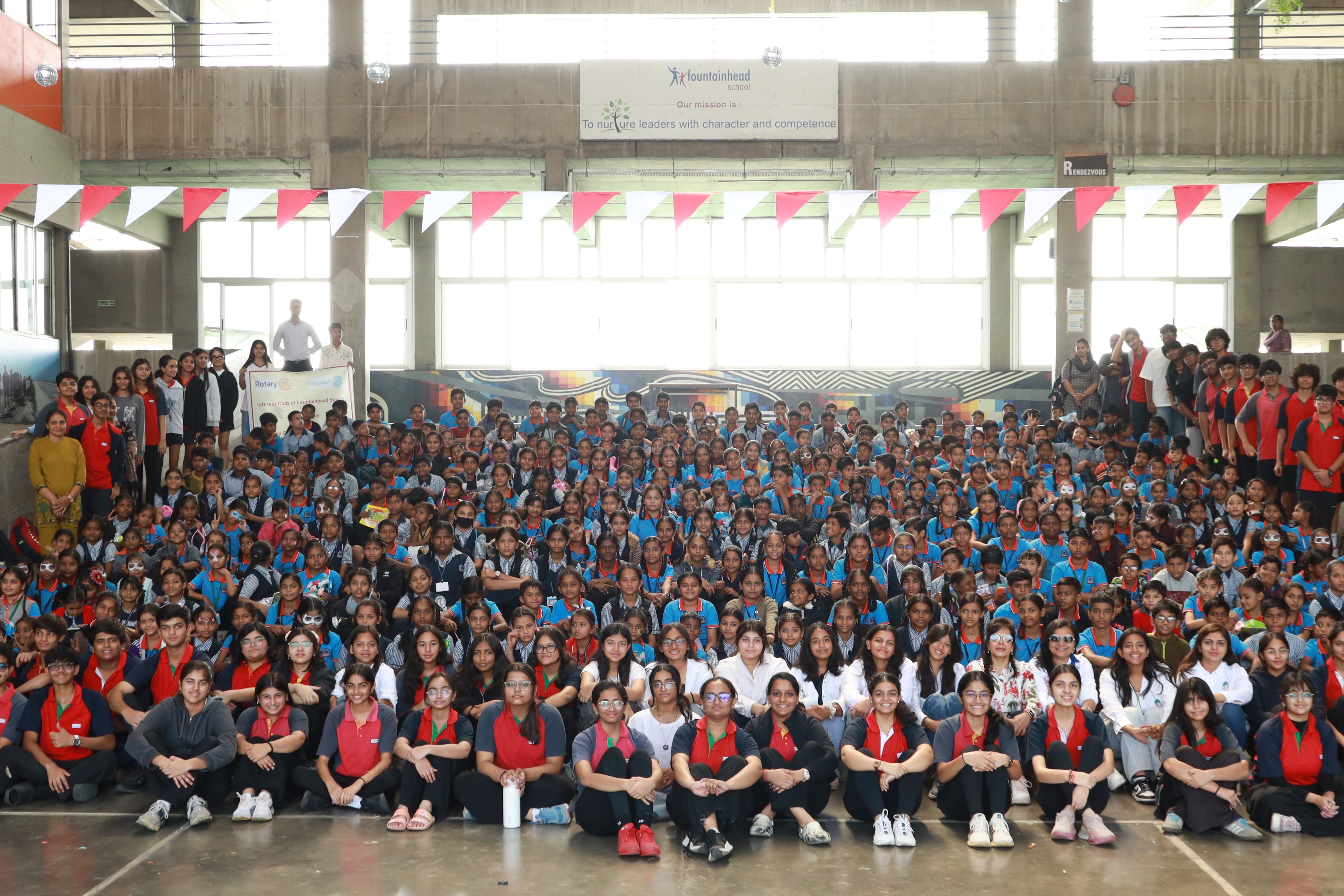
For this Creativity experience, I contributed to my school’s Children’s Literacy Carnival by designing and organising an interactive stall centred around UN Sustainable Development Goal 13: Climate Action. My aim was to create an activity that was both enjoyable and educational for students from a government school, allowing them to have fun while developing a better understanding of environmental issues. I independently designed a colourful Canva presentation featuring climate-related questions with a 30-second challenge and a token reward system. Alongside this, I created a ‘Climate Action Dare’ game where students completed environmental challenges through individual and pair activities. The enthusiasm, teamwork, and curiosity shown by the participants made the experience memorable and highlighted how creative activities can make learning about climate action enjoyable.
LO1 – This experience allowed me to use my creativity in designing an attractive stall that appealed to younger students. I focused on selecting colourful themes, charts, decorations, handwritten dare chits, and interactive elements that matched the Climate Action theme. Also, I have used my digital skills in designing a visually appealing and informative Canva presentation that displays images, icons and questions related to Climate changes, requiring a great effort. Decorating the stall and watching students excitedly gather around it gave me confidence that creativity can make learning more engaging and enjoyable.
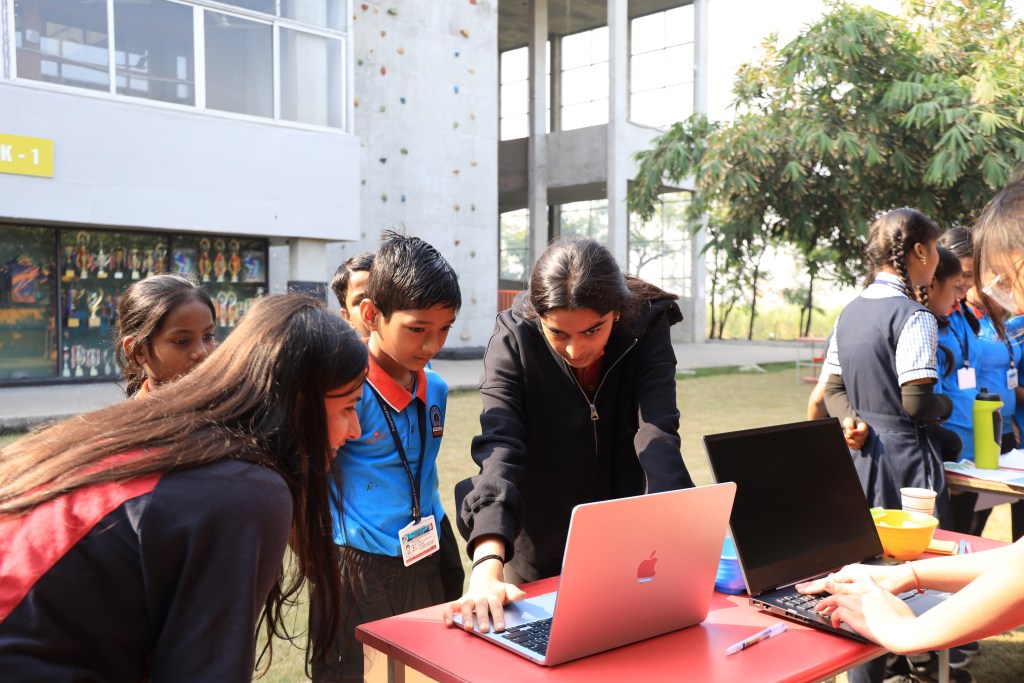
LO3 – Planning the stall required me to organise every detail before the carnival. I prepared all the materials, arranged the layout of the stall, organised the token system, and planned how participants would move smoothly between both activities without creating confusion. I also thought about how to keep the activities interactive while ensuring every student had enough time to participate. During the event, I managed the timer, explained the rules clearly, distributed tokens, guided students through each activity, and adapted my explanations whenever needed. I also managed the flow of participants to avoid overcrowding and made sure that everyone received an equal opportunity to take part. This experience taught me that successful planning involves careful organisation, effective time management, flexibility, and the confidence to make quick decisions whenever unexpected situations arise.
LO6 – My stall focused on UN Sustainable Development Goal 13: Climate Action, one of the most pressing global challenges today. Through interactive games that I designed, I helped younger teenagers of government school understand concepts such as climate change, environmental problems, and sustainable habits. The Climate Action Dare game encouraged participants to think about practical actions they could take to protect the environment in their daily lives and many students actively participated by suggesting ways to save water, reduce plastic use, plant trees, and keep their surroundings clean. Looking at their enthusiasm made me realise that even simple, fun activities can create awareness and inspire positive behavioural changes.
LO7 – I designed the activities at my stall in a way that encouraged participants to think about the growing problems around the world related to the environment and also planned in a way that considers solutions and the impact of their everyday choices. Additionally, I also considered that the games were fair by providing different difficulty levels so that students of varying ages and abilities could participate confidently, and nobody felt left out at any moment. I also promoted fairness by giving every participant an equal opportunity to take part. Since there was a long queue of students, I managed it patiently, resolved minor disagreements, and ensured everyone received a chance to participate in a friendly and inclusive environment.