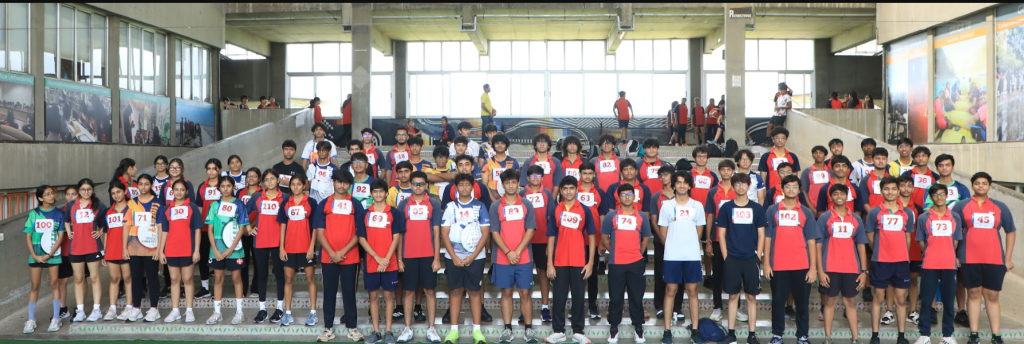
Introduction Participating in my school’s cross-country runs provided a unique platform to test the intersection of my physical endurance and mental fortitude. Engaging in these events alongside my peers was more than just a fitness requirement; it was a deliberate challenge to my self-discipline and my ability to thrive in a high-pressure, competitive environment. This experience allowed me to analyze my physical capabilities in real-time, focusing on how I could push past perceived limits to achieve personal growth.
Reflecting on Learning Outcomes
- LO1: Identify own strengths and develop areas for growth
Throughout the races, I recognized that my primary strengths are my unwavering determination and my ability to maintain a consistent, strategic pace. However, the intensity of long-distance running also highlighted clear areas for development. I realized I need to further refine my breathing techniques to stay calm under strain and improve my pre-race preparation to ensure peak performance from the very first kilometer. - LO2: Demonstrate that challenges have been undertaken and new skills developed
These runs forced me well outside my physical comfort zone. By committing to the full distance, I developed a suite of new skills, including the technical ability to regulate my energy output and the mental resilience required to ignore physical discomfort. Learning how to properly warm up and recover also became a vital part of my athletic toolkit. - LO4: Show commitment and perseverance in CAS experiences
There were several moments during the races where fatigue and physical strain made me want to slow down. However, I remained deeply committed to my goal, maintaining my discipline until I crossed the finish line. This perseverance was rewarded with a first-place finish in all three of my runs, a result that has significantly boosted my confidence and motivated me to set even more ambitious fitness goals. - LO5: Demonstrate the skills and benefits of working collaboratively
While cross-country is technically an individual sport, the collaborative spirit of the event was undeniable. The mutual encouragement shared between runners—both before the start and during the most grueling stretches of the course—created a powerful sense of community. This supportive atmosphere not only improved my individual performance but also taught me how collective motivation can drive personal success.
Conclusion Ultimately, this cross-country experience was a cornerstone of my CAS journey. It did more than just improve my stamina and physical fitness; it reshaped my understanding of what I can achieve through grit and persistence. The lessons I learned about mental resilience and the value of a supportive team will undoubtedly influence my approach to future challenges, both in and out of the classroom.