As part of my CAS service strand, I participated in E.C.H.O, where I worked in a group of five to conduct eight teaching sessions for students from Deen Sahayak Vidhyalay. We focused mainly on Math and English, but instead of following a fixed syllabus, our aim was to help students build core skills and truly understand concepts. Through this experience, I wanted to contribute towards improving the quality of education while also developing my own communication and teaching abilities. It aligned closely with SDG 4: Quality Education, as we aimed to make learning more meaningful and accessible.
LO3 – Initiate and Plan a CAS Experience
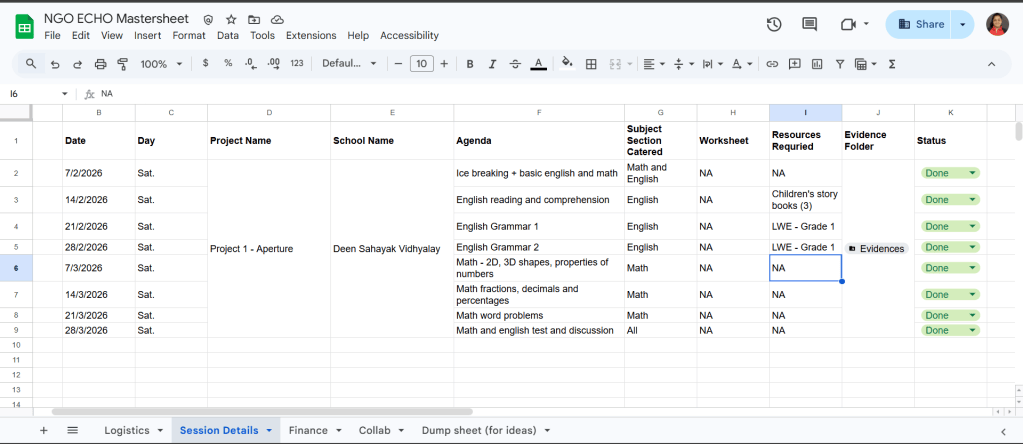
This experience required planning and organization at every stage. As a group, we had to decide how to structure each session, what concepts to focus on, and how to teach in a way that was engaging and easy to understand. We realized early on that the students were more used to memorization rather than conceptual learning, so we adapted our approach to focus on building understanding through activities and examples. I contributed by helping plan lessons, organizing tasks within the group, and ensuring that each session had a clear objective. This process helped me develop my ability to plan effectively and adapt strategies based on the needs of others.
LO6 – Engagement with Issues of Global Significance
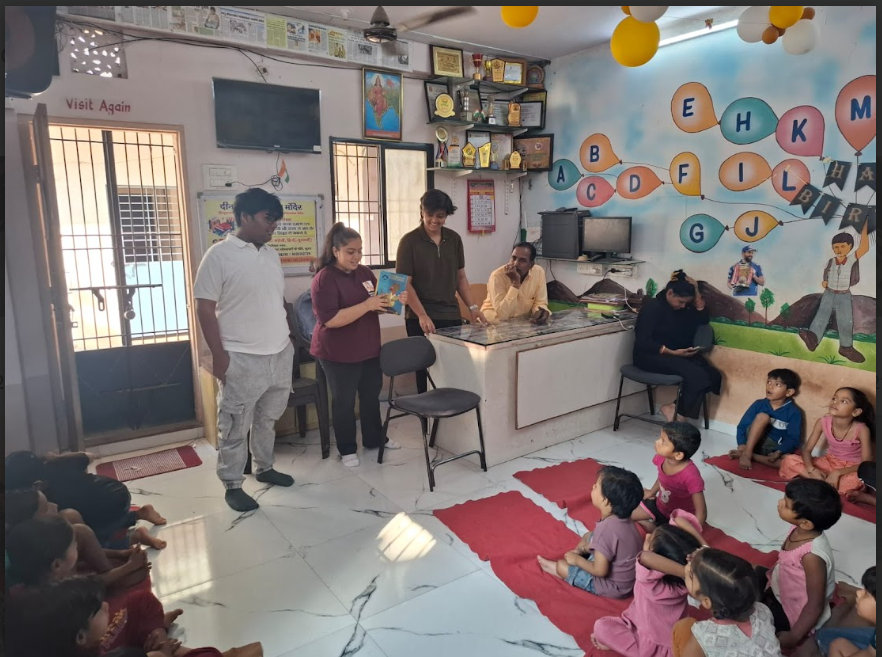
Through this service, I became more aware of the global issue of unequal access to quality education. I understood that many students do not have the same opportunities or resources, which affects how they learn and engage with subjects. This experience made me reflect on the importance of literacy and education in shaping future opportunities. It also helped me become more open-minded, as I learned to understand the students’ backgrounds and challenges without judgement. Teaching them made me realize that improving education is not just about content, but about making learning accessible, inclusive, and meaningful.
LO7 – Recognise and Consider the Ethics of Choices and Actions
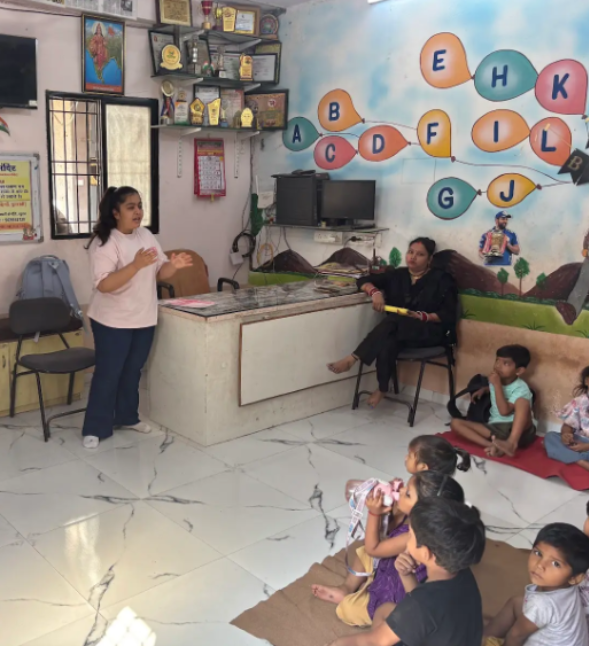
While working with the students, I became more aware of the ethical responsibilities involved in teaching. It was important to treat all students with respect and not discriminate based on their financial or educational backgrounds. I learned to be patient, supportive, and mindful of how my actions and words could impact their confidence and learning. Additionally, I had to ensure that the way we taught was fair, inclusive, and genuinely helpful rather than superficial. This experience helped me develop the learner profile attributes of being open-minded and a communicator, as I worked to build trust with the students and collaborate effectively with my team.
Overall, this CAS experience was meaningful and impactful, as it allowed me to contribute towards a real issue while also growing personally. I developed stronger communication, teamwork, and planning skills, while gaining a deeper understanding of the importance of quality education. The most valuable takeaway was realising that even small efforts can create a positive impact. If I were to continue this experience, I would focus on creating more interactive and personalised learning methods to further improve student understanding and engagement.