Finding Myself in Ambapani: A Rural Immersion Reflection
From December 8th to 13th, I traded the comforts of city life for a tractor ride into Ambapani, a village surrounded by forests, rivers, and a close-knit community that runs on cooperation and simplicity. This wasn’t a holiday or a sightseeing trip — it was a full immersion into a way of living that was almost entirely unfamiliar to me. Without constant access to technology or urban conveniences, I was pushed to slow down, pay attention, and genuinely participate rather than observe. Through farming, bamboo craft, mud lipan, valley crossings, jungle treks, environmental initiatives, and conversations with villagers and students, I found myself engaging with all seven CAS Learning Outcomes in ways I hadn’t expected — and coming away with a much clearer sense of who I am and what I still need to work on.
LO1: Identify own strengths and develop areas for growth
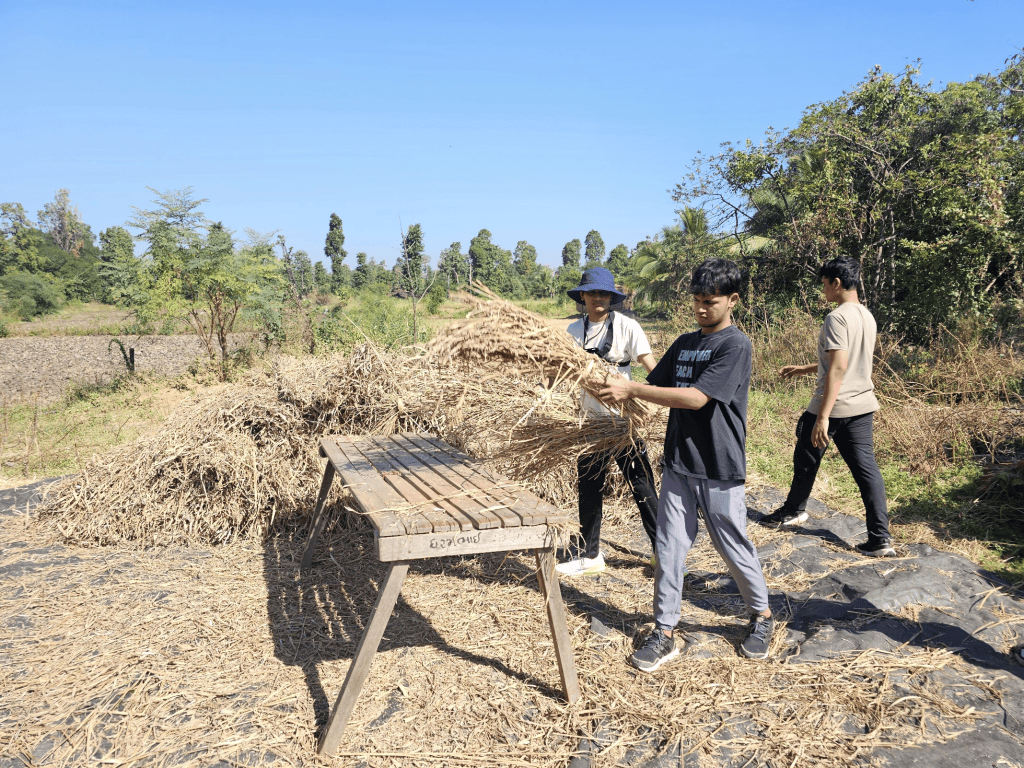
Living without the usual comforts of home taught me that I am far more adaptable than I gave myself credit for. Early mornings, physically demanding routines, and shared responsibilities became normal within days, and I handled the shift with a fairly positive attitude. At the same time, the trip was honest about my limits. Harvesting crops that the villagers did with practiced ease left me exhausted after just an hour, and I quickly realized my physical stamina had real room to grow. Tasks requiring repetition and precision also tested my patience. By the end of the week, though, I noticed real progress — I could work longer, complain less, and stay calmer when things didn’t go smoothly on the first try.
LO2: Demonstrate that challenges have been undertaken, developing new skills
Almost every day handed me something outside my comfort zone. Crossing a valley and bathing in the river demanded a kind of trust in nature I wasn’t used to, and trekking through uneven jungle terrain tested my balance and resolve, especially during the session on local ecosystems and indigenous snakes, which forced me to be alert and aware in ways city life never requires. Learning bamboo craft and taking part in mud lipan — applying a traditional mixture of clay and cow dung to village walls — meant setting aside any hesitation and picking up a skill I had zero experience with. It required concentration, coordination, and a willingness to get things wrong before getting them right. I left with new practical skills, but more importantly, with the understanding that growth almost always starts with discomfort.
LO3: Demonstrate how to initiate and plan a CAS experience
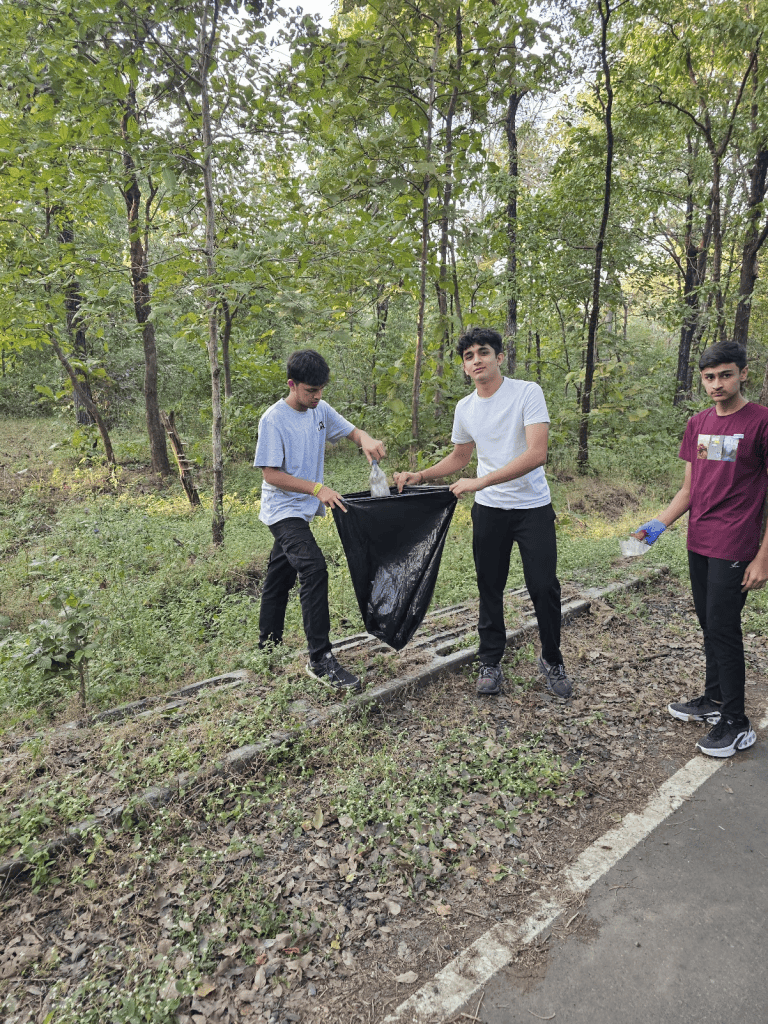
Preparing for a week with no urban amenities took real planning. I had to think through basic necessities, organize gear for the jungle trek, and mentally prepare for days of sustained manual labor — none of which I could wing. The structured activities during the trip, like the plastic collection drive, reinforced this same lesson on a community scale: we didn’t just pick up waste, we learned how to segregate it properly and understood how it fit into local government disposal systems. Interacting respectfully with villagers and students also took preparation and thought. Altogether, the experience showed me that good intentions aren’t enough — meaningful action, whether personal or environmental, needs organization behind it.
LO4: Show commitment and perseverance in CAS experiences
Commitment was tested daily, from the bumpy early tractor rides out to the fields to the long hours of labor under the sun that followed. Farming was physically relentless, and mud lipan demanded patience and precision even when my hands were tired and my focus was fading. There were moments I wanted to sit out, but I stayed engaged and saw every task through, showing up fully for reflection and well-being sessions too. What this drilled into me is that commitment isn’t about feeling motivated all the time — it’s about staying dedicated to the community and the task even when the motivation isn’t there.
LO5: Demonstrate the skills and recognize the benefits of working collaboratively
Rural life runs on teamwork, and I felt that firsthand. Preparing baaj plates, crafting bamboo items, passing materials along a line during mud lipan, and supporting each other on steep jungle trails all depended on people pulling together. Working alongside my peers and the local community sharpened my communication skills and taught me how to divide responsibilities without anyone feeling overburdened. I learned to listen more carefully and respect approaches different from my own. In Ambapani, collaboration wasn’t a nice-to-have — it was the only way anything got done, and that made the value of teamwork impossible to ignore.
LO6: Demonstrate engagement with issues of global significance
Watching the village depend so directly on its forests and rivers made ecological balance feel real rather than theoretical. Sustainable farming practices and the local dairy cooperative showed me how a rural economy can function through collective systems rather than individual competition, connecting directly to global priorities like the UN’s Sustainable Development Goals on sustainable communities and life on land. The trip also brought the urban-rural divide into sharp focus, highlighting how questions of socio-economic inequality and equitable access to resources aren’t abstract policy debates — they shape daily life for entire communities. Small-scale, sustainable choices in a village like Ambapani, I realized, are part of the same conversation as large-scale climate solutions.
LO7: Recognize and consider the ethics of choices and actions
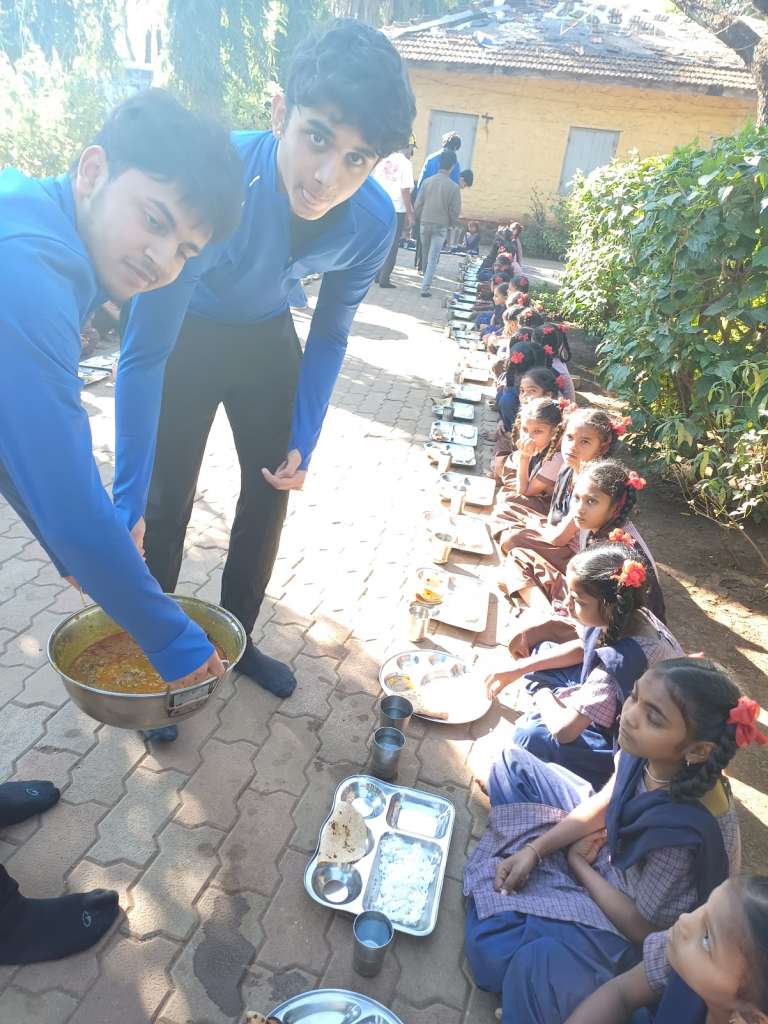
Spending time in Ambapani forced me to sit with questions of privilege and access. Learning about rural education through the local Aasaramsala, and seeing the gap between urban and rural opportunity up close, made social inequality feel personal rather than distant. I also had to think carefully about the ethics of our presence in the village — making sure our labor was genuine and our impact was helpful rather than intrusive, and that any “service” we offered came with humility rather than a sense of doing the village a favor. It pushed me to question my own consumption habits and how much waste I generate without thinking, and left me with a sharper sense that ordinary daily choices carry real social and environmental weight.

Conclusion
The rural immersion in Ambapani turned out to be far more than an academic requirement — it was a genuinely transformative week that challenged me physically, mentally, and ethically. It reshaped how I think about sustainability, community, and what actually counts as “necessary” for a good life. I came back with more resilience, stronger teamwork instincts, and a real appreciation for the resourcefulness and traditional wisdom of people who live in close harmony with the land. Most of all, Ambapani left me more mindful of my own choices and more conscious of the role I can play in contributing positively to both society and the environment going forward.