Rural Immersion CAS Experience Reflection
Introduction
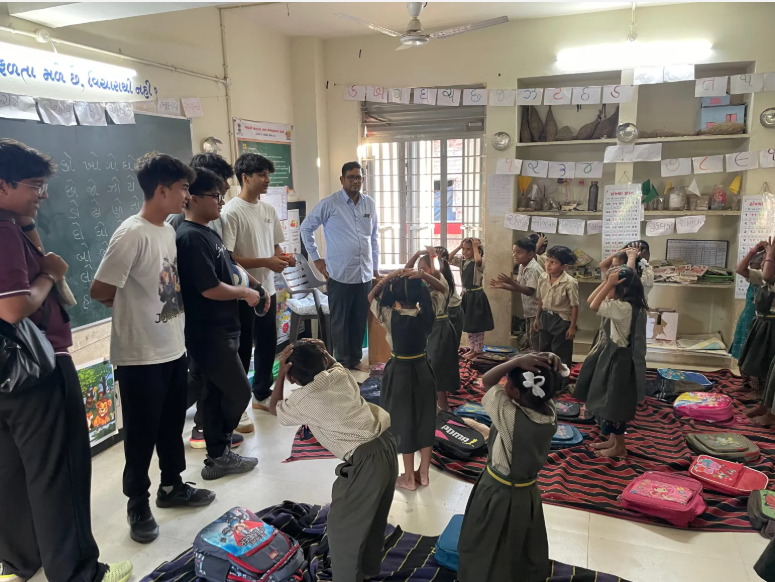
As part of my CAS journey, I participated in a Rural Immersion trip to Padamdungri. The experience provided me with opportunities to engage in service activities, outdoor challenges, teamwork, and interactions with the local community. Through activities such as trekking, farming, wall painting, school cleaning, sports, and cultural exchanges, I gained valuable insights into rural life while developing important personal and interpersonal skills.
LO1 Identify Own Strengths and Areas for Growth
Throughout the trip, I discovered several personal strengths, including adaptability, teamwork, and a willingness to participate actively in different activities. Whether it was trekking, sports, or service tasks, I was able to contribute positively to my group. At the same time, I realized that I can further improve my leadership and communication skills, especially when working with unfamiliar people and coordinating group tasks. This experience helped me become more aware of both my capabilities and areas where I can continue to grow.
LO2 Demonstrate That Challenges Have Been Undertaken, Developing New Skills
The rural immersion involved various challenging activities such as trekking to Toran Dungar, rock climbing, rappelling, farming work, and forest-related activities. Many of these experiences were physically demanding and required me to step outside my comfort zone. Through participation, I developed greater resilience, physical endurance, and problem-solving abilities. These challenges also taught me the importance of maintaining a positive attitude when facing unfamiliar situations.
LO3 Demonstrate How to Initiate and Plan a CAS Experience
During service activities such as wall painting, school cleaning, and preparing group presentations and skits, I actively participated in organizing and planning tasks within my group. We discussed how responsibilities would be divided, allocated resources efficiently, and created timelines to ensure that all activities were completed effectively. By contributing to the planning process, I learned how proper organization and communication are essential for achieving collective goals and ensuring the success of community projects.
LO4 Show Perseverance and Commitment in CAS Experiences
The immersion programme extended over several days and required continuous participation in a wide range of activities. Despite physical fatigue from trekking, outdoor work, and long activity schedules, I remained committed to completing every task to the best of my ability. By consistently participating and supporting my teammates throughout the trip, I demonstrated perseverance and dedication to the CAS experience.
LO5 Demonstrate Skills and Benefits of Working Collaboratively
Teamwork played an important role throughout the immersion programme. Activities such as farming, school cleaning, sports, wall painting, and cultural performances required effective collaboration among group members. Working closely with my peers taught me the value of cooperation, active listening, mutual respect, and collective responsibility. Through collaboration, we were able to accomplish tasks more efficiently and create a more meaningful impact within the community.
LO6 Demonstrate Engagement with Issues of Global Significance
The immersion exposed me to important global issues related to environmental sustainability and responsible resource management. Through farming activities, learning about turmeric processing, understanding the use of cow dung in agriculture, and participating in forest-related work, I gained a deeper appreciation for sustainable living practices. These experiences highlighted how environmental conservation is directly connected to the well-being of communities and reinforced the importance of protecting natural resources for future generations.
LO7 Recognize and Consider the Ethics of Choices and Actions
Interacting with local residents and participating in community service activities encouraged me to think about the ethical impact of my actions. I learned the importance of respecting different lifestyles, cultures, and perspectives. Observing how local communities utilize resources responsibly also made me reflect on my own choices and their environmental consequences. This experience strengthened my understanding that responsible and ethical decision-making is essential when working with communities and addressing social and environmental challenges.
Conclusion
The Padamdungri Rural Immersion programme was a meaningful CAS experience that combined activity, service, and personal growth. It allowed me to develop new skills, strengthen existing abilities, and gain a deeper understanding of sustainability, teamwork, and community engagement. Through the challenges, service opportunities, and interactions with the local community, I became more aware of the importance of collaboration, perseverance, ethical responsibility, and environmental stewardship. Overall, this experience made a significant contribution to my CAS journey and personal development.