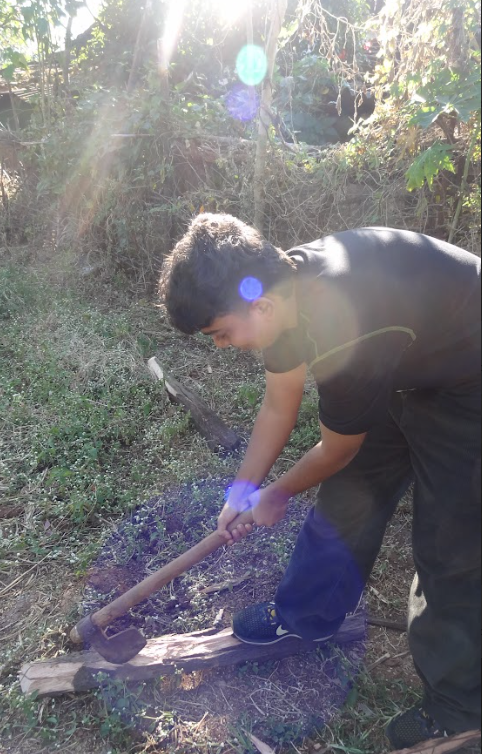
As part of my CAS journey, I took part in a six-day rural immersion trip to Mokhamal in Dang to gain direct insight into rural life. During this experience, I engaged in activities such as interacting with tribal communities, assisting children in a government school, playing group games, and trekking through the mountains. We also visited a local market (haat), where I observed how villagers buy essential goods and manage their daily needs.
This experience pushed me to adjust to unfamiliar living conditions, including different sleep routines, food habits, and communication styles. It deepened my understanding of the differences between rural and urban lifestyles and highlighted challenges such as limited access to healthcare, education, and employment in rural regions.
Learning Outcome 1 – Identify own strengths and develop areas for growth
Through this journey, I recognized adaptability as one of my strengths. I was able to adjust to early mornings, basic living conditions, and structured meal timings, which helped me remain energetic. However, I also identified areas where I needed improvement. Initially, I struggled with limited facilities, especially bathing arrangements, and experienced dehydration, which temporarily affected my health. Over time, I became more aware of my needs and learned the importance of maintaining my well-being.
Learning Outcome 2 – Demonstrate that challenges have been undertaken, developing new skills
A significant challenge I encountered was physical fatigue, particularly during trekking. Climbing uphill after descending slopes was especially demanding. By observing local people, I learned techniques like pacing myself and controlling my breathing. This helped me overcome the difficulty and build endurance, stamina, and mental strength, while also teaching me patience and adaptability.
Learning Outcome 3 – Initiate and plan a CAS experience
Although the trip was school-organized, I showed initiative by preparing myself mentally and actively participating in every activity. I made sure to engage fully, whether working at the school or interacting with the community. I also reflected on the purpose behind each task, which allowed me to gain deeper insights from the experience.
Learning Outcome 4 – Show perseverance and commitment in CAS experience
I demonstrated persistence during tasks that required sustained effort, such as making bamboo baskets. The process was difficult, as the bamboo often broke or failed to take shape, requiring multiple attempts. Despite this, I remained dedicated and completed the task, strengthening my determination and commitment.
Learning Outcome 5 – Demonstrate skills and benefits of working collaboratively
Teamwork was essential throughout the trip. For instance, while building a plant fence, tasks were divided among group members so everyone could focus on specific roles. This improved efficiency and ensured successful completion. Through such experiences, I enhanced my communication, coordination, and cooperation skills, and understood the value of collective effort.
Learning Outcome 6 – Engagement with issues of global significance
The trip exposed me to broader issues such as inequality in access to resources, healthcare, and education. Interactions with the community revealed gaps in infrastructure and essential services. Working in the government school highlighted the difficulties students face due to limited resources. I realized these challenges are not unique to Dang but are common in rural areas worldwide, increasing my awareness of global inequalities and the need for sustainable solutions.
Learning Outcome 7 – Recognise and consider the ethics of choices and actions
This experience encouraged me to reflect on the ethical implications of my daily habits. Seeing the scarcity of resources made me more conscious of overconsumption in urban life. Observing how carefully children used their materials made me reconsider my own behavior. I learned the importance of using resources responsibly and making more sustainable choices.
SDGs Connection
This rural immersion experience connected to several Sustainable Development Goals, including Zero Hunger, Good Health and Well-being, Quality Education, Clean Water and Sanitation, and Decent Work and Economic Growth. I observed issues such as malnutrition, lack of clean water, limited educational facilities, and unstable incomes. These insights helped me understand how these global challenges are interconnected and reinforced the importance of working towards sustainable and equitable development.