Type of CAS: Service Location: In School.
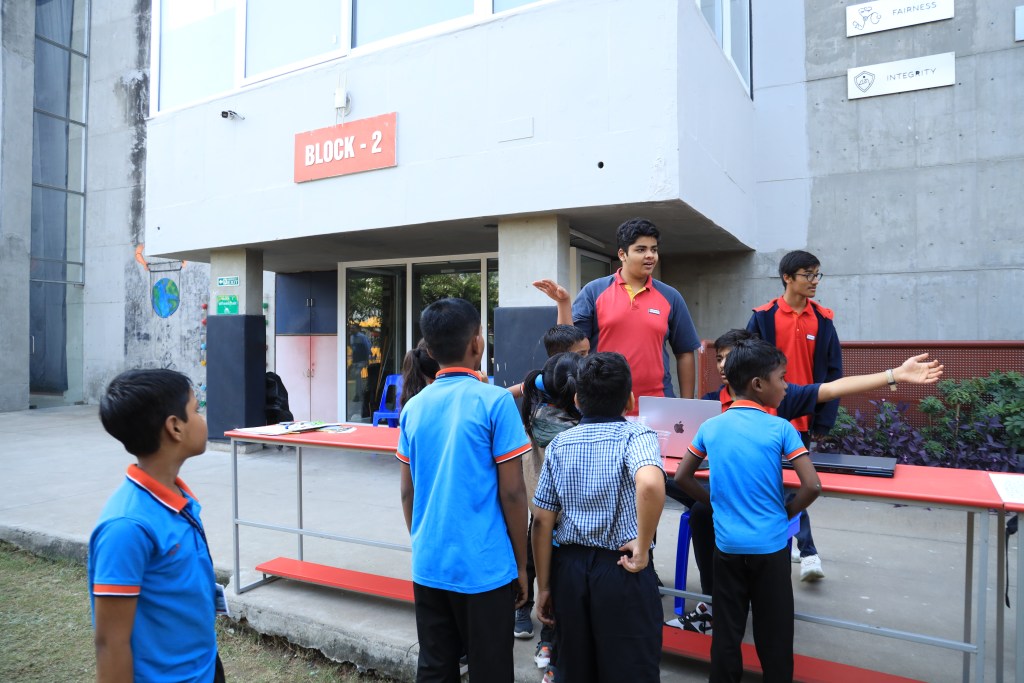
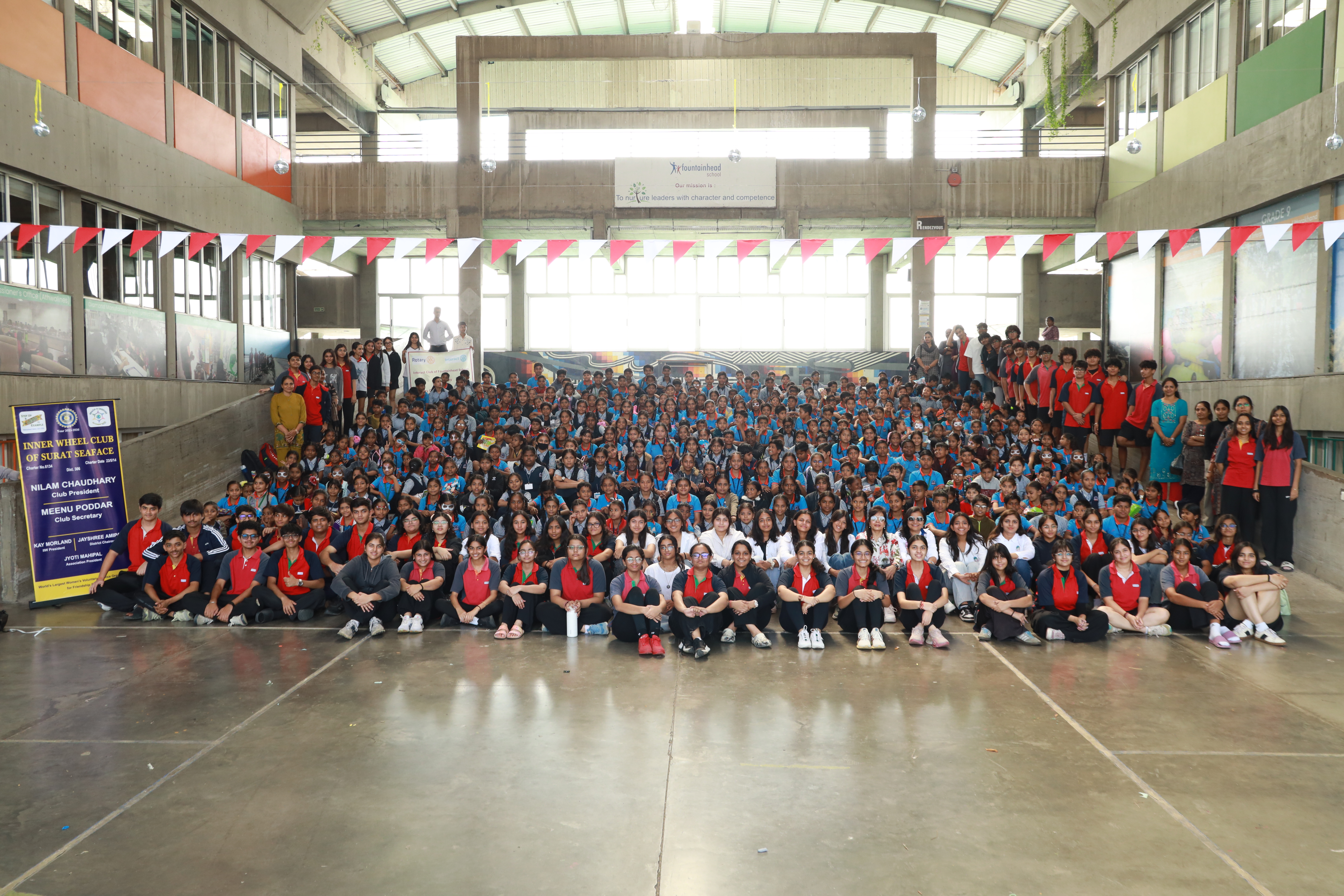
On 15 November 2025, I had the privilege of celebrating the power of knowledge and collaboration with children from various government schools. As part of the FS student team, we organized an array of enjoyable games, interactive and educational stalls, and engaging activities designed to introduce the children to essential foundational skills in financial literacy, saving, spending, sustainability, sharing, communication, and effective leadership. The event also showcased wonderful performances by the school band, which added vibrancy and energy to the atmosphere. The harmonious blend of games, music, and learning-oriented activities created an unforgettable Children’s Day Carnival. Through this experience, I successfully addressed all the CAS Learning Outcomes, each of which is explained in detail below.
LO1: Identify own strengths and develop areas for growth
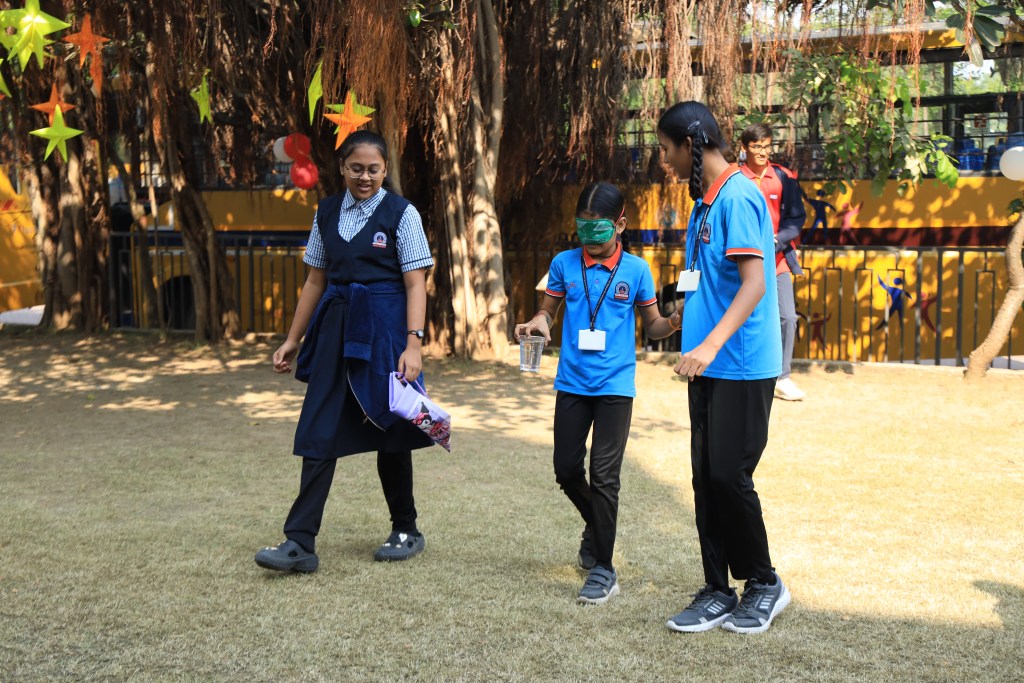
Through this CAS experience, I identified strengths in creativity, adaptability, and clear communication. Managing large groups of children revealed my patience, especially when some disrupted the Bucket Balance Race. I quickly modified the game—adding timers, teamwork, and blindfold challenges—to reinforce water conservation effectively. I also recognized areas for growth, particularly improving crowd-management skills and preparing multiple difficulty levels in advance to ensure smoother execution and deeper learning.
LO2: Demonstrate that challenges have been undertaken, developing new skills in the process
The Water Bucket Balance Race presented several challenges that allowed me to develop new skills throughout its planning and execution. Designing a game that taught water conservation while remaining simple, engaging, and age-appropriate for government school children required careful thinking. During the event, I frequently had to adjust the rules—adding timers, modifying difficulty, and clarifying instructions—to maintain flow and ensure meaningful learning. Managing spills, disruptions, and varying skill levels strengthened my facilitation abilities. Through these challenges, I developed leadership, creative problem-solving, effective communication, and organizational skills while ensuring children understood the importance of responsible water usage.
LO3: Demonstrate how to initiate and plan a CAS experience
This CAS experience began with initiating and finalizing an effective idea for the Water Bucket Balance Race, ensuring it aligned with our goal of teaching children to make responsible decisions about water conservation and sustainability. I actively contributed to both the planning and execution stages by organizing the stall layout, gathering necessary materials, and assigning team roles—such as managing the timer, guiding participants, and monitoring the finishing line. We also planned the timing, prepared explanations, and tested the activity beforehand. This process taught me the value of structured planning and thoughtful preparation in creating a meaningful and engaging CAS experience.
LO4: Showing Commitment to and Perseverance in CAS Experiences
Throughout this CAS experience, I demonstrated strong commitment and perseverance as I navigated the challenges of planning and executing the Water Bucket Balance Race. From finalizing the game concept to preparing the necessary resources with my peers, I remained dedicated to ensuring the activity aligned with our goal of promoting water conservation. Managing large groups of children was often overwhelming—especially when they became restless or mischievous—but I stayed patient, calm, and adaptable. Despite the chaos of handling two competing teams at once, I continuously encouraged both my peers and the participants while switching to backup strategies when needed. My sustained effort and resilience ensured that the activity ran smoothly and that our message about responsible water usage was delivered effectively. My team’s collective perseverance was essential in maintaining an engaging and impactful experience, even during the busiest moments.
LO5: Demonstrate the skills and recognize the benefits of working collaboratively
This activity highlighted the importance of effective collaboration in ensuring that the Water Bucket Balance Race ran smoothly. I took responsibility for planning and finalizing the game concept, while one partner managed the resources and another communicated instructions to the children on the day of the event. We divided our tasks equally, often switching roles, which strengthened our leadership, communication, and adaptability skills. Our teamwork ensured the activity remained safe, engaging, and educational. Through this experience, I recognized how shared responsibilities make community service more efficient, enjoyable, and impactful.
LO6: Demonstrate engagement with issues of global significance
Water scarcity is a critical global issue, with many underdeveloped regions facing severe shortages of clean water and inadequate sanitation facilities. Our role in this CAS experience was to raise awareness among government school children about the importance of conserving water and understanding its role in building sustainable communities. Through the Water Bucket Balance Race, we effectively addressed SDG 6 (Clean Water and Sanitation), SDG 11 (Sustainable Cities and Communities), and SDG 12 (Responsible Consumption and Production). The game encouraged children to avoid spilling water, think carefully about resource usage, and recognize how small daily actions contribute to long-term environmental sustainability. This activity reinforced my understanding that even simple, playful experiences can inspire responsible behaviour and cultivate a culture of awareness and compassion.
LO7: Recognize and consider the ethics of choices and actions
Throughout the Water Bucket Balance Race, we consistently made ethical decisions to ensure fairness, equal participation, and respectful treatment of every child. We focused on giving all team members an equal chance to contribute, emphasizing coordination and unity rather than competition alone. It was important for us to uphold the values of equality and respect, especially when working with government school children. I learned to treat each participant impartially, value their efforts, and create an environment where every child felt included and heard. Ensuring equal opportunities and empowering them to participate meaningfully became a core ethical responsibility, enriching my overall CAS experience.
In a nutshell, this CAS experience offered a meaningful opportunity to celebrate joy, learning, and collaboration with government school children. Through the Water Bucket Balance Race, we successfully conveyed the importance of saving water in an engaging and interactive way. This experience deeply contributed to my personal growth, strengthening my skills while allowing me to share knowledge with enthusiastic young learners. I am grateful for the chance to contribute to their awareness, and I believe that through collective effort, responsible choices, and strong partnerships, we can work toward building a more sustainable and equitable future.