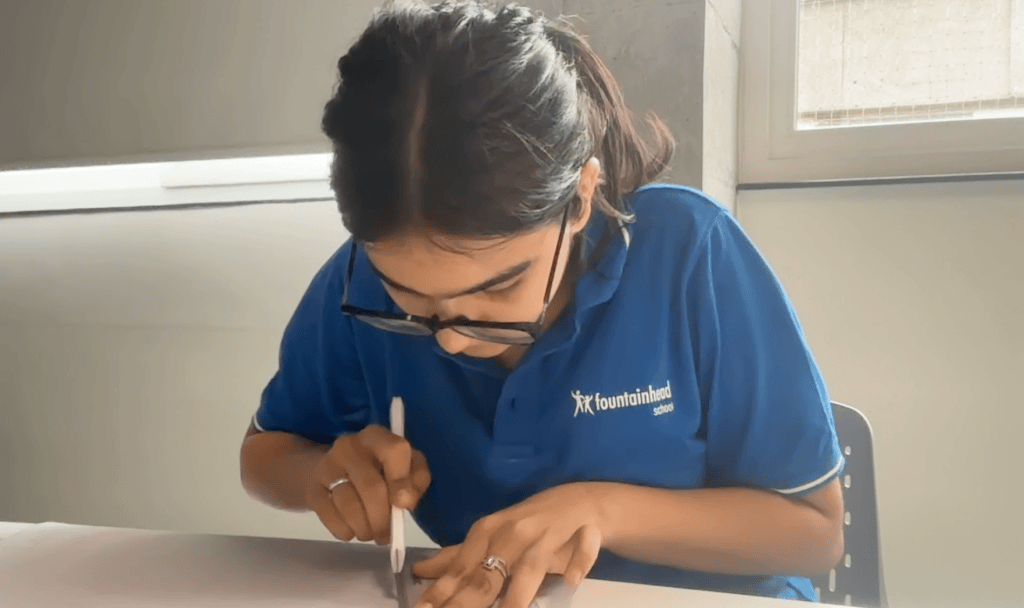
For my CAS Creativity experience, I was part of the decoration team for the Grade 11 Freshers’ Party. Our goal was to transform the venue into a welcoming and visually appealing space for the incoming Grade 11 students. As a team, we brainstormed decoration ideas, selected a colour scheme, designed different decorative elements, and worked together to set up the venue before the event. From arranging balloons and banners to placing table decorations and organizing the overall layout, every detail contributed to creating an exciting atmosphere. Through this experience, I was able to express my creativity while learning the importance of planning, teamwork, and adaptability.
Learning Outcome 1: Identify Own Strengths & Develop Areas for Growth
This experience allowed me to recognize several personal strengths while also highlighting areas where I could improve. One of my strengths was my ability to think creatively and visualize how different decorative elements would fit together to create a cohesive theme. I enjoyed suggesting ideas for colour combinations, placement of decorations, and ways to make the venue feel more welcoming. I also found that I was patient and willing to complete smaller tasks that required precision, such as arranging decorations neatly or adjusting displays until they looked balanced. At the same time, I realized that I sometimes became too focused on perfecting individual details instead of looking at the bigger picture. During the setup process, I occasionally spent too much time adjusting one section while other tasks still needed attention. This experience taught me to manage my time more effectively and understand that completing the overall project was more important than making every small detail perfect. Becoming aware of both my strengths and weaknesses helped me grow as both a creative thinker and a team member.
Learning Outcome 2: Demonstrate Challenges That Have Been Undertaken, Developing New Skills Decorating the venue presented several unexpected challenges. Although we had planned our ideas beforehand, not everything worked the way we had imagined once we began setting up. Some decorations did not fit the available space, certain materials were difficult to work with, and we had less time than expected to complete everything before the event began. Instead of becoming discouraged, we had to think quickly and modify our original plans. Working through these situations helped me develop several new skills. I learned how to improvise when resources were limited, solve problems creatively, and make decisions under time pressure. I also became better at visualizing how different decorative elements would look together before arranging them. This experience showed me that creativity is not only about generating ideas but also about adapting those ideas when circumstances change.
Learning Outcome 3: Demonstrate How to Initiate & Plan a CAS Experience
A successful decoration project required much more planning than I initially expected. Before beginning the setup, our team discussed the overall theme, identified the materials we needed, divided responsibilities, and considered how we wanted people to experience the venue when they entered. We had to think about colours, spacing, visibility, and how different decorative elements would complement one another. I contributed by participating in planning discussions, helping organize materials, and ensuring that my assigned tasks were completed on time. During the setup, we continuously evaluated our progress and made adjustments whenever something did not look as effective as we had imagined. This experience taught me that creative projects require careful planning, flexibility, and constant evaluation rather than relying only on spontaneous ideas.
Learning Outcome 4: Show Commitment to & Perseverance in CAS Experiences
Preparing the decorations required consistent effort over an extended period. There were many occasions when decorations had to be rearranged or recreated because they did not match the overall design or because unexpected issues arose during setup. Although repeating the same tasks became tiring at times, we continued improving each section until we were satisfied with the final result. Balancing this commitment with schoolwork also required discipline and good time management. I understood that everyone depended on each member of the team completing their responsibilities, so I made sure to attend preparation sessions and contribute whenever needed. This experience reinforced the importance of perseverance because achieving a high-quality final result often requires patience, repeated effort, and the willingness to keep improving even when progress feels slow.
Learning Outcome 5: Demonstrate the Skills & Recognize the Benefits of Working Collaboratively
The decoration process depended entirely on teamwork. Every member of the group brought different ideas, preferences, and creative strengths, which meant that effective communication was essential throughout the project. Instead of working independently, we constantly shared opinions, asked for feedback, and helped one another complete tasks more efficiently. I learned that collaboration involves more than simply dividing work. It also requires listening carefully to different viewpoints, respecting ideas that may differ from my own, and being willing to compromise for the benefit of the group. There were times when my suggestions were not selected, but I learned to appreciate that the strongest outcome came from combining everyone’s ideas rather than focusing on individual preferences. This experience strengthened my communication skills and taught me that collaboration often leads to more creative and balanced results.
Learning Outcome 6: Demonstrate Engagement with Issues of Global Significance
Although decorating for a school event may appear to be a small activity, it highlighted the importance of creating inclusive and welcoming environments where people feel comfortable and valued. Across the world, schools and communities organise events that help individuals build relationships and develop a sense of belonging. Creating spaces that encourage inclusion contributes to stronger and more connected communities. By helping decorate the venue, I played a small part in ensuring that the incoming Grade 11 students felt welcomed during an important milestone in their school journey. The experience reminded me that creativity can positively influence people’s emotions and first impressions. It also helped me appreciate how thoughtful design and shared experiences contribute to building supportive communities, which is an important aspect of social well-being.
Learning Outcome 7: Recognize & Consider the Ethics of Choices & Actions
Throughout the project, I became more aware of the responsibility that comes with working on a shared task. Every decision I made affected not only my own work but also the progress of the entire team. Completing my responsibilities on time allowed others to continue their tasks efficiently, while delays would have affected everyone’s ability to finish before the event. Another important ethical consideration was using decoration materials responsibly. We tried to avoid wasting supplies by reusing materials wherever possible and only using what was necessary. I also recognised the importance of acknowledging everyone’s contributions rather than focusing only on visible roles. Every task, regardless of how small it seemed, contributed to the final outcome. This experience reinforced the values of accountability, fairness, respect, and responsible decision-making, all of which are essential when working collaboratively on community events.
Final Takeaway This CAS experience helped me develop IB learner profile attributes such as being communicative, reflective, balanced, and open-minded. It allowed me to express my creativity while strengthening my teamwork, planning, and problem-solving skills. The highlight of the experience was seeing the completed venue before the event began and watching the Grade 11 students enjoy the welcoming atmosphere we had created. Knowing that our work contributed to making their first major event enjoyable gave me a strong sense of satisfaction. If I were to participate in a similar experience again, I would spend more time creating detailed decoration plans beforehand so that the setup process could be even more efficient. Overall, this experience showed me how creativity, collaboration, and careful planning can transform a simple venue into a space that brings people together.