Introduction:
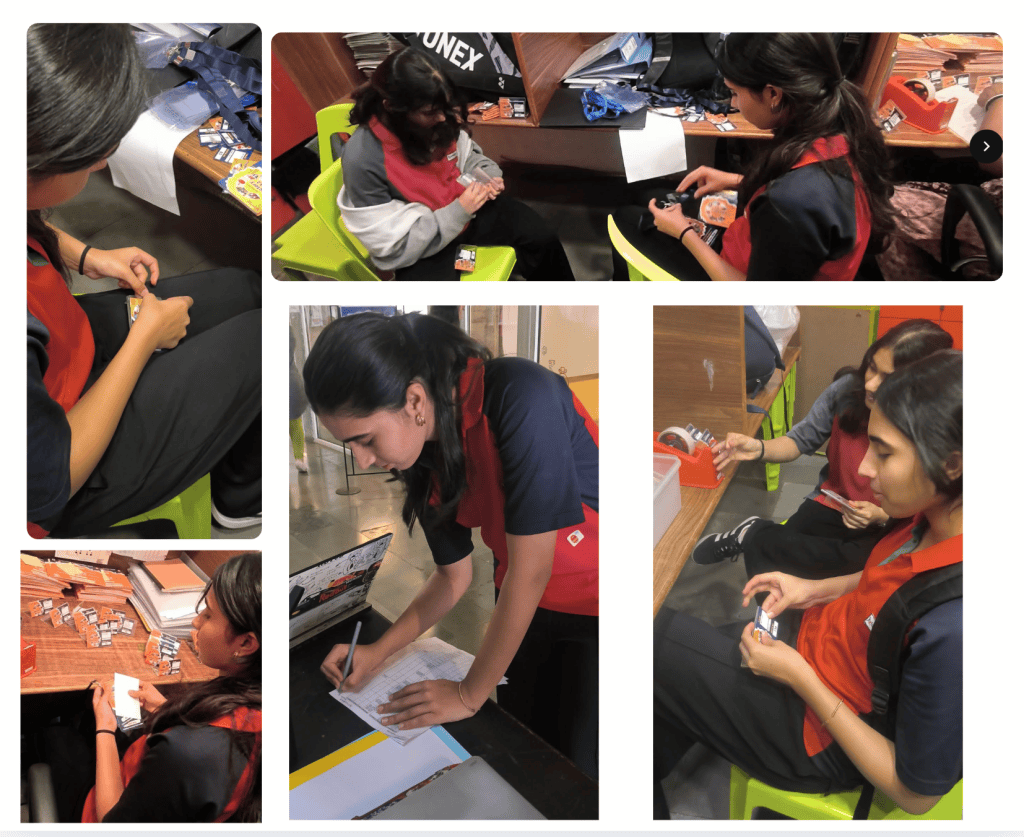
This CAS experience involved supporting the organisation of the Trajectory event in school. My role included preparing name tags for each table by inserting them into transparent name holders, marking attendance on the day of the event at different venues, and organising medals and certificates by separating them properly and placing the certificates into files. I also worked with a friend, which made this a collaborative experience. Through this activity, I contributed to the smooth functioning of the event while developing important personal and interpersonal skills such as organisation, responsibility, teamwork, and attention to detail. This experience connects well to several CAS learning outcomes because it required active participation, commitment, cooperation, and ethical responsibility.
LO1: Identify own strengths and develop areas for growth
This experience helped me identify some of my personal strengths, especially in organisation, responsibility, and attention to detail. While preparing the name tags and arranging certificates, I realised that I am able to handle tasks carefully and systematically. I was also able to stay focused while doing repetitive but important work, which showed patience and reliability. At the same time, this experience made me aware of areas where I can still grow. For example, I learned that I need to become faster and more confident while managing multiple tasks in a real event setting. Working in an organised event environment showed me that good planning and quick decision-making are important skills, and this encouraged me to improve these areas further.
LO2: Demonstrate that challenges have been undertaken, developing new skills in the process
Although the tasks may seem simple, this experience involved real responsibility and required me to work carefully so that everything was ready and correctly arranged. One challenge was handling event-related tasks in an organised and timely way, especially because items such as attendance records, medals, and certificates are important for the success of the event. Another challenge was adjusting to different duties, from preparation work before the event to practical responsibilities on the event day. Through this, I developed new skills related to event support, coordination, record-keeping, and managing materials properly. I also improved my ability to adapt to what was needed at the moment and to complete tasks efficiently under supervision.
LO4: Show commitment to and perseverance in CAS experiences
This learning outcome is demonstrated through my consistent involvement in the event preparation and management process. I stayed committed to completing the responsibilities given to me, even though some of the work required patience and care. For example, making sure that name tags were properly placed, attendance was accurately marked, and certificates were carefully filed required concentration and persistence. These tasks were important because even small mistakes could create confusion during the event. By remaining focused and completing each responsibility properly, I showed perseverance and commitment. This experience taught me that successful events depend not only on major roles but also on careful effort in smaller supporting tasks.
LO5: Demonstrate the skills and recognise the benefits of working collaboratively
This CAS experience strongly reflects collaboration because I worked together with a friend while helping organise the event. We supported each other in completing tasks and shared responsibility for making sure everything was ready. Through this teamwork, I understood how collaboration makes work more efficient and less stressful. It also taught me the importance of communication, cooperation, and mutual support. When working with another person, it is necessary to divide tasks fairly, stay coordinated, and help each other when needed. This showed me that working collaboratively often leads to better outcomes than working alone, especially in event organisation where many small tasks must come together smoothly.
LO7: Recognise and consider the ethics of choices and actions
This experience also involved ethical responsibility. While marking attendance and handling certificates, I had to act honestly, fairly, and carefully. Attendance records and certificates are important documents, so it was necessary to be accurate and responsible. This made me realise that even small organisational roles require ethical behaviour because mistakes or carelessness can affect others. I learned that being trustworthy and fair is essential when handling responsibilities that involve other people’s participation and recognition. This experience helped me understand that ethics is not only related to big decisions, but also to small actions carried out with honesty, respect, and responsibility.
Conclusion
Overall, this CAS experience was meaningful because it allowed me to contribute to the successful organisation of the Trajectory event while developing valuable skills. I was able to recognise my strengths in organisation and teamwork, while also identifying areas for further improvement. The experience challenged me to take responsibility, remain committed, and work collaboratively with others. It also showed me the importance of ethical behaviour in practical tasks. Through this activity, I learned that even behind-the-scenes contributions are essential in making an event successful, and I gained a stronger understanding of service, responsibility, and cooperation.