
Introduction
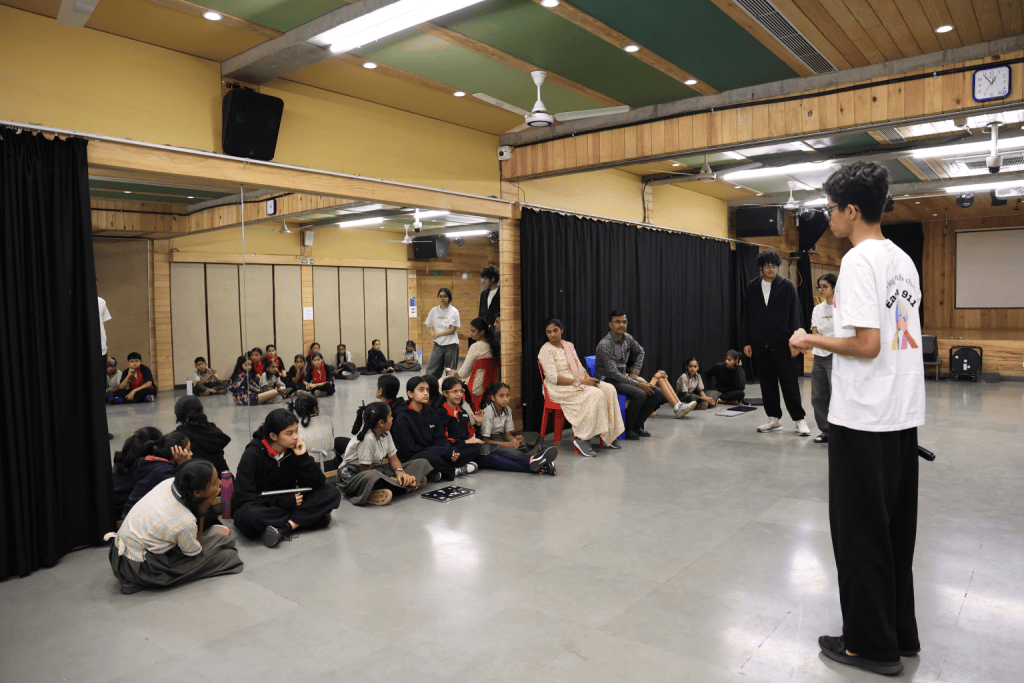
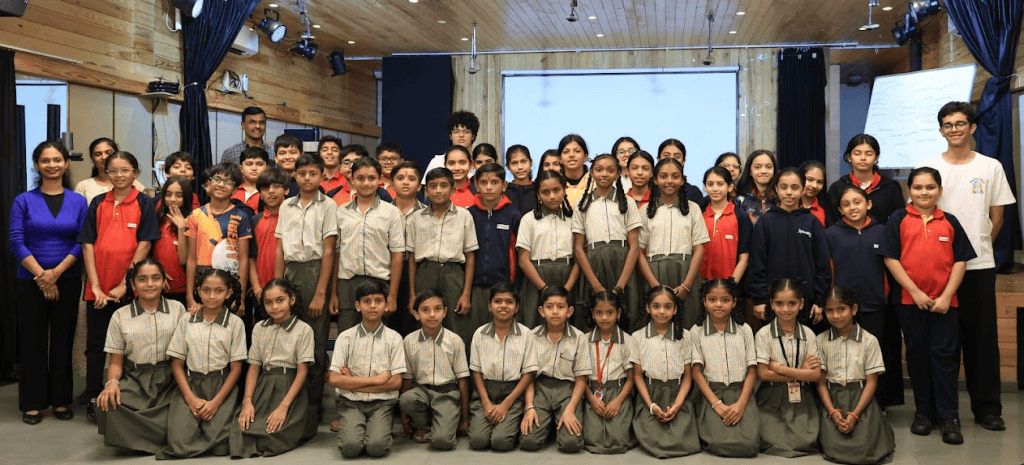
For this cas experience , I took up a digital literacy session for government school students aimed at improving their access to and understanding of basic technology. The session had introduction to digital devices like laptops and was based on teaching these students about highly important digital skills like using google docs, google sheets, sending emails, and the basic settings of the laptop one must know about. These skills are highly vital in the digital era. This experience was in relation with SDG 4: Quality Education, as it focused on reducing the lack of digital knowlege and provided learning opportunities
LO1 – Identify own strengths and develop areas for growth
Through this CAS experience, I identified my strength in explaining complex concepts in a clear and simple manner as they would not understand the jargon we normally use. Teaching students with limited access to digital devices required being calm and being adaptable which helped me improve my communication skills. I also learned that I need to work on my public speaking skills as I noticed I felt anxious when on the stage and when everyone was listening to me. I can work on my confidence to master future sessions like these.
LO2 – Demonstrate that challenges have been undertaken, developing new skills
A major hurdle was teaching digital skills to children who were not exposed to basic technology. To overcome this, I adapted my teaching style by slowing down, using analogies like connecting brightness to a torch, volume to a speaker, and basically tailoring the session so they can grasp well. This experience helped me develop new skills in problem-solving, communication, and adaptabiliy. I demonstrated how even big challenges like understandability barriers can be easily overcome
LO3 – Demonstrate how to initiate and plan a CAS experience
I had participated in initiating and planning this session. Before conducting it, we decided what digital skills would be most beneficial for the students. We designed the session step by step, starting with basic intro to devices and then moving to features and applications like making google documents and spreadsheets. We also planned time allocation and divided responsibilities before the session to ensure smooth execution. This procedure helped me understand the importance of preparation, organisation, and setting realistic goals.
LO4 – Show perseverance and commitment in a CAS experience
The session required sustained effort and commitment. Despite initial nervousness and confusion among students, I remained patient and continued explaining concepts until they understood. Some students needed guidance, especially while typing or navigating applications, but I made sure that no one felt left behind or wasn’t able to keep up. My commitment to ensuring every student grasped the basics reflected perseverance and dedication to the purpose of the session.
LO5 – Demonstrate skills and benefits of working collaboratively
This service experience involved working collaboratively with other volunteers to conduct the session efficiently. I took this session with a friend where we divided responsibilities and objectives. And we divided students into groups, one taken by me and one by my friend. This showed how we worked together to achieve a common goal and take a fruitful session.
LO6 – Engagement with issues of global significance
This CAS activity engaged directly with the global issue of access to quality education, as outlined in SDG 4. The current modern world is heavily dependent on technology, and lack of technological skills can reduce educational and future opportunities. By teaching vital digital skills, this service experience
LO7 – Recognise and consider the ethics of choices and actions
During the session, I considered the ethical responsibility involved in teaching technology to students with limited access. We ensured that digital tools were introduced in a respectful and responsible manner, emphasising appropriate usage. This experience increased my awareness of how ethical choices in education can influence equality and opportunity.
Conclusion
Overall, this CAS service experience was meaningful and impactful, as it allowed me to contribute to a real-world issue while developing important personal, collaborative, and ethical skills. The experience reinforced the importance of service that addresses global challenges and highlighted how digital literacy can empower individuals and support long-term educational development.