CAS Trip
Our CAS trip to Mokhamal was much more than just a school excursion. It became an opportunity to step outside my comfort zone, connect with a community very different from my own, and understand how creativity, physical effort, and service can work together to create meaningful experiences. Throughout the journey, I actively participated in a trek, painted a villager’s home using traditional Warli art, and donated essential items to children at the local school. Each activity taught me valuable lessons that extended beyond the classroom.
Activity – Trekking Through Nature
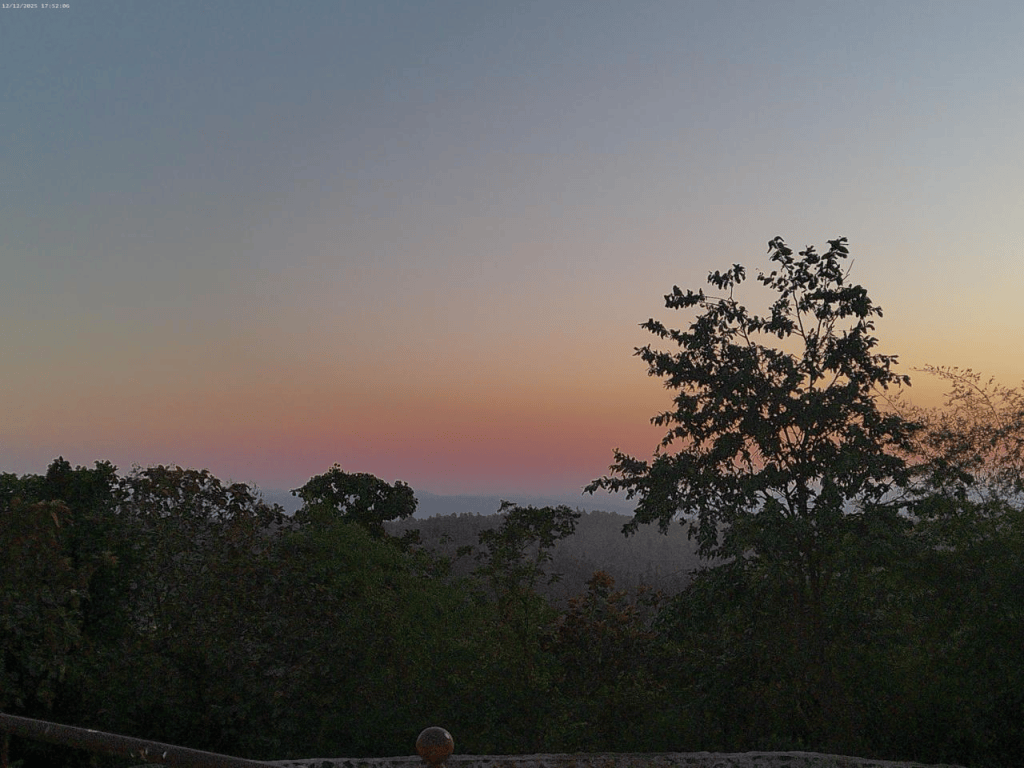
The trek was physically demanding, especially with the uneven terrain and changing weather conditions. At first, I underestimated the endurance and determination required, but as I continued, I realized that perseverance and a positive mindset were just as important as physical fitness. Reaching the destination gave me a strong sense of accomplishment and reminded me that challenges often become rewarding when approached with patience and resilience. This experience helped me recognize my own strengths while identifying areas where I can continue improving my stamina and confidence during outdoor activities.
Creativity – Preserving Culture Through Warli Art
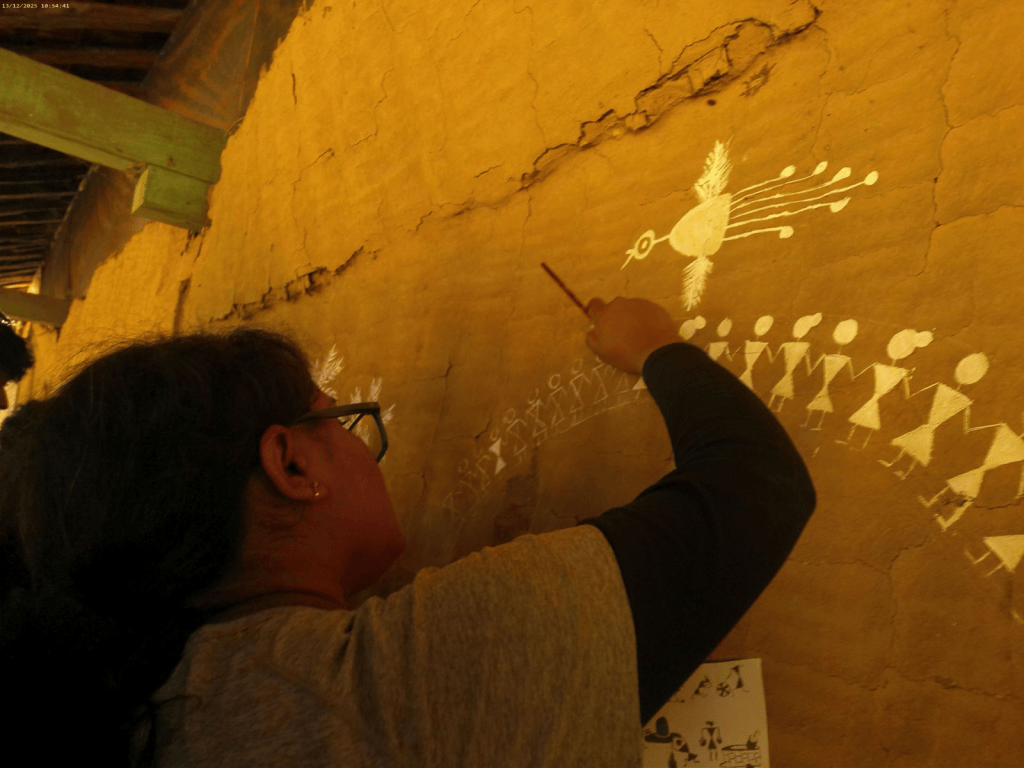
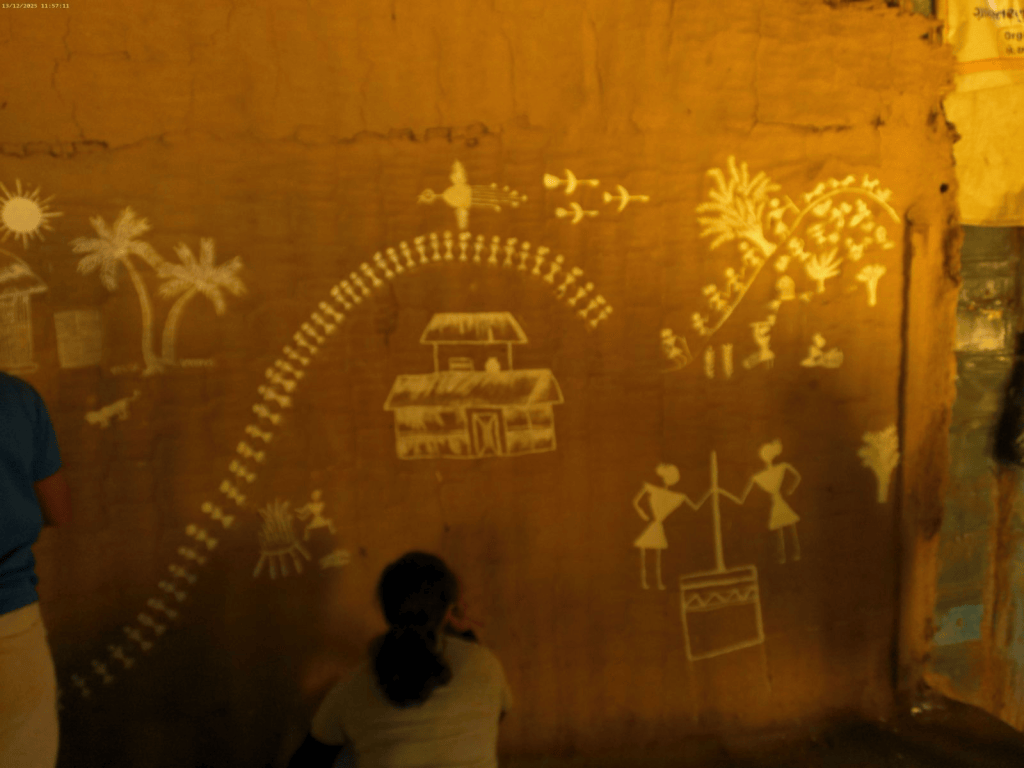
Painting a villager’s house with traditional Warli art was one of the most memorable parts of the trip. Before beginning, I learned about the cultural significance of Warli paintings and how simple geometric patterns can represent everyday village life, traditions, and harmony with nature. Working alongside my classmates required creativity, teamwork, and attention to detail. We wanted our artwork to respect the cultural tradition while bringing new life to the home. Seeing the completed painting made me appreciate how art can preserve cultural heritage while creating meaningful connections between people. This activity encouraged me to explore artistic expression in a way that also respected local traditions and values.
Service – Giving Back to the Community
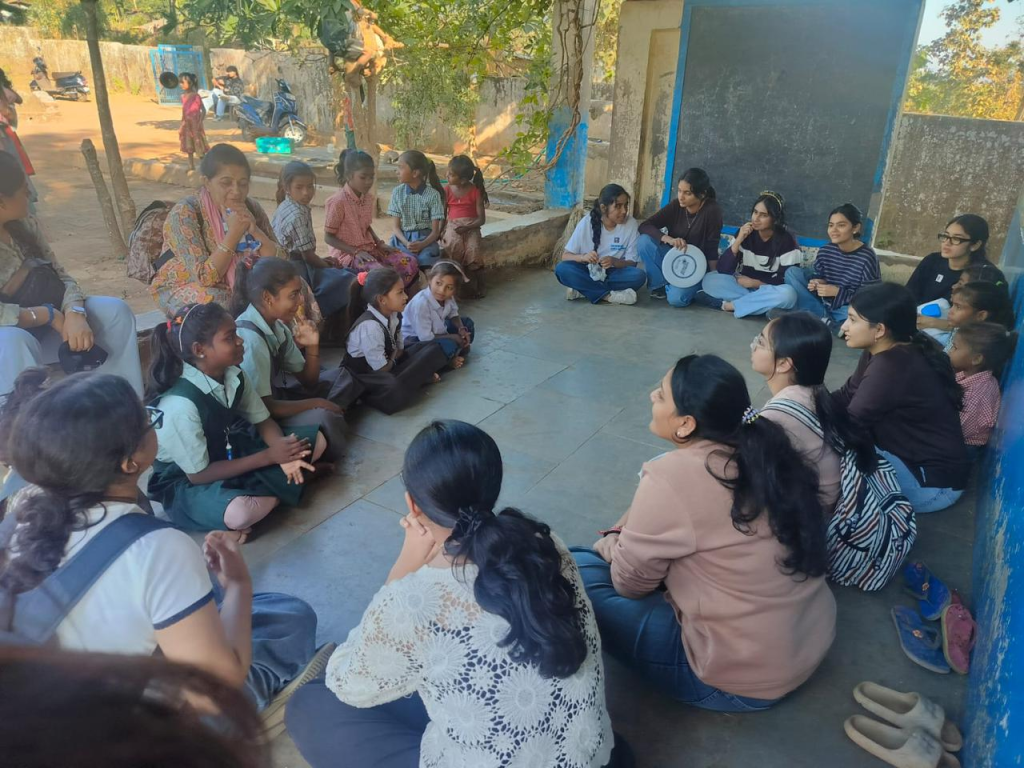
Visiting the local school and donating essential supplies to underprivileged children was a humbling experience. What touched me most was not the act of giving itself, but the genuine gratitude and happiness expressed by the children. Their smiles reminded me that acts of kindness do not always require grand gestures; even small contributions can positively impact someone’s life. This experience challenged me to think more deeply about social inequality and my own responsibility as a global citizen. It inspired me to continue looking for opportunities to contribute to my community beyond the requirements of CAS.
Connecting My Experience to the CAS Learning Outcomes
LO1: Identify own strengths and develop areas for growth
The trek showed me that I am determined and adaptable when faced with physical challenges, while also highlighting the importance of improving my endurance and confidence in outdoor activities.
LO2: Demonstrate that challenges have been undertaken, developing new skills in the process
Learning Warli art techniques and completing a demanding trek pushed me outside my comfort zone. I developed new artistic skills, improved teamwork, and strengthened my resilience.
LO3: Demonstrate how to initiate and plan a CAS experience
Although many aspects of the trip were organized by the school, I actively planned my participation by preparing for the trek, understanding the purpose of the service activity, and ensuring I could contribute effectively during the painting project.
LO4: Show commitment to and perseverance in CAS experiences
Despite physical fatigue during the trek and the patience required while painting detailed artwork, I remained committed to completing every activity to the best of my ability.
LO5: Demonstrate the skills and recognize the benefits of working collaboratively
Every activity depended on teamwork. Whether supporting one another during the trek, coordinating our Warli painting, or organizing the donation process, collaboration helped us achieve outcomes that would have been difficult individually.
LO6: Demonstrate engagement with issues of global significance
The visit made me reflect on educational inequality and unequal access to resources. It strengthened my understanding that communities everywhere face different challenges and that responsible global citizenship begins with empathy and action.
LO7: Recognize and consider the ethics of choices and actions
While serving the community, I understood the importance of respecting the villagers’ culture and maintaining their dignity. The goal was not simply to provide help but to engage respectfully, appreciate their traditions, and ensure our actions created a positive and meaningful impact.
The Mokhamal CAS experience reminded me that learning extends far beyond textbooks. Physical challenges built resilience, creative expression strengthened my appreciation for cultural heritage, and community service deepened my empathy and sense of social responsibility. Most importantly, I realized that meaningful change begins with a willingness to participate, collaborate, and care for others. I returned home not only with memories but also with a greater appreciation for community, culture, and the importance of using my abilities to make a positive difference wherever possible.