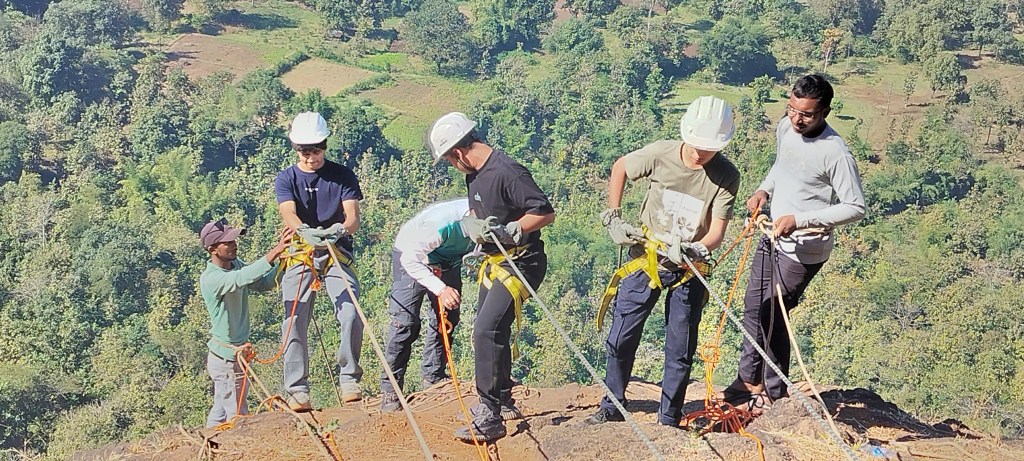
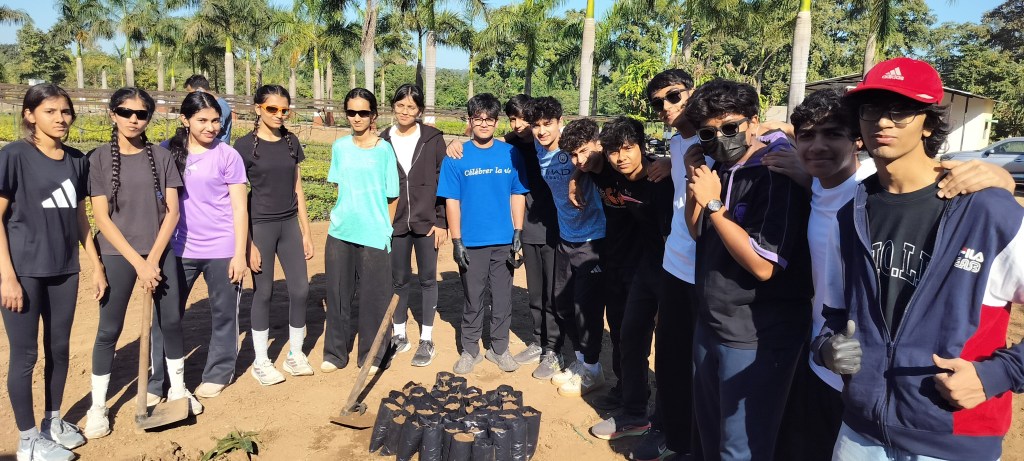
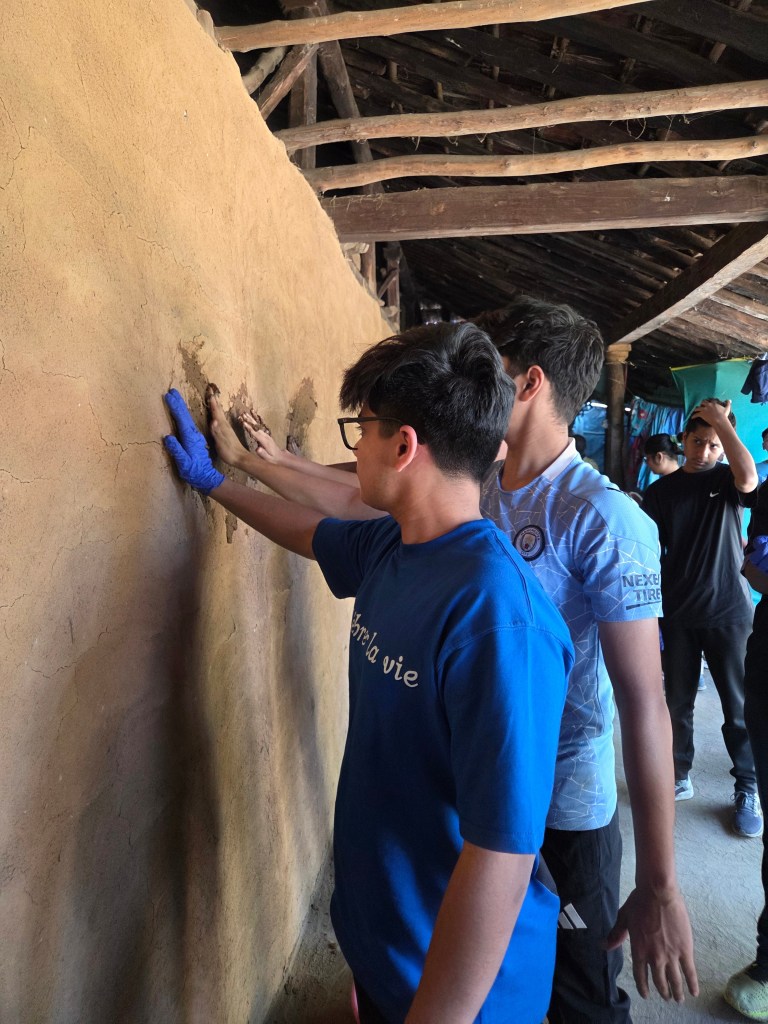
The Rural Immersion Trip was one of the most meaningful experiences of my CAS journey. It gave me the opportunity to step outside my usual environment and experience the daily lives of people in a rural community. Instead of learning about rural development from textbooks, I was able to interact directly with community members, observe their way of life, and understand the challenges they face.
During the trip, I participated in various community activities alongside my classmates. We worked together to support local initiatives, interact with residents, and learn about their traditions, culture, and livelihoods. Although the living conditions were very different from what I am accustomed to, adapting to these circumstances taught me resilience and flexibility. It also helped me appreciate the resources and opportunities that I often take for granted.
One of the biggest challenges I faced was communicating effectively with community members and adjusting to a completely different lifestyle. At first, I felt uncertain about how to interact respectfully and meaningfully. However, as the days progressed, I became more confident, learned to listen carefully, and realized that empathy and kindness can overcome many communication barriers. Working closely with my peers also strengthened my teamwork and collaboration skills, as we depended on one another to complete activities successfully.
This experience also deepened my understanding of global issues such as inequality, access to education, sustainable development, and the importance of community support. Seeing these challenges firsthand made me reflect on my own responsibilities as a global citizen and inspired me to think about how small actions can contribute to positive change.
The Rural Immersion Trip helped me develop many IB Learner Profile attributes. I became more caring by understanding the needs of others, more open-minded by appreciating different perspectives and cultures, more communicative through meaningful interactions, and more reflective by considering how the experience changed my outlook on life. I also learned the importance of acting principled, respecting local customs, and making ethical decisions throughout the trip.
Overall, this CAS experience was much more than a service activity—it was a journey of personal growth. It challenged me to leave my comfort zone, work collaboratively with others, and develop a greater appreciation for diverse communities. The lessons I learned will continue to influence the way I approach service, leadership, and my role in creating a more inclusive and sustainable world.
- LO1: Identified my strengths in communication and adaptability while recognizing areas for personal growth.
- LO2: Undertook new challenges by adapting to rural living conditions and developing interpersonal skills.
- LO4: Demonstrated commitment and perseverance by actively participating throughout the immersion.
- LO5: Worked collaboratively with classmates and community members to achieve common goals.
- LO6: Engaged with global issues such as inequality, education, and sustainable development.
- LO7: Reflected on the ethics of service, cultural respect, and the impact of my actions on the community.