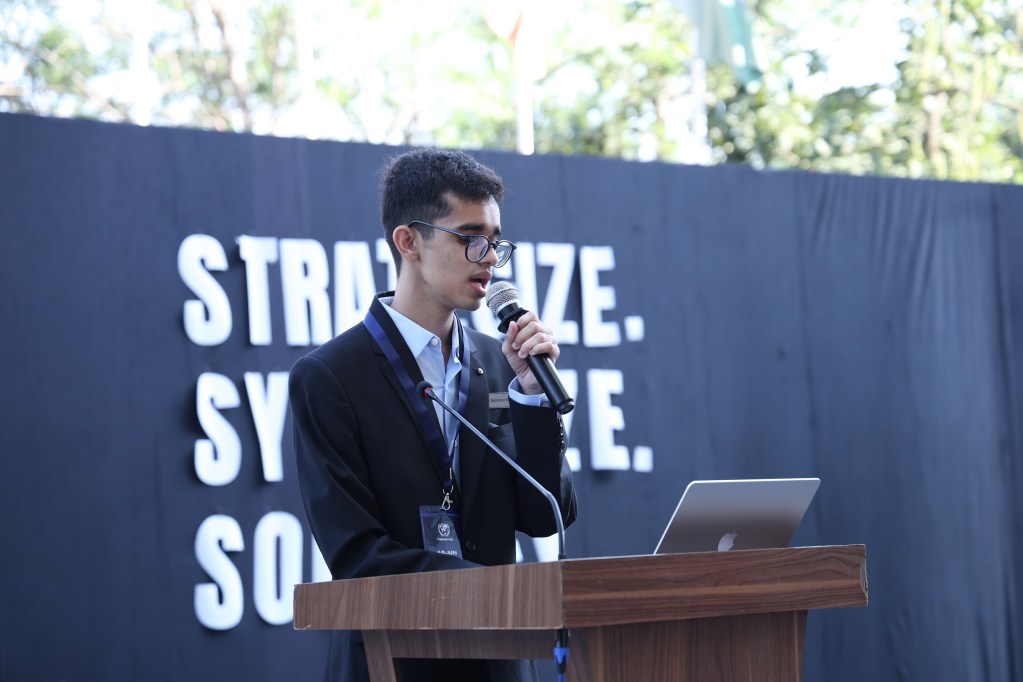
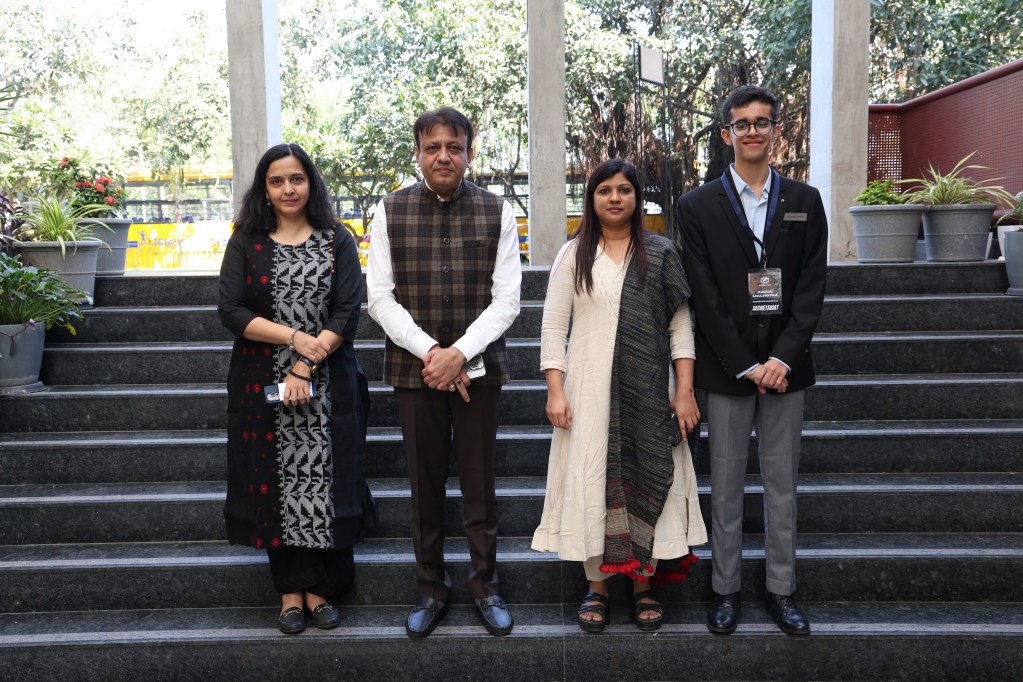
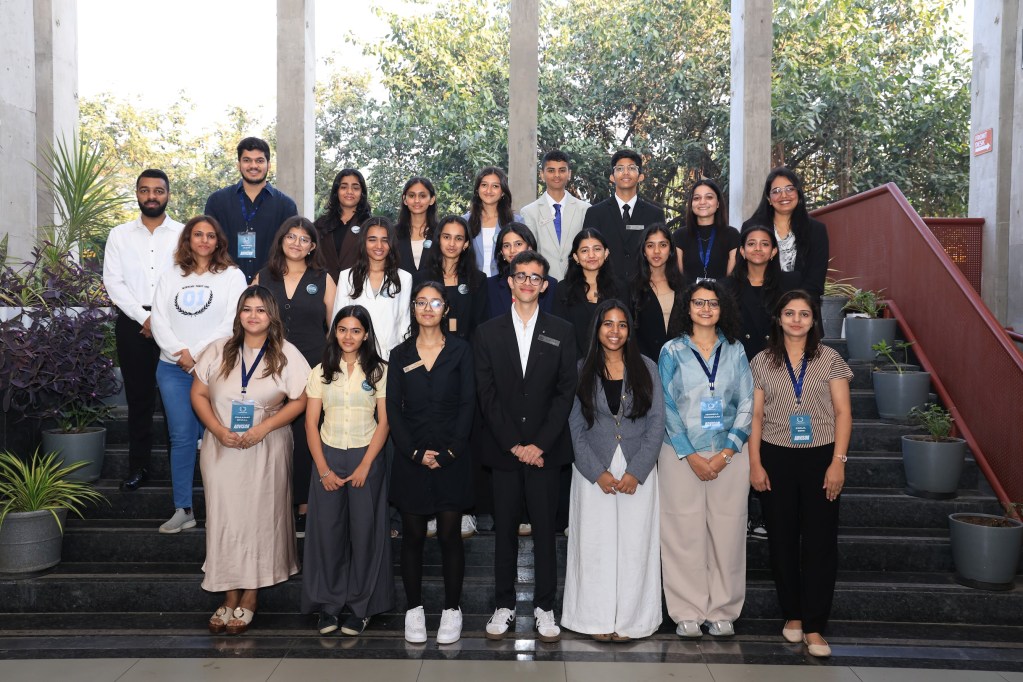
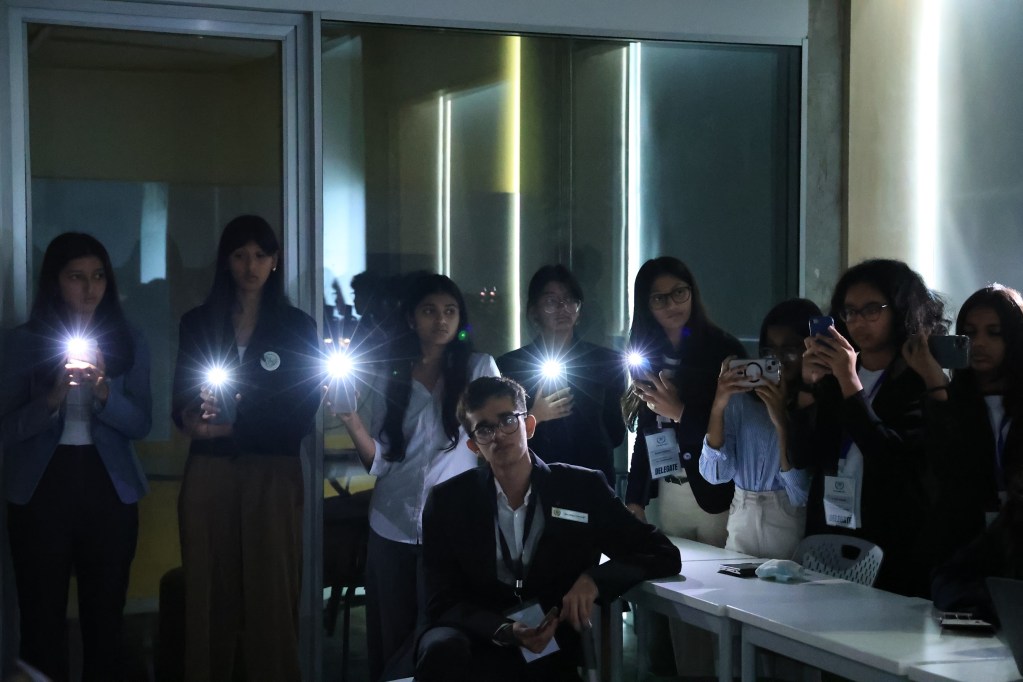
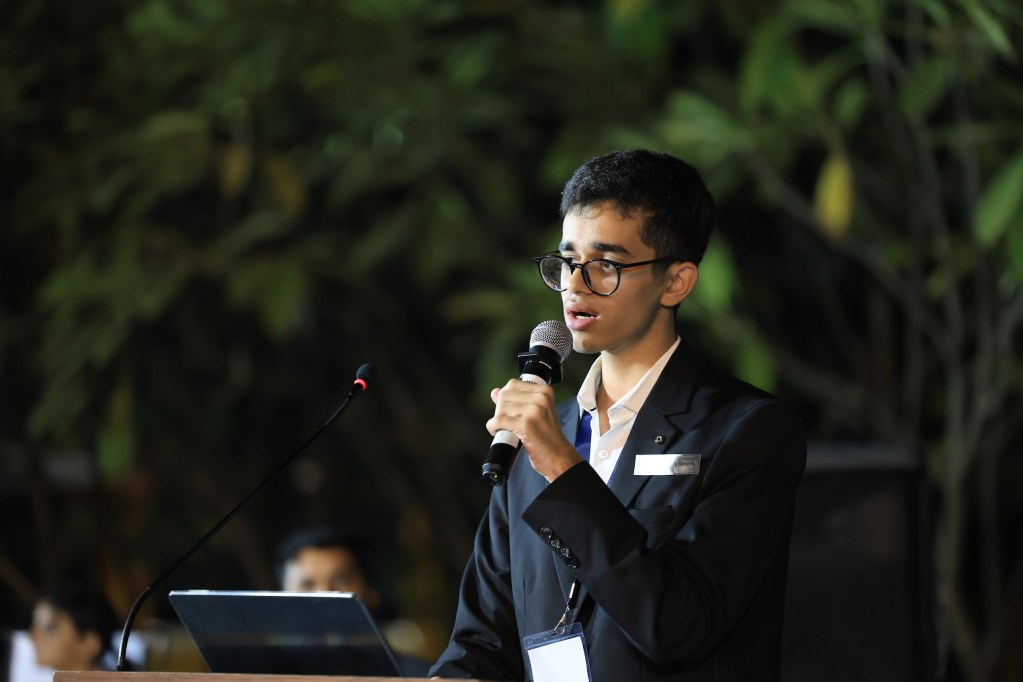
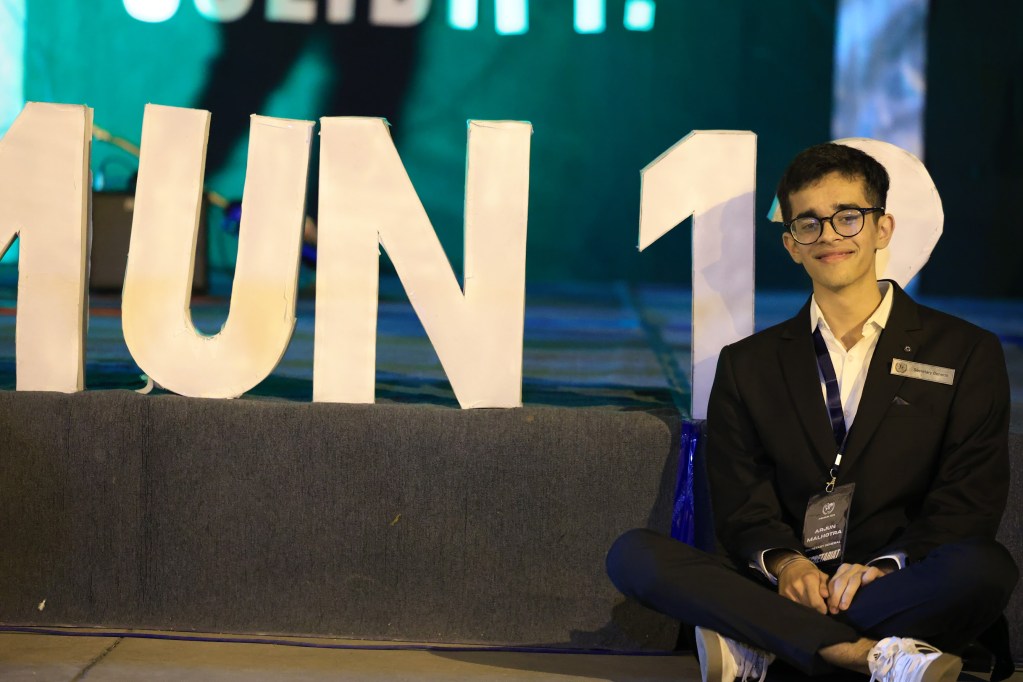
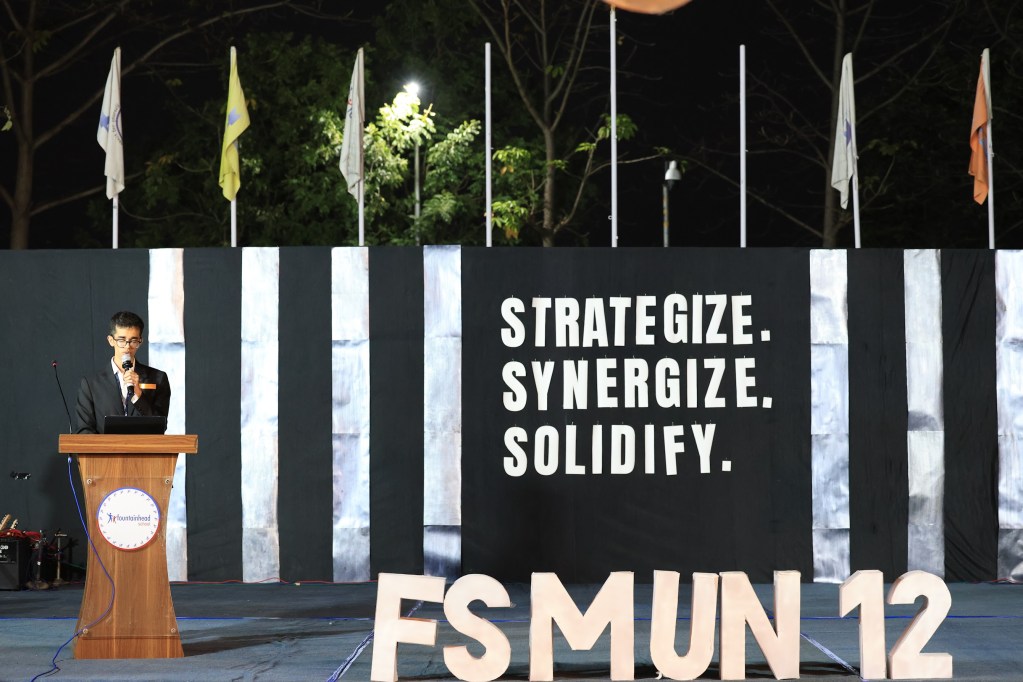
Serving as the Secretary-General for the 12th edition of FSMUN was one of the most defining leadership experiences of my school journey. My involvement with FSMUN began years ago as a first-time delegate, captivated by diplomacy, research, and debate. What started as curiosity evolved into a deep passion — leading me to attend several conferences, earn awards, mentor younger students, and eventually take on the responsibility of leading the very conference where my MUN journey began. As Secretary-General, my vision extended beyond organizing a well-run event — I wanted to create a platform where students could engage thoughtfully with global issues, experience the power of informed dialogue, and gain confidence through leadership and collaboration.
FSMUN 12.0 grew into a large-scale student-led initiative, involving months of planning, complex coordination, and continuous problem-solving. I worked to preserve the conference’s legacy, while also elevating its standard of academic rigor and operational excellence. The following reflection outlines my development across all CAS learning outcomes during this experience.
Learning Outcome 1 – Identify your own strengths and develop areas for personal growth
From the earliest stages of planning, I realized the sheer scale of the event demanded strong organization, strategic thinking, and the ability to coordinate multiple departments simultaneously. One of my greatest strengths throughout the process was my ability to set a clear vision and break it down into tangible goals and timelines. I naturally took initiative in structuring work processes, creating planning systems, organizing meetings, and making sure every department understood expectations and deliverables. I also found myself confident in guiding discussions, resolving confusion quickly, and motivating the team during challenging phases.
However, this experience also revealed areas where I needed to grow. Initially, I tried to be involved in every decision, assuming that close monitoring would produce the best results. Instead, this led to delays and occasional miscommunication because I unintentionally became the bottleneck. Recognizing this pattern required self-reflection and humility. I learned to delegate meaningfully, trust my team, and step back from a department where I had limited expertise — Decorations. By empowering department heads and communicating my expectations clearly, I strengthened both my leadership style and team efficiency. This balance between leveraging my strengths and addressing my growth areas allowed me to evolve into a more composed, trusting, and strategic leader.
Learning Outcome 2 – Demonstrate that challenges have been undertaken, developing new skills in the process
FSMUN 12.0 was far from a smooth, linear journey — it was defined by problem-solving, resilience, and adaptation. One of the biggest challenges emerged early on when registration numbers remained unexpectedly low despite our reputation and history. With a target of 300+ delegates, seeing minimal initial sign-ups was disheartening and created genuine concern about whether we could achieve our goals. Instead of panicking, the Secretariat and I brainstormed creative strategies — personal outreach to schools, digital engagement campaigns, campus promotions, and delegate referral incentives. Gradually, registrations picked up, and after weeks of steady, focused effort, we surpassed our target — culminating in a remarkable footfall of 317 delegates, the highest any edition has ever achieved.
Managing simultaneous responsibilities across multiple verticals posed another challenge. Logistics, communications, budgeting, hospitality, executive board coordination, and crisis-management all required attention. At times, unexpected complications emerged — technical glitches, last-minute withdrawals, scheduling conflicts, and moments of pressure between student teams and faculty supervisors. These experiences strengthened my ability to multitask, mediate respectfully, negotiate calmly, and make decisions even when time-sensitive issues arose. I learned to stay composed, think analytically under pressure, and respond to crises with maturity — skills that will support me far beyond this project.
Learning Outcome 3 – Demonstrate how to initiate and plan a CAS experience
The planning phase for FSMUN was extensive and strategic. Preparation began months in advance, and every element — logistics, communication systems, financial structure, and marketing — needed clarity and order. I initiated planning cycles by creating structured task lists, establishing deadlines, setting up communication channels, and building a centralized online drive to store agendas, budgets, templates, and promotional content. Weekly core-team sync-ups ensured that we reviewed progress regularly, re-allocated responsibilities when necessary, and addressed challenges early before they escalated.
In addition to operational planning, I also ensured alignment with the conference’s educational purpose. I collaborated with faculty advisors to finalize committee agendas, approve executive board decisions, confirm UN-aligned themes, and ensure academic rigor. Every aspect — from logistics to learning — required thoughtful planning. Through this process, I learned not only how to build an organized and sustainable project structure but also how to anticipate needs, manage timelines, and maintain accountability across diverse teams.
As part of the Activity strand of CAS, I also contributed to hands-on preparations, particularly in the Decorations department. This included cutting papers, designing and creating placards, and assisting with setup for the conference venue. Although these tasks were physically demanding and required attention to detail, they allowed me to directly support the event’s execution, collaborate with other volunteers, and gain practical insights into the behind-the-scenes efforts necessary to run a large-scale conference.
Learning Outcome 4 – Show commitment to and perseverance in CAS experience
FSMUN required unwavering commitment. For nearly four months, I consistently prioritized this project alongside academics and other responsibilities. I came early to school for meetings, stayed back after classes, scheduled working sessions on weekends, and spent evenings addressing pending tasks. There were moments of fatigue, stress, and doubt — particularly during conflicting deadlines and intense phases of planning — yet I remained dedicated to the vision and trusted the process.
Even after the event concluded, I remained involved in wrap-up tasks, gratitude communications, financial reviews, feedback collection, and documentation. This sustained commitment reflected not only my sense of responsibility but also my belief in the impact of the conference. Perseverance wasn’t just about completing the project — it was about carrying it with pride and ensuring that every aspect was concluded properly and with integrity.
Learning Outcome 5 – Demonstrate the skills and recognize the benefits of working collaboratively
FSMUN was a testament to the power of teamwork. No single individual could have managed the magnitude of this conference — its success was collective. I worked closely with Secretariat members, faculty mentors, volunteers, and student coordinators, ensuring that everyone had clarity, autonomy, and support. I encouraged open communication, sought input before decisions, and facilitated discussions when disagreements arose.
Throughout the planning and execution phases, we maintained shared communication platforms to ensure real-time assistance and smooth coordination during the conference. Whether it was a logistics change, a technical need, or an unexpected delegate request, team members stepped in quickly and reliably. Leading a collaborative effort of this scale taught me how shared responsibility builds efficiency, how listening strengthens decisions, and how mutual trust builds a positive, productive environment. I learned that leadership is not about control — it is about empowering others and working alongside them toward a common goal.
Additionally, as part of the Service strand of CAS, I took initiatives to reduce waste and promote sustainability. I actively encouraged participants to take only as much food as they would consume to minimize wastage, and after the event, I collected unused stationery from delegates to be reused in future conferences rather than discarded. These actions reflected my commitment to social responsibility, ethical practice, and service to the school community.
Learning Outcome 6 – Demonstrate engagement with issues of global significance
Model United Nations is inherently rooted in global relevance — from climate diplomacy to humanitarian aid, peace-building, and equity-driven governance. As Secretary-General, I felt a strong responsibility to ensure that committees reflected real-world priorities and encouraged meaningful learning. I reviewed UN frameworks, SDGs, and contemporary geopolitical case studies while curating agendas. I engaged with debates on development, rights, conflict, and sustainability, and supported academic integrity throughout the design of briefing documents and committee policy.
By facilitating an environment where young voices deliberated on global conflicts, ethical leadership, and international cooperation, I contributed to building awareness and global responsibility among students. This experience deepened my own understanding of international institutions and reinforced my belief that youth engagement in global affairs is not optional — it is essential.
Learning Outcome 7 – Recognize and consider the ethics of choices and actions
Ethical considerations guided my decision-making throughout the conference. I ensured fairness in executive-board appointments, transparent registration processes, unbiased recognition of delegates, and responsible budget handling. Whenever disagreements emerged — whether between students or between students and faculty — I made decisions based on equity, respect, and collective benefit.
I practiced confidentiality when needed, sought consent before sharing delegate information, and maintained professionalism in communication. I also consciously avoided favoritism, ensured equal opportunity for participation, and promoted a culture of respect and inclusivity. Reflecting on my actions, I recognize that ethical leadership is a deliberate, continuous process — one that demands awareness, honesty, and empathy.
Conclusion
Leading FSMUN 12.0 transformed me as a student and as a human being. It strengthened my strategic thinking, public-relations skills, crisis management abilities, communication, and collaboration. It taught me how to lead with trust, how to stay grounded in moments of stress, and how to focus not only on outcomes but also on people. Most importantly, it reminded me that impactful leadership is defined not by authority, but by service, empathy, and purposeful action. This experience will remain one of the most meaningful milestones of my CAS journey and my personal growth.