Participating in the Plantation Drive organized by our school was a meaningful experience that helped me understand the importance of environmental conservation and my responsibility toward the community. The goal of the activity was to plant saplings around the neighbourhood park and ensure their maintenance to promote greener spaces and reduce pollution.
Learning Outcome 1: Identify own strengths and develop areas for growth
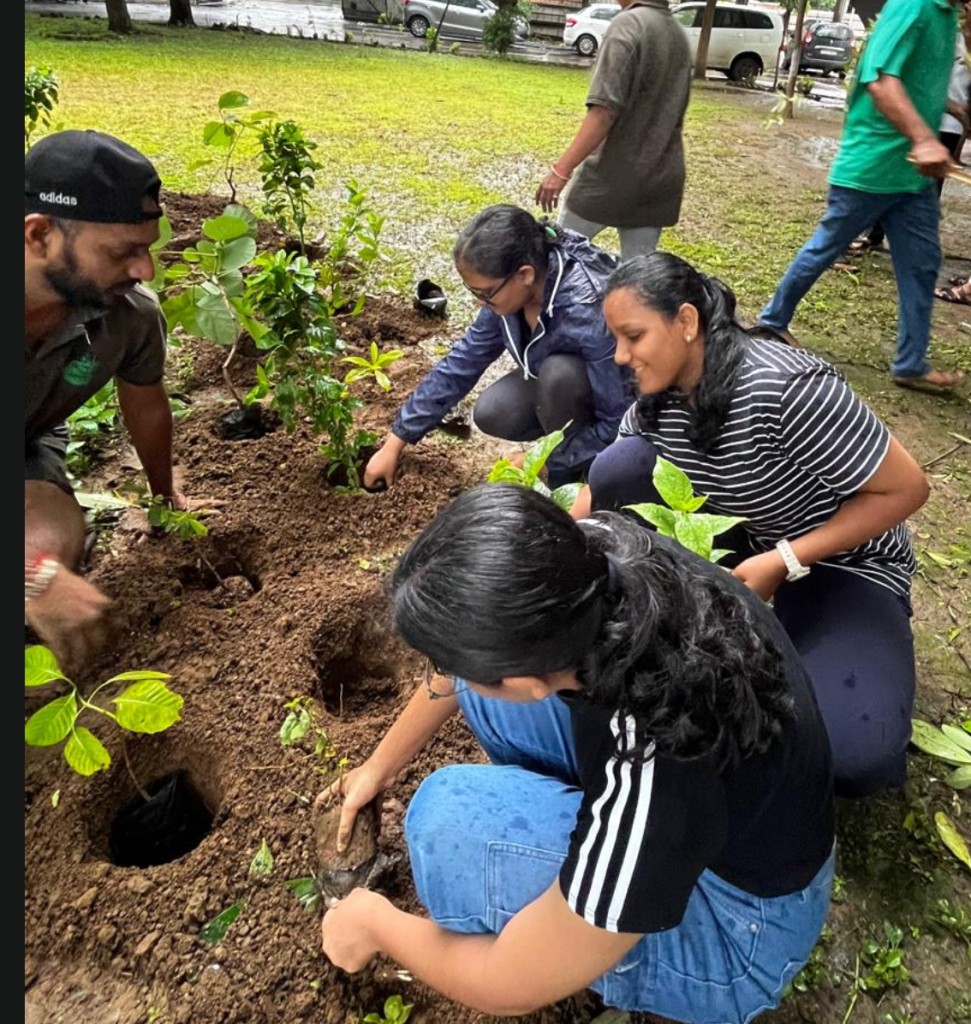
At the start of the plantation drive, I realized that I am good at organizing tasks and coordinating with team members. However, I also recognized that I need to improve my physical stamina because digging soil and planting saplings required more strength and endurance than I expected. This experience showed me areas where I can grow.
Learning Outcome 2: Demonstrate that challenges have been undertaken, developing new skills
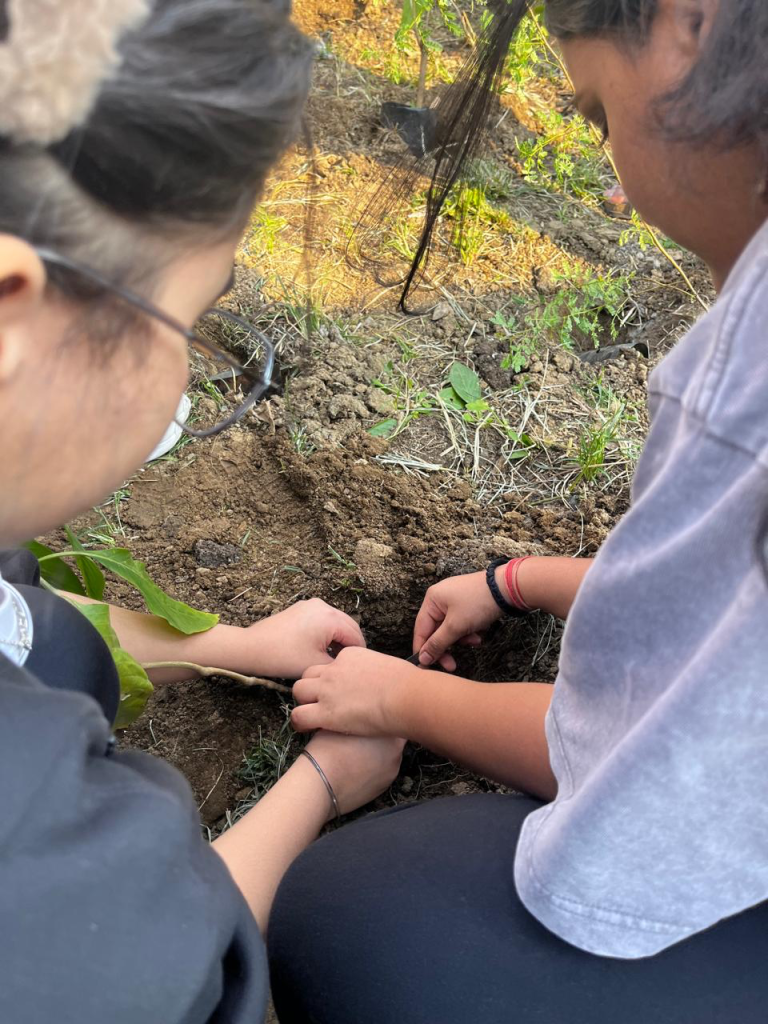
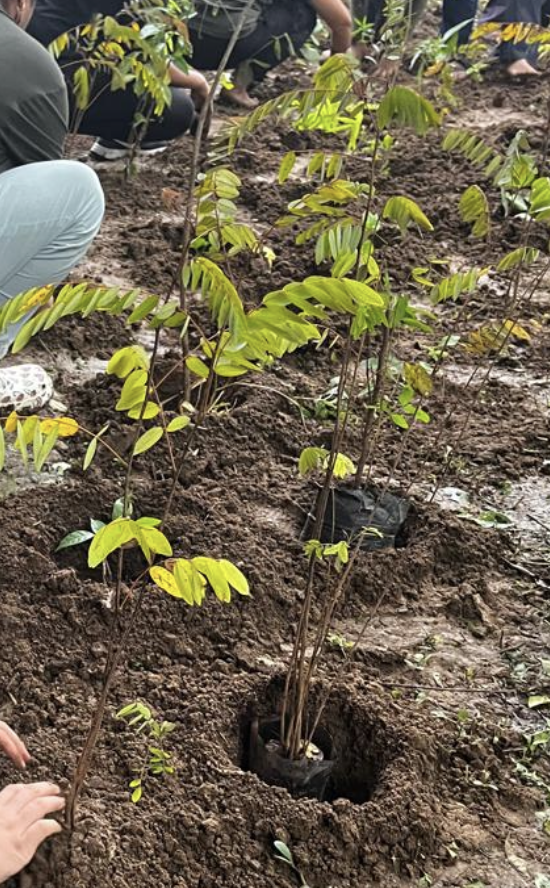
Planting the saplings was not as easy as it appeared. The ground was hard, and we had to dig deep enough holes for the roots to grow. I learned how to properly handle gardening tools and techniques such as spacing, watering requirements, and soil nutrition. Working under the hot sun was physically challenging, but staying committed helped me build resilience.
Learning Outcome 3: Demonstrate how to initiate and plan a CAS experience
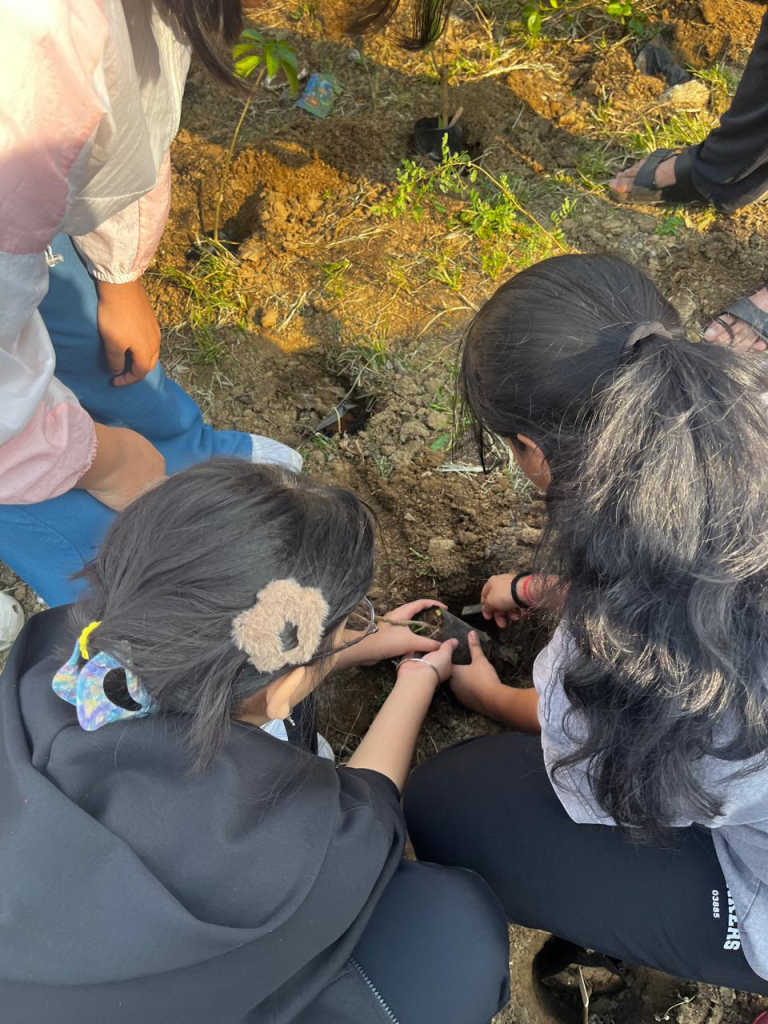
I helped in the planning process by gathering students from different grades and creating a schedule for tool distribution and watering rotation. I also coordinated with our CAS coordinator and the local municipality to arrange saplings and compost. This experience taught me how to take initiative and plan effectively rather than waiting for instructions.
Learning Outcome 4: Show commitment to and perseverance
Plantation is not a one-day task. After planting, we revisited the site weekly to water the plants and check their growth. Even when we had exams, a few of us ensured that the plants received proper care. This persistence helped me understand the importance of responsibility beyond initial enthusiasm.
Learning Outcome 5: Demonstrate skills and recognise benefits of working collaboratively
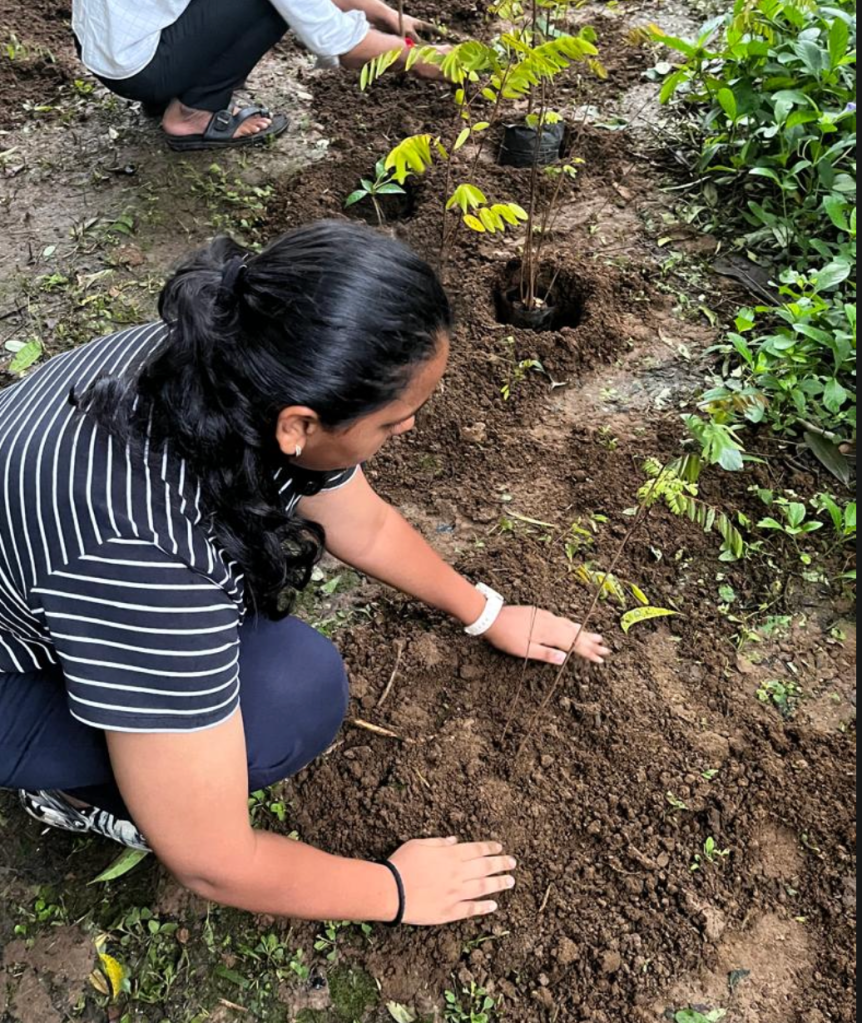
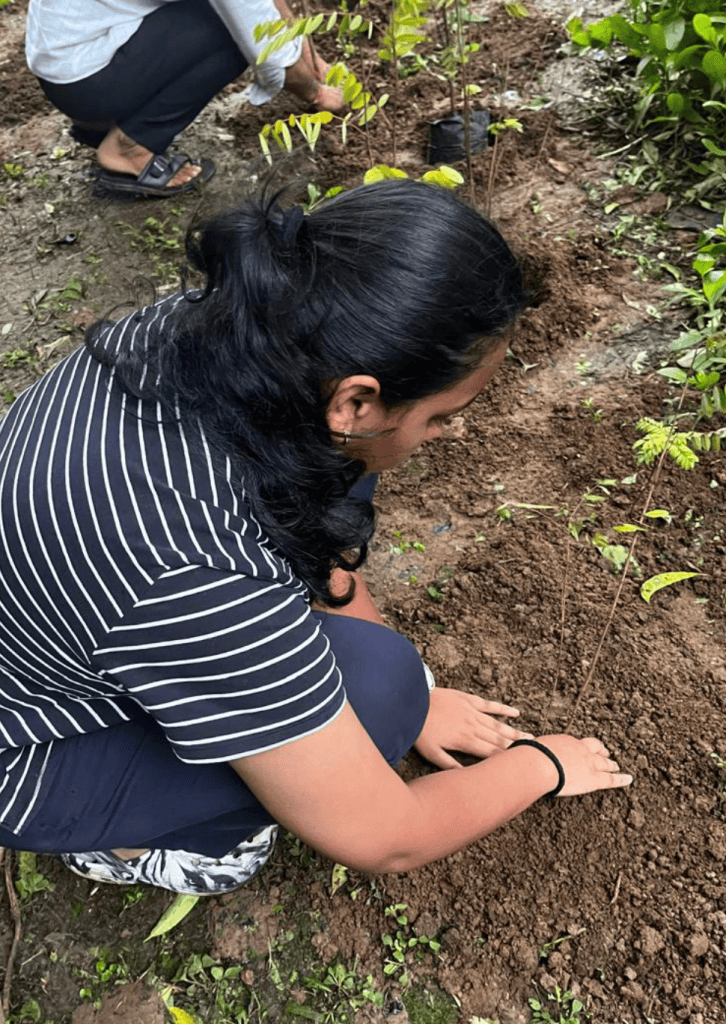
Working together made the drive successful. We divided responsibilities such as digging, planting, labeling, and logistics. Through teamwork, we were able to plant more saplings in a shorter time. I understood that collaboration increases efficiency and also builds trust and respect among team members.
Learning Outcome 6: Engagement with issues of global significance
Deforestation, climate change, and air pollution are global issues affecting millions of people. Through this experience, I realised the significance of local action toward global improvement. Planting trees helps absorb carbon dioxide, improve air quality, and create habitats for wildlife. Even small actions can contribute to solving global environmental problems.
Learning Outcome 7: Recognise and consider the ethics of choices and actions
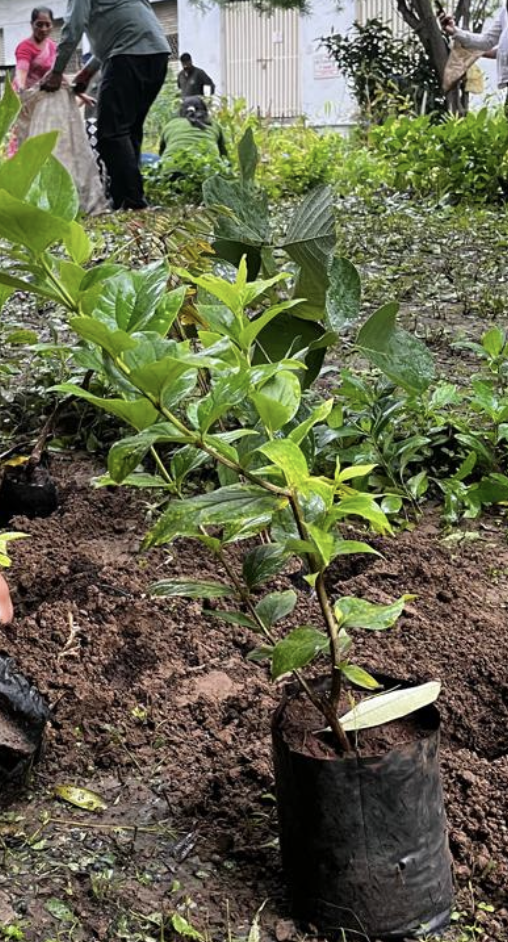
While planning the drive, we discussed the ethical responsibility of planting native species rather than non-indigenous plants that might harm the ecosystem. We also ensured no damage was done to existing plants and that the area remained clean. This experience helped me understand the importance of thinking ethically before acting.
Conclusion
Overall, the plantation drive was an inspiring and rewarding experience. I not only contributed to a greener environment but also grew personally through teamwork, planning, and perseverance. The experience reinforced my belief that community service is meaningful when followed by long-term responsibility. I hope to continue participating in more environmental initiatives in the future.