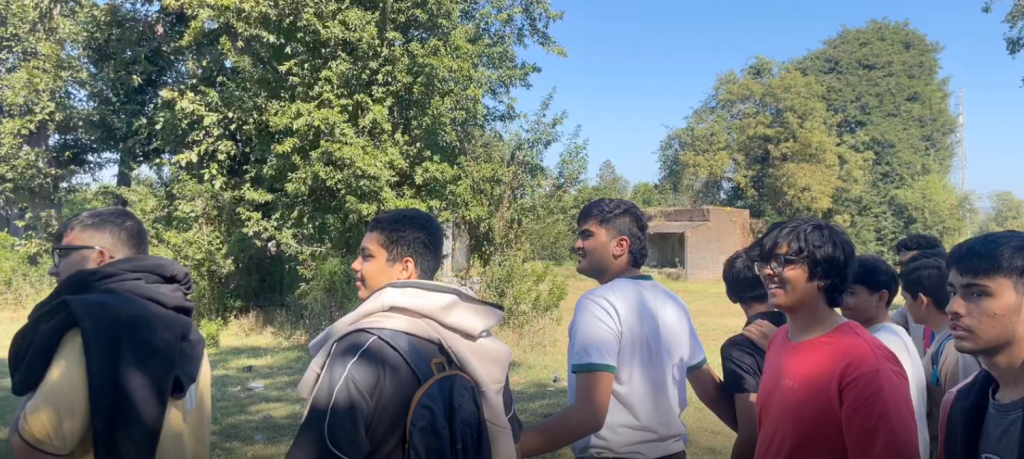
LO1 – Identify Own Strengths and Areas for Growth
During this rural immersion experience, I identified my strengths in adaptability, teamwork, and willingness to help others. I was able to actively participate in farming activities, trekking, school cleaning, and community engagement. I also took initiative in sharing basic knowledge about technology where possible.
However, I realized that I need to improve my communication skills, especially when explaining ideas like modern farming techniques to people with different educational backgrounds. I also need to develop stronger leadership skills when working in unfamiliar groups.
LO2 – Demonstrate That Challenges Have Been Undertaken, Developing New Skills
This experience included several physical and mental challenges such as trekking, rock climbing, rappelling, farming work, and participating in village activities. Many of these activities pushed me outside my comfort zone.
Through these challenges, I developed resilience, patience, and problem-solving skills. I also improved my ability to adapt to new environments and learned how to stay positive even in physically demanding situations.
LO3 – Demonstrate How to Initiate and Plan a CAS Experience
During group tasks like wall painting, school cleaning, skits, and farming activities, I contributed to planning and organizing work. My group discussed task distribution, set priorities, and ensured that resources were used effectively.
I also shared ideas related to awareness of modern farming methods and supported discussions on how to present our cultural activities. This helped me understand the importance of planning, coordination, and teamwork in achieving successful outcomes.
LO4 – Show Perseverance and Commitment in CAS Experiences
Throughout the immersion programme, I remained committed despite physical exhaustion from daily activities such as trekking, farming, and long working hours. Even when tasks were tiring, I continued to participate actively and support my group.
My perseverance helped me complete all assigned responsibilities and stay engaged throughout the experience. This taught me the importance of consistency and dedication in service-based learning.
LO5 – Demonstrate Skills and Benefits of Working Collaboratively
Collaboration was essential during all activities, including farming, cleaning, sports, and cultural performances. I worked closely with my peers, shared responsibilities, and supported group decisions.
Through this, I learned the importance of communication, respect, and cooperation. Working together allowed us to complete tasks more efficiently and also helped build stronger relationships within the group. I also contributed by sharing simple ideas related to education and technology when appropriate.
LO6 – Demonstrate Engagement with Issues of Global Significance
This experience helped me understand global issues such as sustainable agriculture, environmental conservation, and food security. Observing farming practices and learning about the impact of natural disasters on crops made me more aware of the vulnerabilities in rural communities.
I also understood how limited access to modern agricultural knowledge, such as greenhouse farming, affects productivity and income. This highlighted the importance of sustainable development and education in addressing global inequality and environmental challenges.
LO7 – Recognize and Consider the Ethics of Choices and Actions
Interacting with villagers helped me reflect on the importance of respecting different lifestyles, traditions, and values. I became more aware of how my actions and attitudes can affect others in a community setting.
I also reflected on ethical responsibility in sharing knowledge, ensuring that any information about technology or farming methods is communicated in a respectful and appropriate way. This experience strengthened my understanding of sustainability, respect, and responsible behavior when working with communities.
Conclusion
The Rural Immersion experience in Padamdungri was a valuable part of my CAS journey. It helped me understand rural challenges, especially in agriculture, while also allowing me to contribute through service and teamwork. I developed important skills such as adaptability, communication, and collaboration, while also gaining awareness of sustainability and global issues.
Overall, this experience strengthened my commitment to helping communities and deepened my understanding of how education, technology, and sustainable practices can support rural development.