A Journey Beyond Comfort Zones
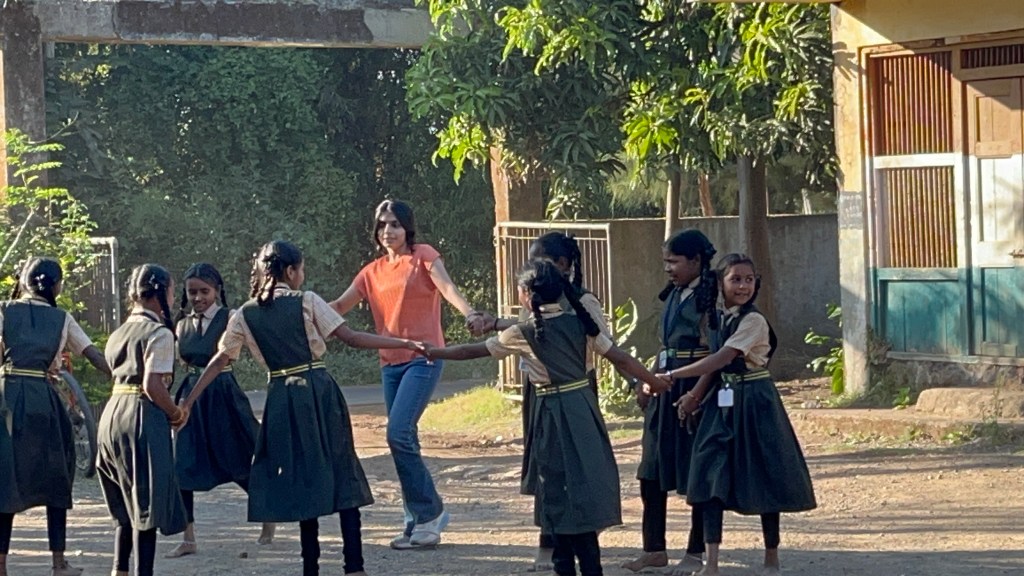
My rural immersion trip to Vansda was not just a school excursion — it was a transformative CAS experience that allowed me to explore creativity, physical challenges, service, collaboration, and self-reflection in real-life contexts. Over six days, I stepped outside my comfort zone and into a community that taught me lessons no classroom could.
LO 1 — Identify Own Strengths and Develop Areas for Growth
During the first day, interacting with village students helped me recognize my communication strengths but also revealed areas for improvement. I noticed that while I was confident initiating conversations, adapting my communication style to overcome language barriers required patience and creativity.
Engaging with younger students made me realize the importance of empathy and active listening — skills I am still developing. Reflection sessions each night helped me evaluate my behavior, reactions, and emotional responses, strengthening my self-awareness.
LO 2 — Demonstrate That Challenges Have Been Undertaken
Farming activities, trekking to Toraniya Dungar, and rock climbing pushed me physically and mentally. Working under the sun on agricultural land was exhausting, yet it built resilience and appreciation for manual labor.
Rock climbing and rappelling were particularly challenging because they required overcoming fear. Standing at a height before descending forced me to confront self-doubt. Completing the activity gave me confidence and reinforced the idea that growth occurs when we embrace discomfort.
LO 4 — Show Commitment and Perseverance in CAS Experiences
Throughout the trip, maintaining energy and enthusiasm was not always easy due to early mornings, physically demanding tasks, and a packed schedule. However, continuing to participate actively — whether in farming, cultural activities, or service sessions — demonstrated perseverance.
Even when tired, I remained committed because I understood the purpose behind the experience. This taught me discipline and responsibility toward group commitments.
LO 5 — Demonstrate the Skills and Recognize the Benefits of Working Collaboratively
Collaboration was essential throughout the immersion. From bamboo craft sessions to preparing performances and participating in community activities, teamwork determined our success.
I learned that effective collaboration involves listening to others’ ideas, resolving conflicts respectfully, and supporting teammates. Shared challenges also strengthened friendships and group cohesion.
LO 6 — Demonstrate Engagement with Issues of Global Significance
Experiences such as visiting farms, learning about forest ecosystems, and observing sustainable rural practices exposed me to global issues like food security, environmental conservation, and rural development.
Understanding how communities depend on natural resources highlighted the importance of sustainability and responsible consumption — challenges faced worldwide.
Our visit to Gira Falls further emphasized the importance of preserving natural environments.
LO 7 — Recognize and Consider the Ethics of Choices and Actions
}
Participating in village life — including cow dung lipan and dining at a local family’s home — encouraged me to reflect on ethical perspectives. I realized how easily urban individuals can form judgments about rural lifestyles without understanding cultural and environmental contexts.
This experience taught me respect for diverse ways of living and reinforced the importance of cultural sensitivity when engaging in service.
Final Reflection — A Transformative CAS Journey
This rural immersion was not about helping others; it was about mutual learning. The villagers demonstrated resilience, gratitude, and community spirit despite limited resources.
I returned with:
- Greater empathy
- Increased confidence
- Stronger teamwork skills
- A deeper appreciation for sustainability
- Personal growth beyond academics
Most importantly, I gained perspective — something that cannot be taught, only experienced.