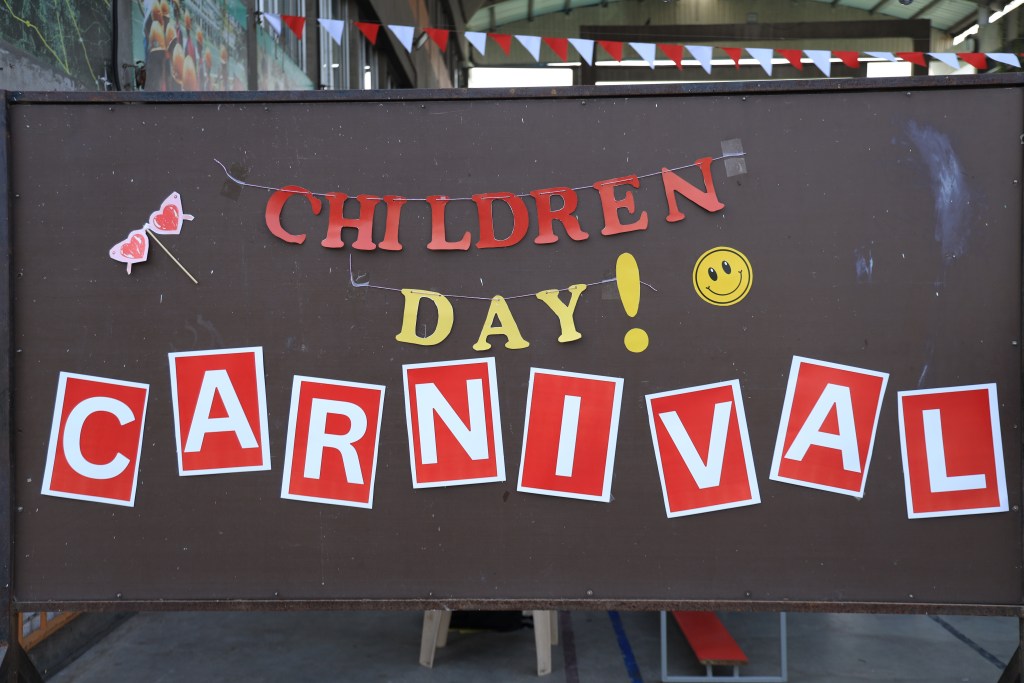
On Children’s Day, my friends and I took part in a specially organised carnival for underprivileged kids, where we set up a hygiene-based activity stall. We spent the day guiding kids through quick puzzles and quizzes that taught fundamental hygiene in a fun and engaging manner, all while being surrounded by smiles and enthusiastic crowds. What seemed like a small initiative quickly turned into a meaningful experience, allowing me to step into new responsibilities while actively engaging with several CAS learning outcomes discussed below.
Learning Outcome 1- Identify own strengths & develop areas for growth
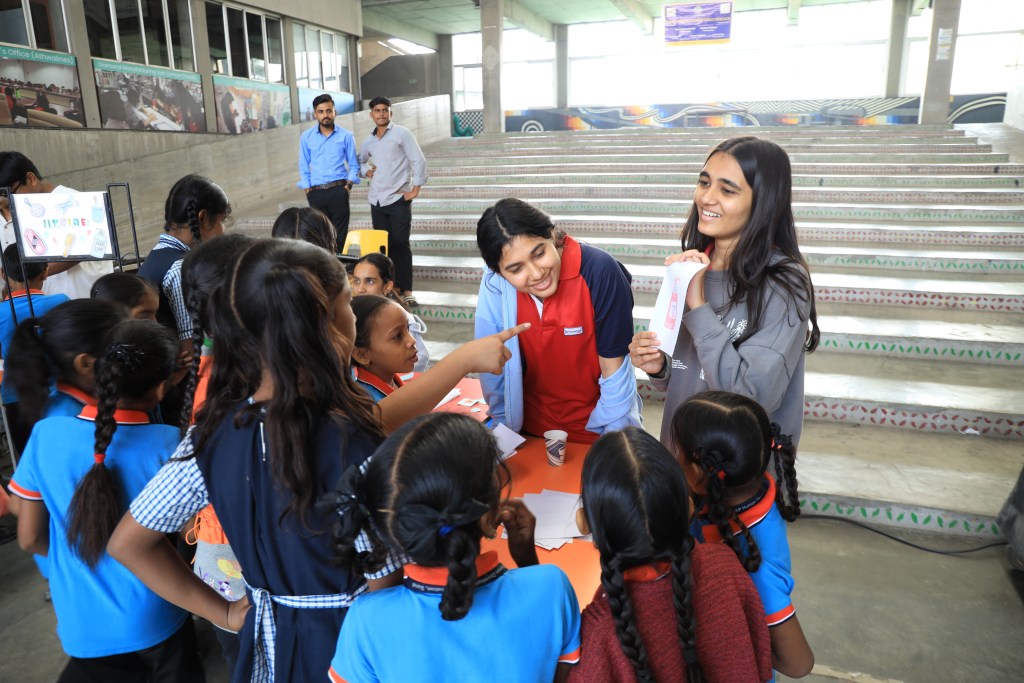
During this activity, I concluded that working in a team is one of my best skills. Working with my two friends, we divided tasks naturally, completed our setup efficiently, and contributed equally throughout the carnival, which made the entire process smooth and on time. I also noticed how comfortably I communicated with the children, not just while guiding them through the puzzles and quizzes, but also while talking to them beyond the games, trying to connect to them even though at times language was a barrier. I realised that a fun crowed is not only created through engaging activities but it also requires a warm and friendly environment, which my team successfully created. At the same time I observed that I could improve my patience and flexibility, particularly when dealing with multiple kids at once or when things got louder and more chaotic. I gained a better understanding of my strengths and areas for improvement as a result of this experience.
Learning outcome 6- Engagement with issues of global importance

This experience allowed me to engage directly with a global issue: the importance of hygiene and its impact on public health. Learning the importance of keeping surroundings clean, maintaining self hygiene, and understanding how germs spread, are essential in preventing illness. It is important that children learn this at an early age, and our stall made it easier by providing simple and enjoyable activities. Additionally, maintaining personal hygiene is the first step towards achieving the goal of a clean community.
Learning outcome 7- Recognize and consider the ethics of choices and actions
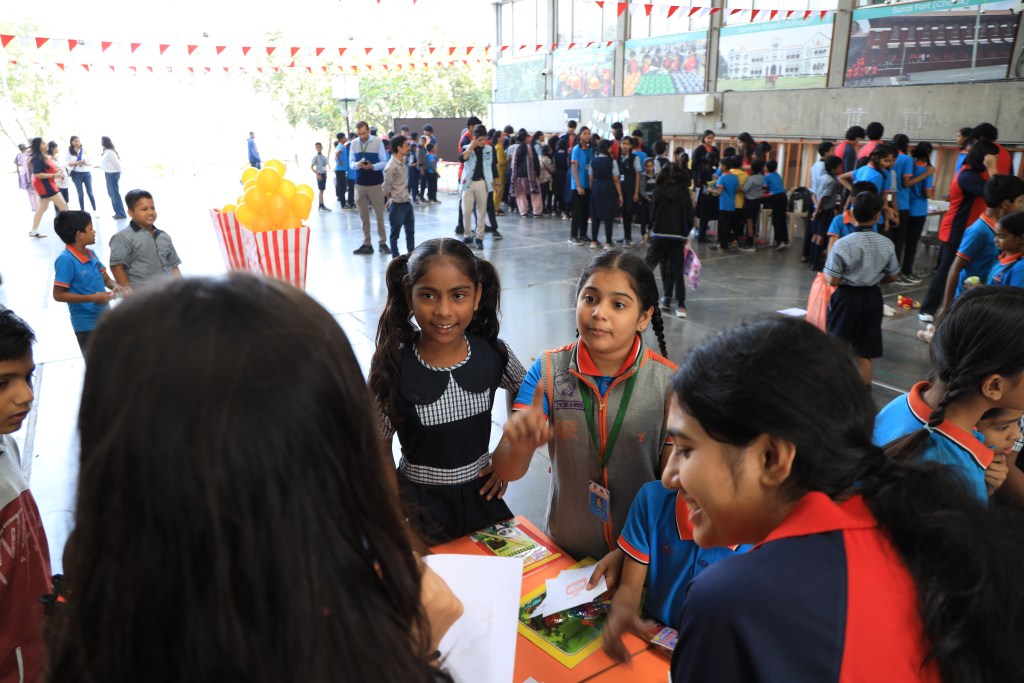
I found that this activity struck a balance between providing the children with guidance and allowing them to explore independently. I came to see that acting ethically is not just showing them respect but also letting them learn at their own speed, not controlling their decisions, and not overwhelming them. Even small decisions felt significant, such as letting a child express their own opinions about hygiene or stepping back to give them another chance. I learned from this experience that being respectful in service also entails knowing when to take the lead and when to quietly assist so the kids feel empowered rather than instructed.