I have always been deeply fascinated by international relations, diplomacy, and the ways global decisions shape communities and lives across borders. This curiosity gradually evolved into a desire not only to study global affairs, but to experience them — to engage in discussions, test arguments, negotiate perspectives, and understand the ethical complexities behind real-world decision-making. With this motivation, I created Mandates and Motions, a student-led club where I served as the Founder and President. The club explores global politics, international law, and diplomacy through practical and creative experiences such as moot courts, crisis negotiations, structured debates, cultural exchanges, Model UN simulations and the list is inexhaustible.
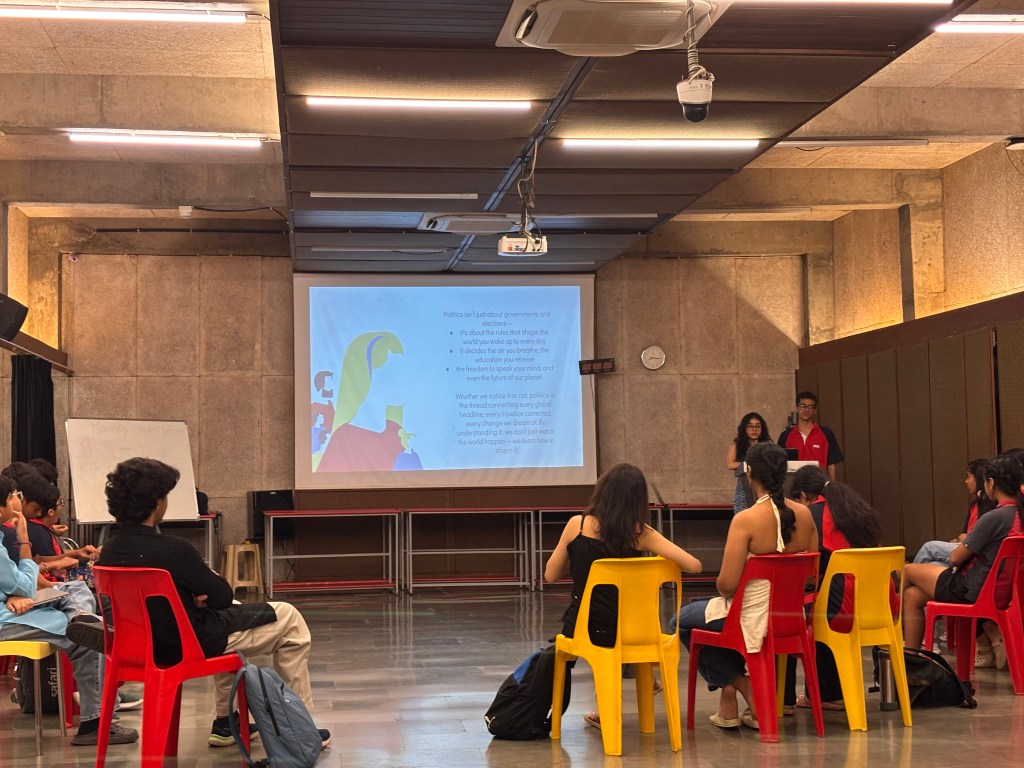
My vision was to move beyond textbook learning and build a space where students apply concepts through practice — viewing situations from different stakeholder angles, analysing global issues in depth, and communicating with clarity, empathy, and structure. Rather than memorising theories, we role-played diplomats, drafted arguments, negotiated treaties, analysed case studies, and worked collaboratively to design solutions. The club follows a bimonthly meeting format, with two sessions every month, each centred on a different agenda or global theme. This allowed members to consistently learn new concepts, build skills, and broaden their understanding. Over time, the club evolved into a dynamic and intellectually curious community, where creativity meets critical thinking and every session encourages students to explore new perspectives, methods, and global viewpoints.
Creativity became the foundation of Mandates and Motions. Here, creativity meant designing original diplomatic scenarios, building case files, drafting culturally sensitive debate motions, and developing learning tools like simplified treaty templates or interactive diplomatic maps. I crafted realistic International Court of Justice case documents, prepared humanitarian negotiation exercises, designed cultural exchange modules, and structured debate formats suited to different comfort levels. Every session required thoughtful planning, trial-and-error, and imagination — transforming the club into a collaborative diplomatic lab where students experienced global affairs, built confidence, and developed as empathetic, informed, and globally-aware individuals.
This reflection explores how I demonstrated all CAS Learning Outcomes through this journey.
Learning Outcome 1 – Identify own strengths and develop areas for personal growth
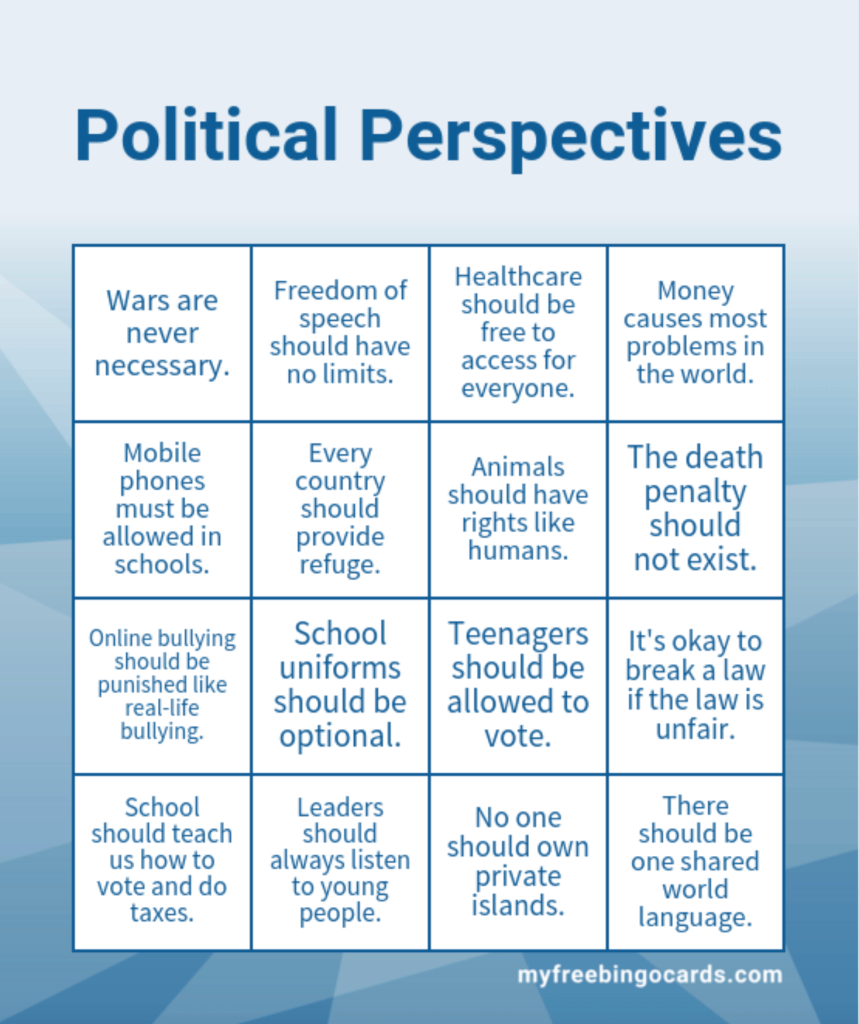
Leading the club helped me recognise strengths in communication, content design, and simplifying complex topics. I realised I was good at breaking down complicated concepts — like sovereignty, the UN system, or sanctions — into simple, relatable explanations. For example, I created visual charts to explain UN decision-making, filmed short explanation videos on negotiation strategy for club members to watch before meetings, and designed step-by-step presentation slides to guide students through debate structures. I also created “beginner debate dictionaries” with basic political terms to ensure nobody felt excluded by jargon.
However, I also identified areas for growth. At first, I tried handling everything alone — planning content, moderating debates, and organising logistics — because I wanted sessions to be perfect. Eventually, I realised that sustainable leadership means trusting and empowering others. I began sharing responsibilities with my Co-President — dividing tasks like research planning, resource preparation, and moderating discussions — which helped me manage my workload and gave them the chance to build confidence and leadership as well. This shift improved efficiency, strengthened the club, and helped me learn the importance of delegation and shared ownership.

Learning Outcome 2 – Demonstrate that challenges have been undertaken, developing new skills
Running this club came with practical challenges. In the beginning, many members were shy or nervous to speak about serious global issues. Some felt overwhelmed by topics like humanitarian policy or international conflict. To support them, I developed strategies such as giving simple starter motions, offering one-on-one encouragement, creating guiding questions, and organising warm-up rounds where students could practice speaking informally before structured debate. I also created “argument building cards” that helped students organise their thoughts in three steps — statement, explanation, example — which boosted their confidence.
Balancing schoolwork with weekly preparation was another challenge. Many times, I prepared crisis briefs during short breaks or redesigned an activity late at night to make it more engaging. These moments strengthened my discipline, adaptability, and planning skills.
A key skill I developed was flexibility. For example, during a simple session on environmental diplomacy, participants unexpectedly became interested in discussing everyday climate actions rather than national policy. Instead of redirecting them, I adapted the session and let the discussion evolve naturally. It turned into a meaningful conversation where students linked global politics to daily life — showing me that effective leadership sometimes means stepping back and letting curiosity lead. This experience, along with many others, helped me grow as a facilitator, listener, and learner.
Learning Outcome 3 – Demonstrate how to initiate and plan a CAS experience
Initiating and running this club required structured and purposeful planning. I created a detailed plan that included a month-wise learning roadmap, progressive debate training, simulation guidelines, briefing notes, and a calendar for sessions. Behind the scenes, I organised documents, prepared courtroom scripts for moot courts, drafted research questions, and planned debrief formats. I also arranged peer-mentor pairings so new members could learn from experienced ones and introduced reflection journals so students could record what they learned after each session.
Before every club meeting, I spent time preparing content, refining debate structures, printing resources, arranging roles, and testing the flow of activities to ensure clarity and engagement. I also maintained communication channels, shared pre-reads, and created simple briefing sheets so students felt prepared and confident before each session.
What began as an idea gradually transformed into a structured and sustainable programme — rooted in planning, initiative, and constant improvement.

Learning Outcome 4 – Show commitment to and perseverance in CAS experience
Managing the club alongside assignments, exams, and other commitments required patience, consistency, and discipline. I led this club consistently for over ten months, planning sessions in advance and working regularly even outside club days. Though sessions happened twice a month, the preparation — brainstorming themes, researching, creating materials, and coordinating tasks — happened every week.
There were weeks when schoolwork was overwhelming, yet I continued because I believed the club offered a valuable learning experience for everyone involved. I used weekends, holidays, and evenings to prepare, and I remained motivated by members’ progress — especially watching quiet students speak up confidently for the first time. Running this club taught me perseverance, time-management, and the importance of commitment to long-term goals.
Learning Outcome 5 – Demonstrate the skills and recognise the benefits of working collaboratively
Collaboration was essential to this project. I worked closely with my Co-President to divide responsibilities, plan sessions, brainstorm ideas, and support club members. We communicated respectfully, shared constructive feedback, and used each other’s strengths — like researching, speaking, and organising — to build effective sessions.
A meaningful collaborative milestone was when we were invited to conduct a debate workshop for Grade 5 students — their first introduction to formal debate. We prepared as a team by simplifying rules, designing child-friendly debate flashcards, planning interactive speaking exercises, and organising a fun practice round. During the session, we co-facilitated the activity, guided students, gave tips and positive feedback, and made sure every student participated. Watching young children speak confidently and enjoy expressing their ideas showed me how teamwork amplifies impact and how collaboration builds confidence not only in leaders, but also in learners.


Learning Outcome 6 – Demonstrate engagement with issues of global significance
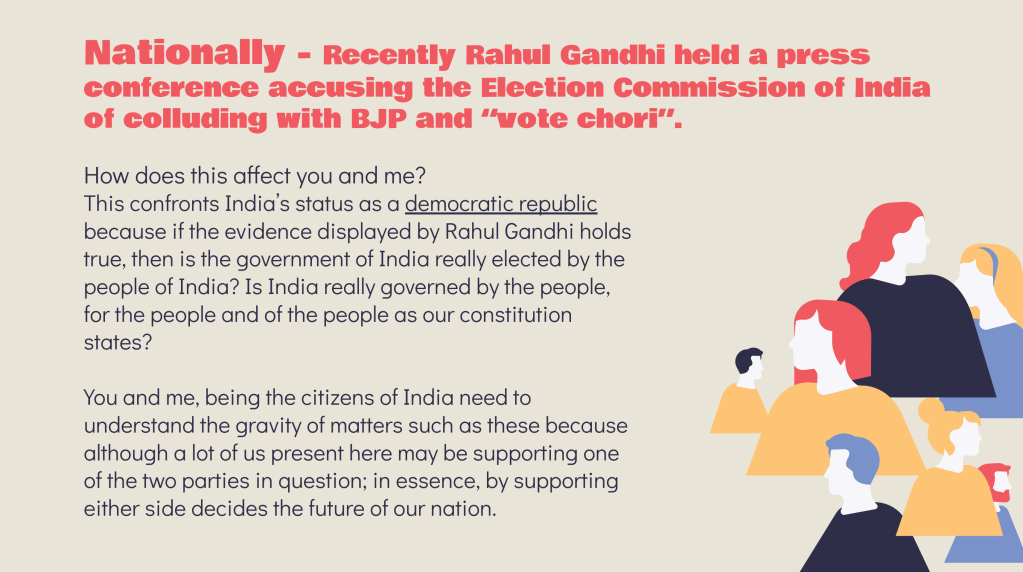
All club themes connected to real-world global challenges. We explored accessible yet meaningful issues like climate justice, access to education, global health, women’s rights, water scarcity, and cultural identity. For example, during a session on global cooperation for education access, students discussed how countries can support each other in building schools and teacher training programmes — connecting directly to global equity and SDG 4 (Quality Education). These conversations helped us link classroom learning to international problems, while still keeping discussions relatable and easy to understand.
We often drew connections to Sustainable Development Goals, especially SDG 16 (Peace, Justice, and Strong Institutions) and SDG 17 (Partnerships for the Goals). Through debates, cultural exchange letters, and group reflections, we strengthened not just knowledge, but global empathy and civic awareness — learning that engagement with world issues begins through informed discussion and understanding at the school level.

Learning Outcome 7 – Recognise and consider the ethics of choices and actions
Ethics played a central role in every session. I ensured the environment was respectful, inclusive, and safe for all voices. I gave equal speaking opportunities, moderated discussions fairly, and encouraged respectful disagreement. I made sure the topics we selected were appropriate and sensitive, avoiding anything that might create discomfort. Whenever I gave feedback, I did it constructively — focusing on improvement rather than criticism.
I constantly reminded members to consider humanitarian perspectives, cultural sensitivity, and fairness while building arguments. Another ethical aspect was transparency — acknowledging everyone’s contributions and never taking credit alone. I also made sure no student felt left out or overshadowed, supporting quieter members and encouraging participation without pressure. These practices taught me ethical leadership, compassionate communication, and responsibility as a facilitator.
Conclusion
Mandates and Motions has been more than a club — it has been a space of creativity, diplomacy, collaboration, and growth. It allowed me to combine academic interest with imagination, leadership, teamwork, and empathy. This experience helped me build confidence as a communicator, nurtured my ability to lead respectfully and ethically, and deepened my understanding of global citizenship. CAS challenged me not just to participate, but to create, adapt, support, and inspire. Leading this club remains one of the most meaningful and defining parts of my CAS journey, shaping my identity as a thinker, leader, and global learner.