Learning outcome 3: Demonstrate how to initiate and plan a CAS experience
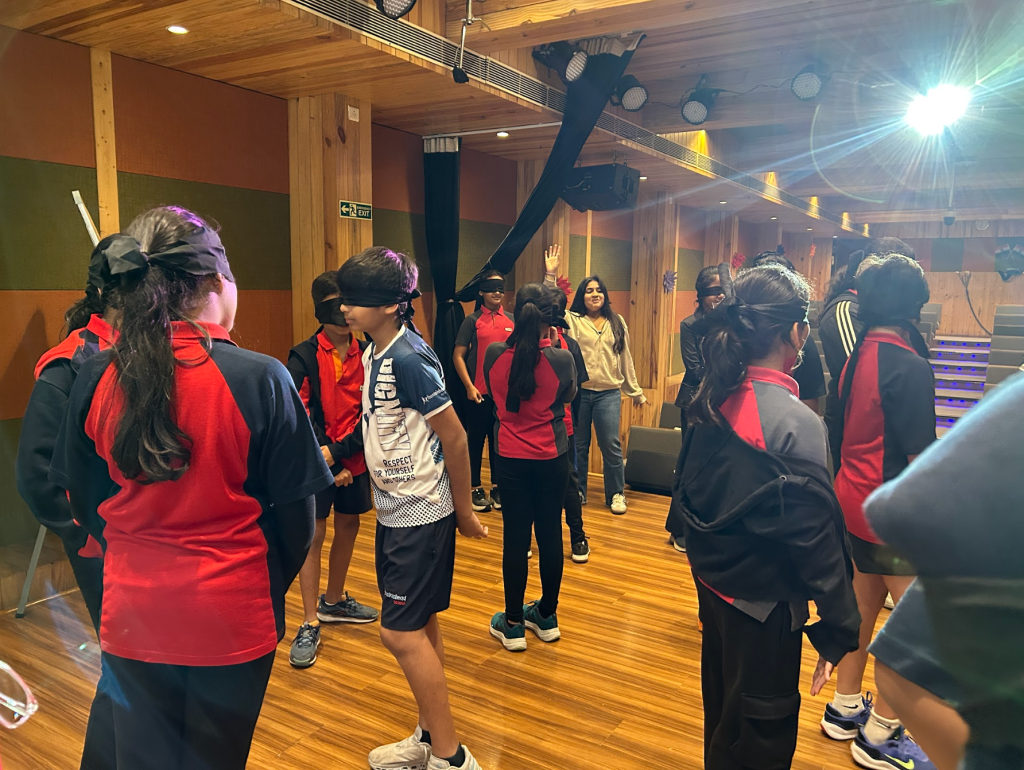
For our “Groove for Good” session, I was involved in initiating and planning a structured workshop that introduced SDG goals—specifically gender equality and reduced inequalities—to Grade 6 students from Fountainhead. We planned a sequence of interactive activities, starting from simple ice-breakers like the blindfold handshake to more thought-provoking tasks such as categorizing jobs by gender and analyzing real advertisements for gender bias. We prepared all materials in advance, rehearsed how to explain each activity, and discussed how to keep the session engaging for a younger audience. The process taught me the importance of planning sessions with clear educational intentions while still making them enjoyable.
Learning outcome 6: Demonstrate engagement with issues of global significance
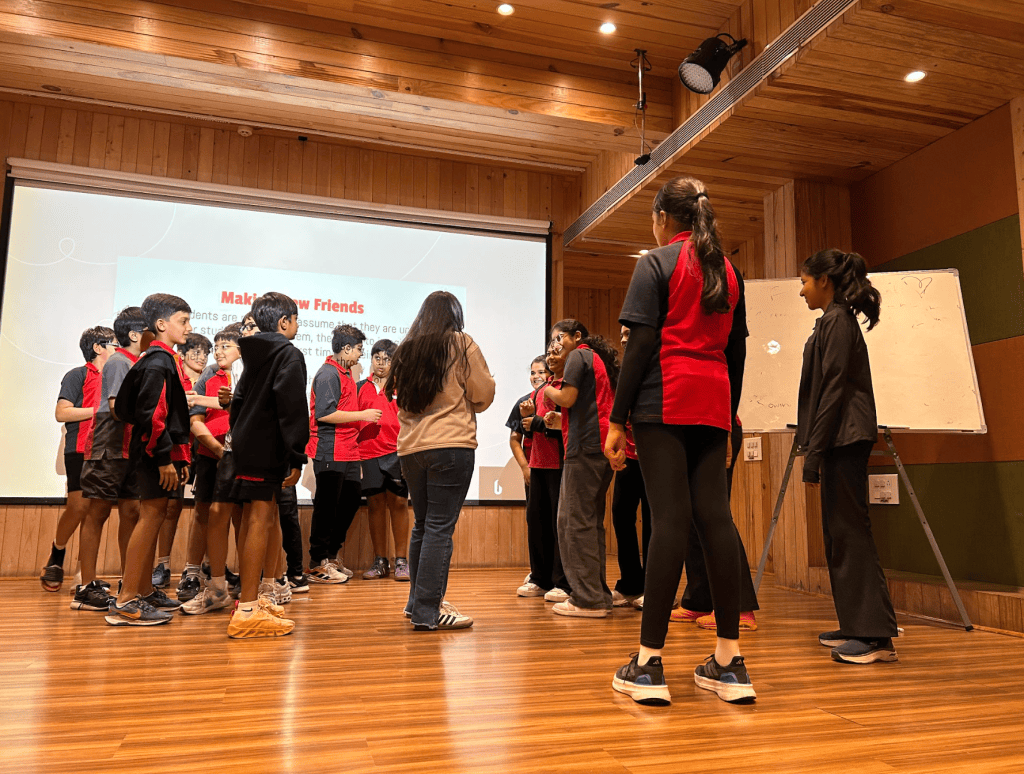
Gender equality and reduced inequality are not just school topics—they are global issues that shape societies everywhere. By working with the students, I helped bring awareness to how bias and stereotypes influence everyday actions and media messaging. Activities like classifying jobs helped the students reflect on how stereotypes limit opportunities, and examining ads made them recognize how gender inequality is normalized. Guiding them to create 20–30-second skits empowered them to express solutions creatively. Through this experience, I felt directly engaged in promoting values that align with global SDGs and contribute to shaping more inclusive mindsets.
Learning outcome 7: Recognize and consider the ethics of choices and actions
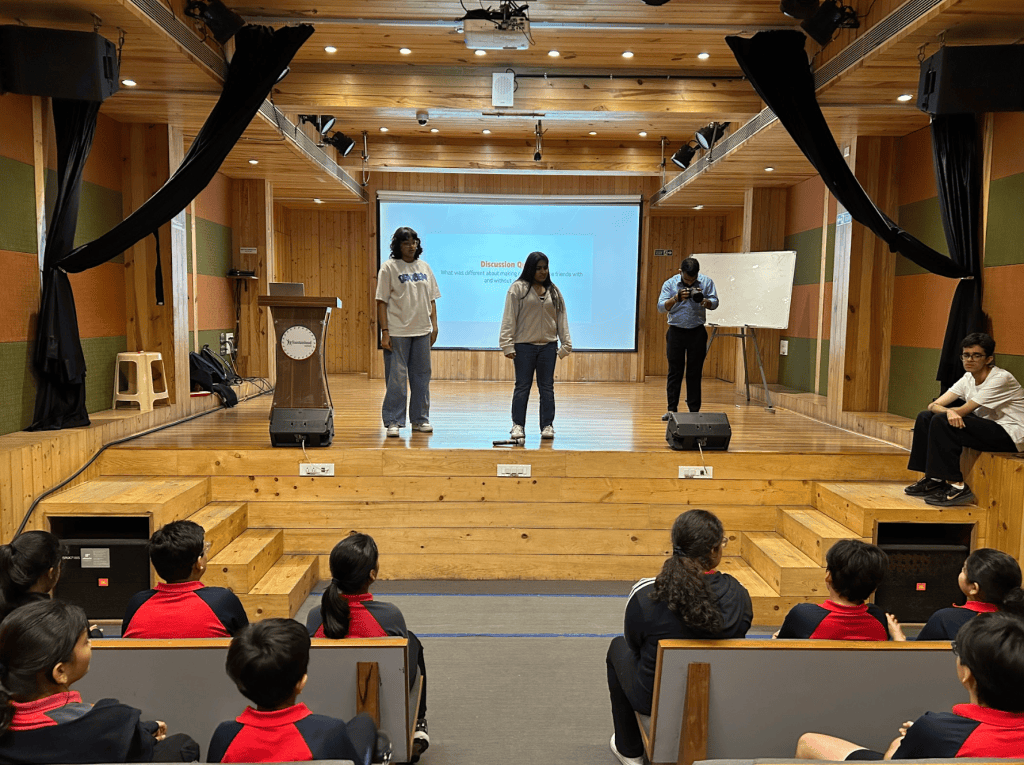
While teaching sensitive topics like gender stereotypes, I became very aware of the ethical responsibility we held. It was important to make sure no student felt judged for their initial opinions or backgrounds. We deliberately designed the activities to encourage reflection rather than confrontation, and we used examples that were relatable yet respectful. During the discussions, I made sure to listen without criticizing and to guide students gently toward more balanced perspectives. Helping them develop skits required careful handling so that their messages stayed positive and empowering rather than mocking. This experience made me more conscious of how ethical choices shape safe and inclusive learning environments.