LO 3: Demonstrate how to initiate and plan a CAS experience
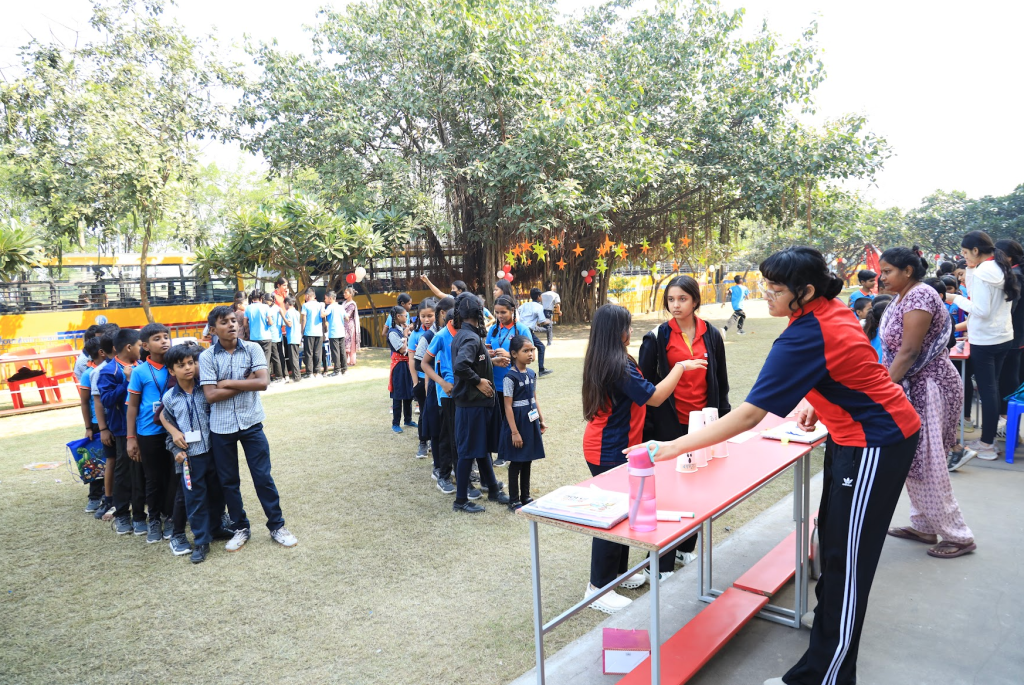
This experience began with brainstorming how we could make an anti-bullying concept interactive for the carnival. I helped plan the layout of the booth, gather materials for the game, and outline how we would guide students through the activity. We also had to estimate timing, prepare explanations, and test the game beforehand. Initiating and planning this CAS experience taught me the importance of structure and preparation in delivering an event that is both meaningful and engaging.
Learning outcome 2: Demonstrate that challenges have been undertaken, developing new skills in the process

During the Children’s Day carnival, designing an anti-bullying game for students from a government school challenged me to think creatively and empathetically. I had to translate a serious topic like bullying into an activity that was simple, engaging, and age-appropriate. Ensuring the children understood the purpose – knocking down hurtful words and replacing them with kind ones – required me to explain concepts clearly and adjust my communication style to suit different age groups. This experience helped me develop better facilitation skills and more confidence in leading younger participants.
Learning outcome 4: Show commitment to and perseverance in CAS experiences
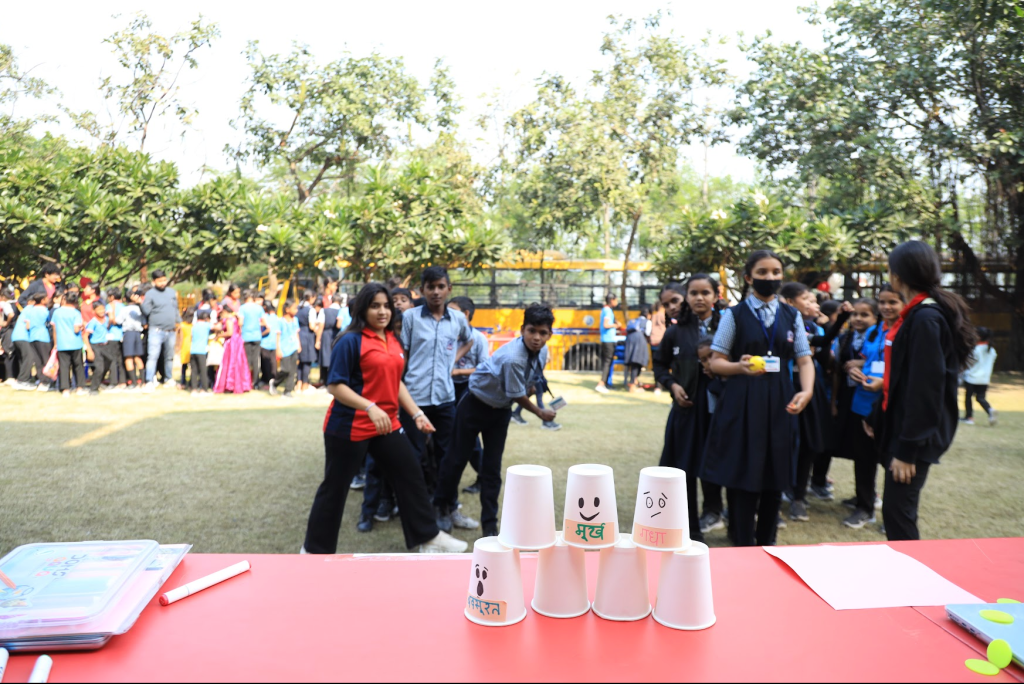
Planning the game, preparing the materials, and running the activity throughout the carnival required sustained effort. There were moments when the booth became chaotic, or when children were shy to participate, but I remained committed to making the experience meaningful for every group. I kept encouraging the students, resetting the game repeatedly, and ensuring the message against bullying reached them. My team’s perseverance played a key role in keeping the activity smooth and impactful, even during the busiest hours.
Learning outcome 5: Demonstrate the skills and recognize the benefits of working collaboratively
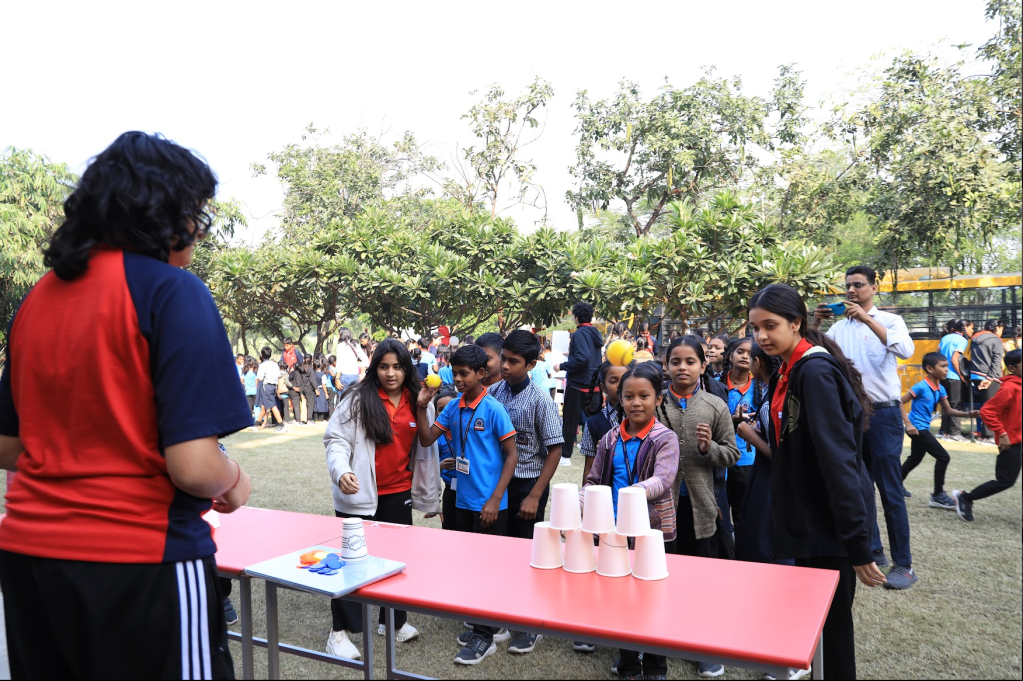
This activity would not have been successful without teamwork. From setting up the booth to managing the flow of students and explaining the rules, each team member supported the others. We divided responsibilities, helped when someone was overwhelmed, and coordinated our communication with the children. Working collaboratively ensured that the game was fun, safe, and educational for everyone. I realized how much more effective and enjoyable community service becomes when responsibilities are shared.
Learning outcome 6: Demonstrate engagement with issues of global significance
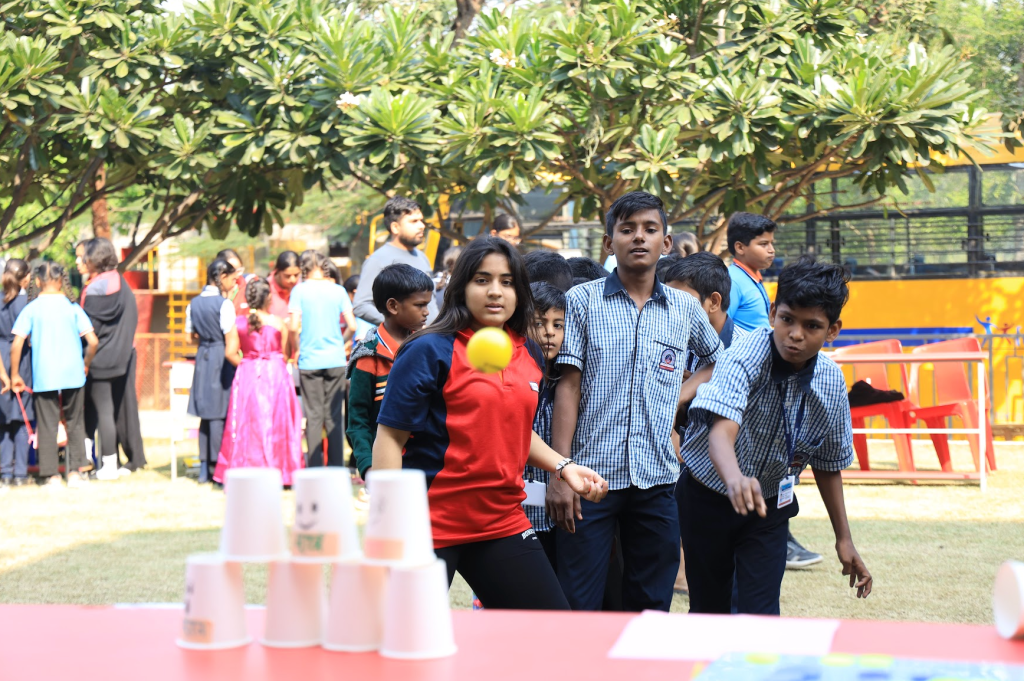
Bullying is a global issue that affects children everywhere, regardless of background. By creating an activity that helped young students identify hurtful language and replace it with kind expressions, we addressed this issue in a tangible way. The game allowed us to start conversations about empathy, respect, and emotional safety—topics that are essential for building inclusive communities. Engaging with this issue helped me understand that even small, playful interventions can contribute to a broader culture of kindness.
Learning outcome 7: Recognize and consider the ethics of choices and actions
While planning the activity, I had to think carefully about the words we used and how we presented the concept of bullying. It was important not to reinforce negative language or accidentally make students feel targeted. We chose words thoughtfully, ensured the environment felt safe, and emphasized positivity rather than shame. This made me more aware of the ethical responsibility involved when working with children, especially on sensitive topics.