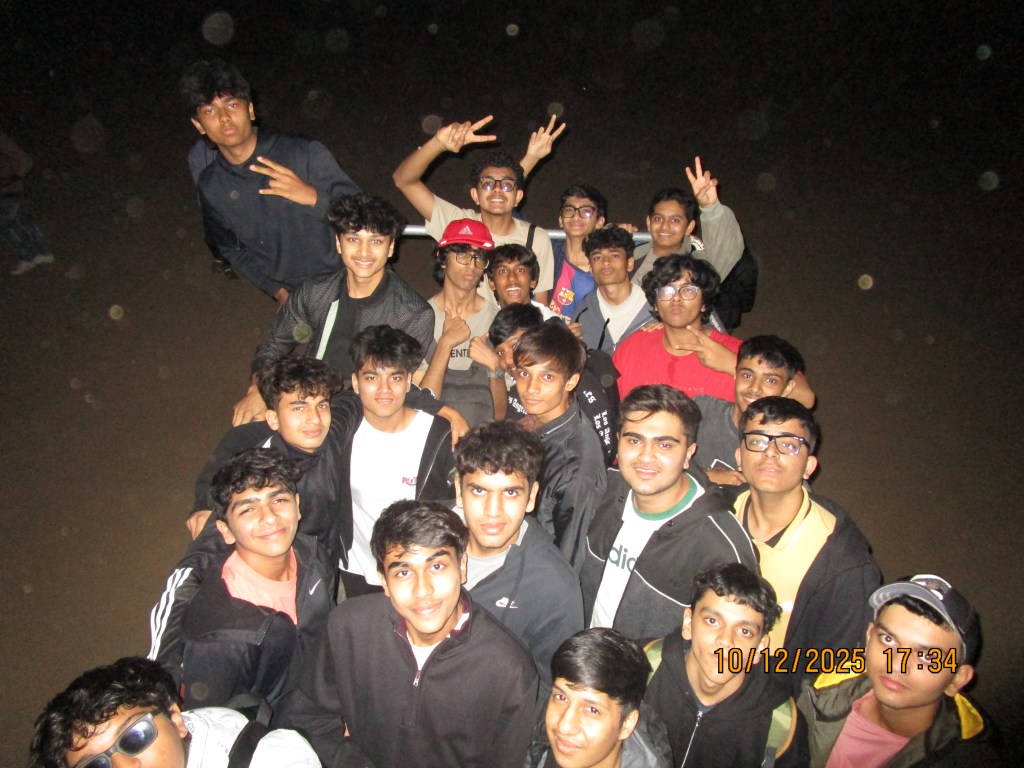
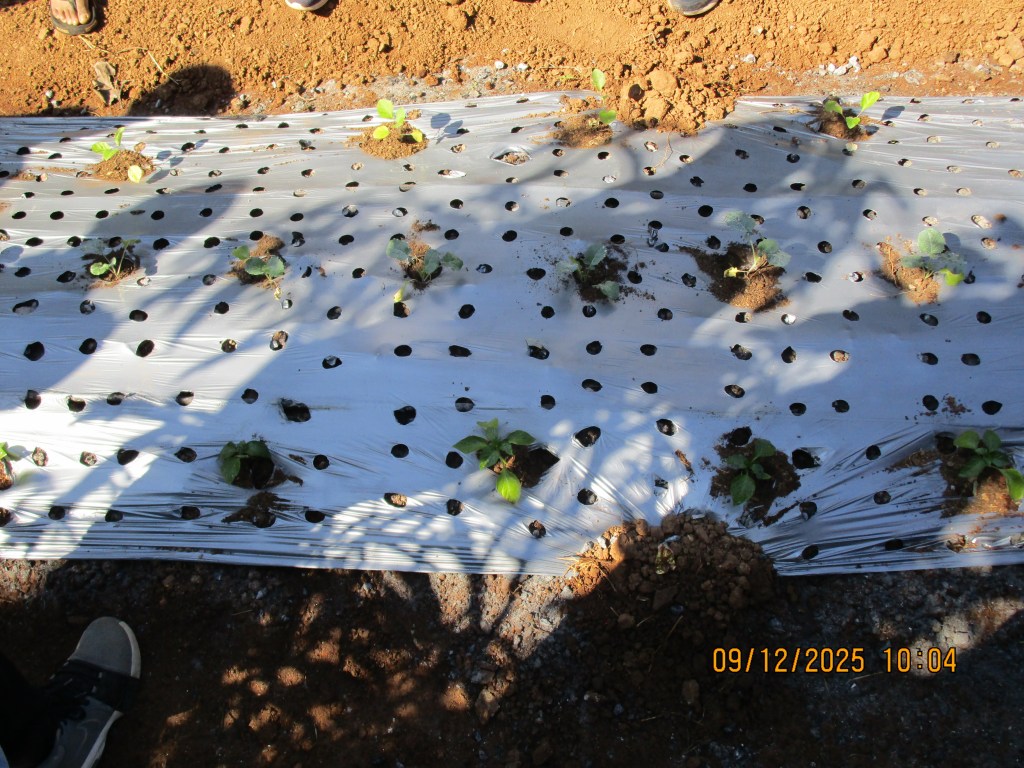
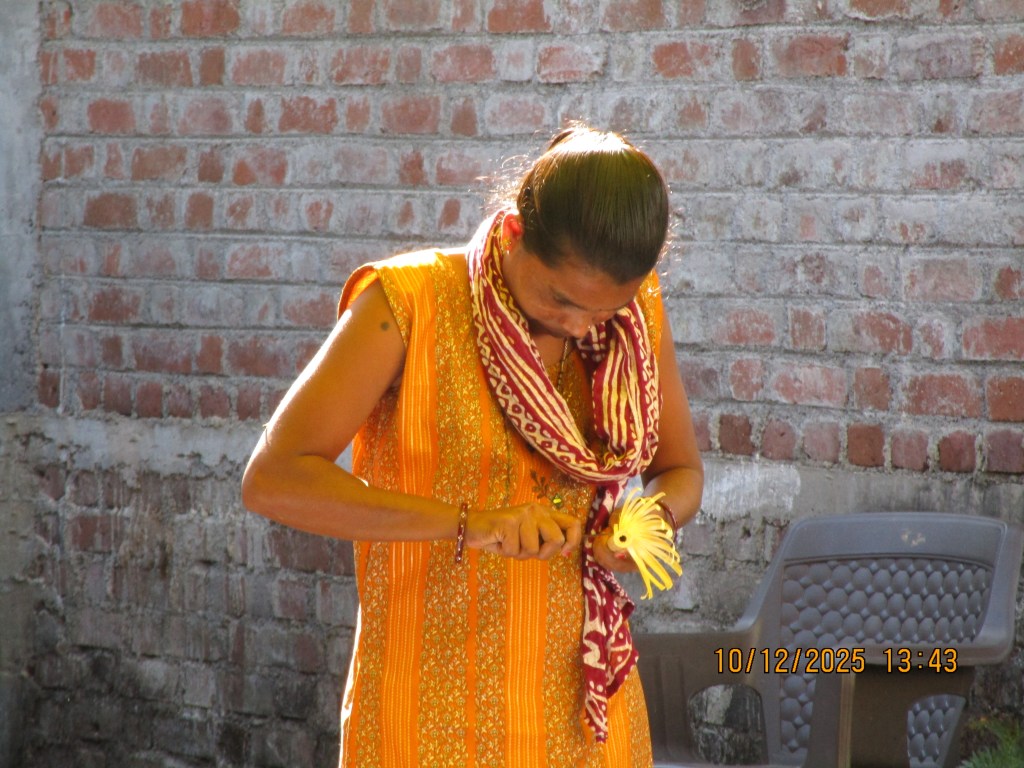
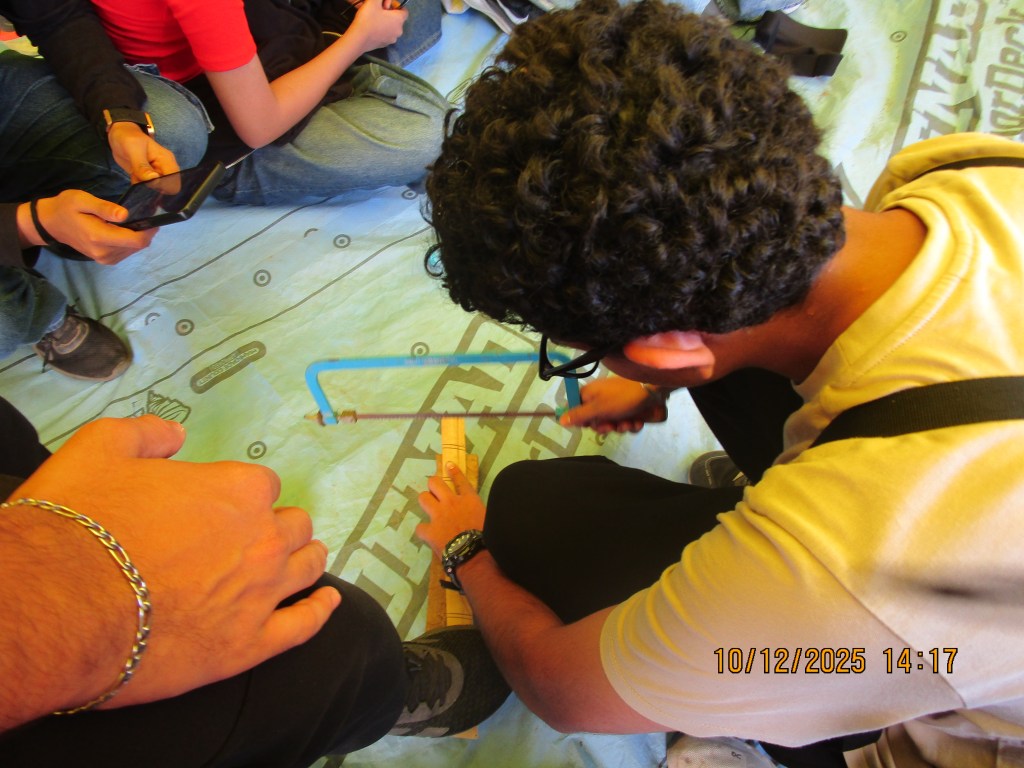

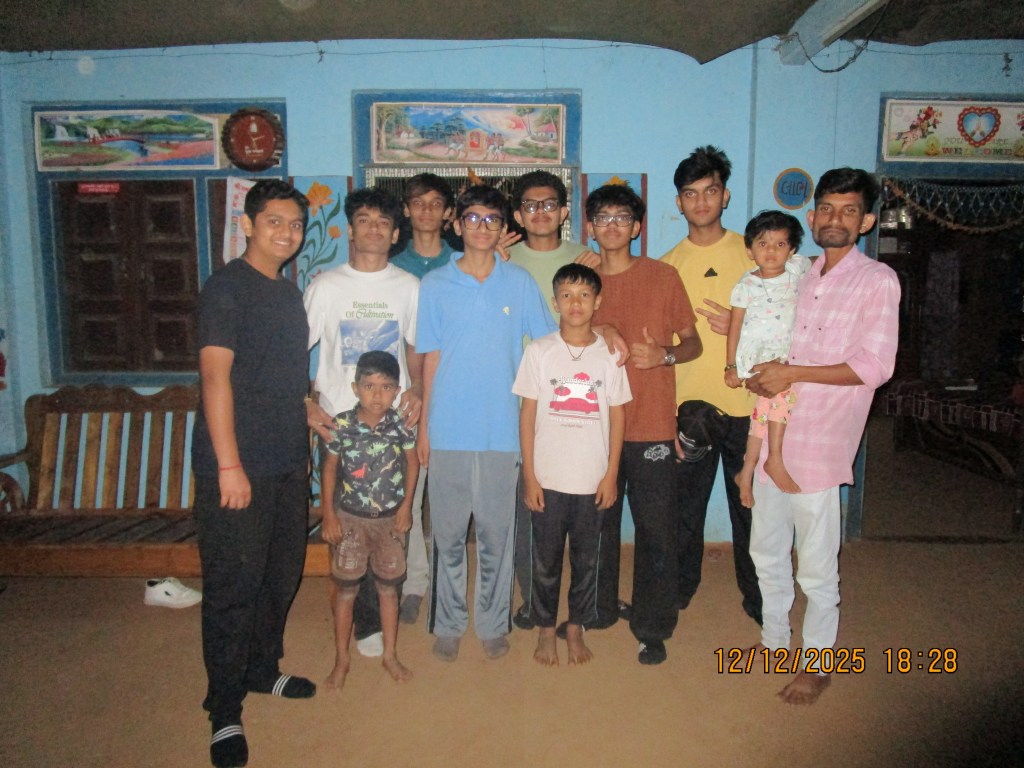
Introduction: The six-day rural immersion program in Padamdungri helped me understand the real lifestyle, struggles, and values of people living in rural areas. Instead of only watching, I took part in farming work, bamboo product making, Warli painting, village interactions, environmental walks, and even had dinner at a local family’s house. This experience showed me what life is like away from the city. It also made me think about empathy, privilege, and what sustainable living actually means.
LO1 – Identify own strengths and develop areas for growth: During the program, I learned that I adapt quite well to new environments and I am comfortable talking to new people. I was able to ask questions, listen carefully, and learn from villagers. At the same time, I noticed that I still struggle with physical work like farming for long hours and staying patient when things move slowly. This helped me see both my strengths and the areas where I still need to improve.
LO2 – Demonstrate that challenges have been undertaken, developing new skills in the process: The rural lifestyle was challenging. There was limited comfort, slower routines, and physically demanding tasks. Working in the fields, learning bamboo craft, and trying traditional painting all required effort and practice. Through these challenges, I developed new skills like basic farming techniques, simple craft work, and better observation skills. I also became more open to trying things that felt unfamiliar at first.
LO3 – Demonstrate how to initiate and plan a CAS experience: Before the trip, we discussed what we wanted to learn and how we would participate instead of just observing. We planned questions to ask villagers, prepared for activities, and organized materials needed for reflections and group tasks. This planning helped me stay focused during the trip and made sure that every activity had a clear purpose, not just a visit.
LO4 – Show commitment to and perseverance in CAS experiences: The program required waking up early, working in the heat, and staying involved even when tired. I stayed committed to every activity, whether it was farm work or cultural learning. There were moments when I wanted to rest, but I kept going because I wanted to respect the community and make the most out of the experience. This taught me to stay dedicated, even when situations are uncomfortable.
LO5 – Demonstrate the skills and recognize the benefits of working collaboratively: Throughout the program, we worked as a group. We shared tasks, helped each other during activities, and discussed what we learned every evening. Collaboration made everything easier and more meaningful. Working together also helped us build trust with the villagers, since they saw us supporting each other and working as a team.
LO6 – Engage with issues of global significance: The program connected directly to global issues like poverty, sustainability, water usage, agriculture, and fair access to resources. Seeing how villagers manage with limited resources made me realize how important sustainable practices are. It also made me reflect on how urban lifestyles often waste things that rural families carefully conserve. Understanding these differences helped me see the larger problems that many communities face around the world.
LO7 – Recognize and consider the ethics of choices and actions: Being in the village made me think deeply about privilege and responsibility. We had to be respectful, avoid wasting food and water, and behave in a way that honored the culture. I also thought about how development projects and city demands can affect rural lives. This experience made me more aware that decisions, policies, and even personal habits can impact communities that do not have the same resources.
Conclusion: The rural immersion program was much more than a trip. It helped me look at life from a different angle. I learned new skills, faced challenges, worked with others, and developed greater empathy. It changed how I think about comfort, opportunity, and sustainability. Most importantly, it helped me become more aware of my responsibilities toward society and the environment.