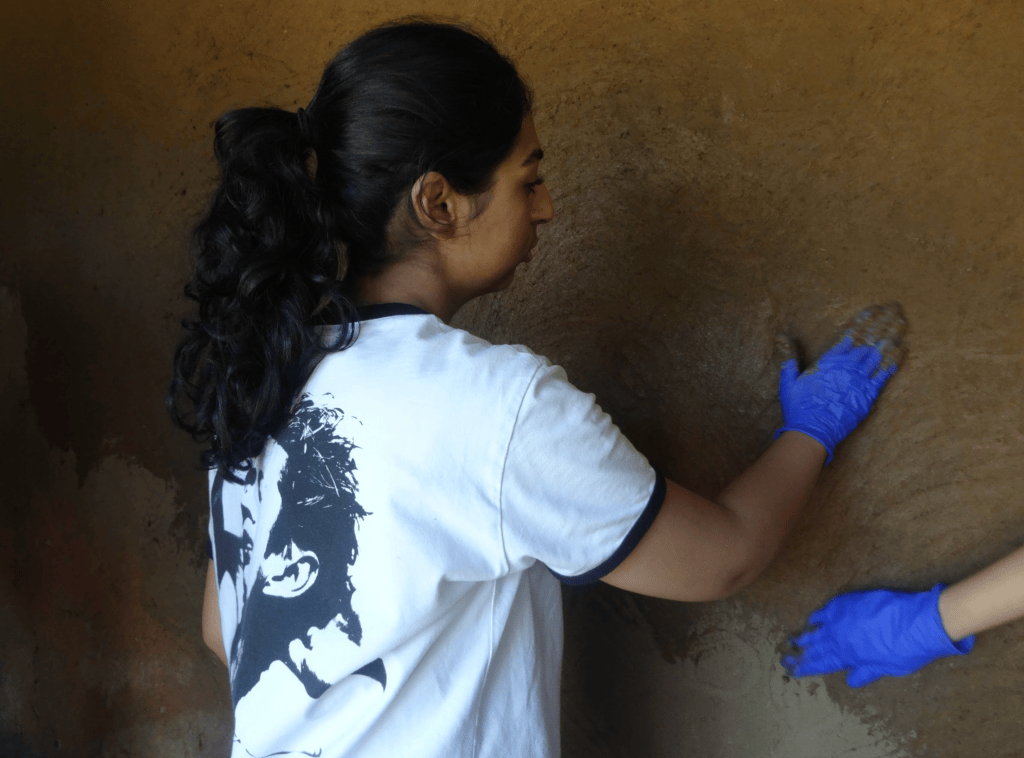
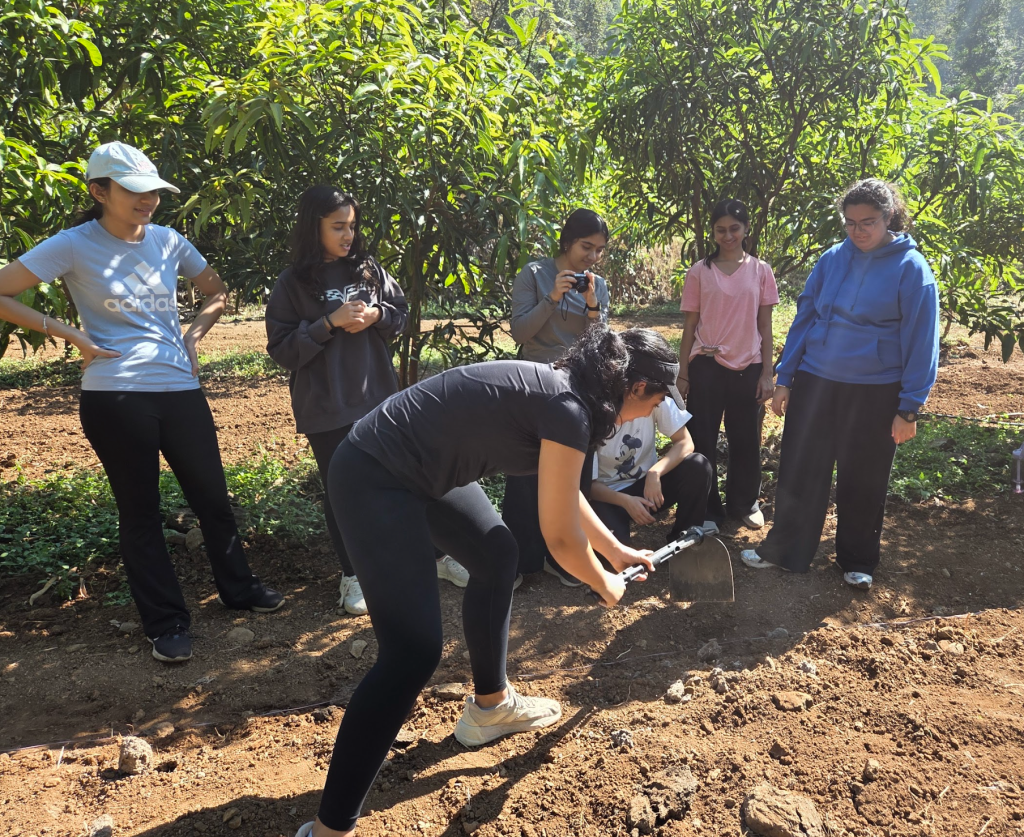
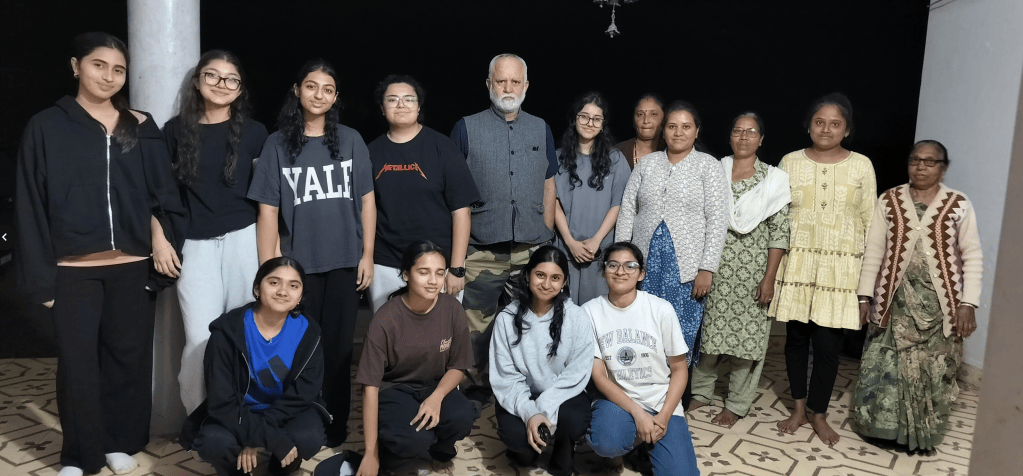
The rural immersion trip to Padamdungri was an experience that allowed me to step out of my comfort zone and explore things I had never done before. It was not just a trip, but an opportunity to understand a different way of living and to appreciate the daily lives of people in rural communities. Over the course of six days, we participated in a variety of activities such as trekking, farming, wall painting, rappelling, and cow dung lipan. These activities were inspired by the everyday lives of the locals, which helped us gain a deeper understanding of their lifestyle. Through these experiences, the trip catered to all three aspects of CAS: creativity, activity, and service.
CAS Learning Outcomes
LO1 – Identify own strengths and develop areas for growth
Through the rural immersion experience in Padamdungri, I was able to identify several of my strengths as well as areas where I can improve. I realized that I am adaptable and open to trying new experiences, which helped me actively participate in activities such as farming, trekking, wall painting, and cow dung lipan. These activities required patience and willingness to step outside my comfort zone. I also noticed that I was able to work well in group settings and remain engaged throughout the activities. However, I also recognized areas for growth, particularly in building more physical endurance during trekking and activity-based tasks, and becoming more confident when attempting unfamiliar physical challenges such as rappelling. This experience helped me become more aware of both my capabilities and areas where I can continue developing.
LO2 – Demonstrate that challenges have been undertaken, developing new skills
Many of the activities during the Padamdungri trip were completely new to me and required me to take on challenges. Rappelling was one of the most challenging activities, as it required overcoming fear and trusting both the equipment and the instructors. Similarly, participating in farming and cow dung lipan allowed me to learn practical skills that are part of everyday rural life. These experiences helped me understand the effort and technique involved in tasks that I had never previously attempted. By engaging in these unfamiliar activities, I developed new skills while also becoming more comfortable facing challenges.
LO3 – Demonstrate how to initiate and plan a CAS experience
Although the rural immersion trip was organized by the school, I demonstrated initiative by actively planning how I would engage in the activities and make the most of the experience. Before the trip, I prepared myself mentally to try new activities and to fully participate in all aspects of the program. During the trip, I made a conscious effort to involve myself in each activity, interact with the local community, and learn from the experiences offered. By approaching the trip with the intention of participating actively and reflecting on what I learned, I was able to plan how this CAS experience would contribute to my personal growth.
LO4 – Show perseverance and commitment in CAS experiences
The six-day rural immersion required continuous participation and commitment in all scheduled activities. Each day involved physical and collaborative tasks that required effort and focus. Even when certain activities were physically demanding, such as trekking or working outdoors during farming activities, I remained committed to completing them and participating fully. Living in a rural environment for several days also required adjusting to a different routine and lifestyle. Staying engaged throughout the entire trip demonstrated perseverance and dedication toward making the most of the CAS experience.
LO5 – Demonstrate skills and benefits of working collaboratively
Almost every activity during the rural immersion involved teamwork and cooperation. Whether it was painting walls together, completing farming tasks, or supporting each other during trekking and rappelling, collaboration was essential. Working with my peers helped us divide responsibilities, support each other during physically challenging moments, and complete tasks more efficiently. Through these experiences, I developed stronger communication and teamwork skills and understood how collaboration can make activities more effective and enjoyable.
LO6 – Engagement with issues of global significance
The rural immersion experience helped me engage with broader social issues such as rural–urban differences, access to education, and community lifestyles. Visiting the government school and interacting with the students allowed me to see the learning environment in a rural setting and understand some of the challenges that communities may face in terms of resources and opportunities. This experience helped me reflect on the differences between urban and rural life and made me more aware of how social and economic factors can influence access to opportunities.
LO7 – Recognise and consider the ethics of choices and actions
During the trip, it was important to remain respectful of the local culture, environment, and traditions. Activities such as farming and cow dung lipan demonstrated sustainable practices that are commonly used in rural communities. Observing and participating in these practices helped me understand the importance of respecting local knowledge and traditions rather than judging them from an urban perspective. This experience encouraged me to think about how our actions and attitudes can impact communities and reinforced the importance of being culturally respectful and responsible.
Reflection
Overall, the Padamdungri rural immersion trip was a meaningful CAS experience that allowed me to step outside my everyday environment and experience a different way of life. Through activities that focused on creativity, activity, and service, I was able to develop new skills, work collaboratively with my peers, and reflect on broader social issues. The experience challenged me physically and mentally while also helping me appreciate the lifestyle and resilience of rural communities. It was a valuable opportunity for personal growth and a reminder of the importance of understanding perspectives beyond our own.