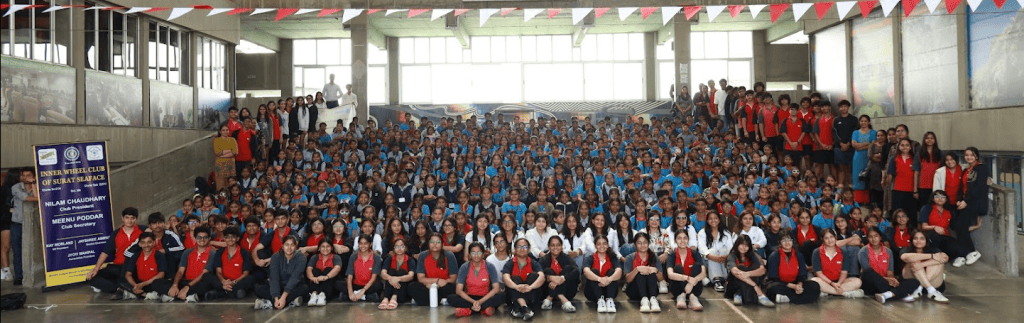
This CAS experience provided an opportunity to understand the importance of collaboration and social responsibility through practical action. Working together with my peers to plan and manage a stall highlighted how effective teamwork, communication, and shared responsibility contribute to successful outcomes.
LO5 – Demonstrate skills and benefits of working collaboratively.
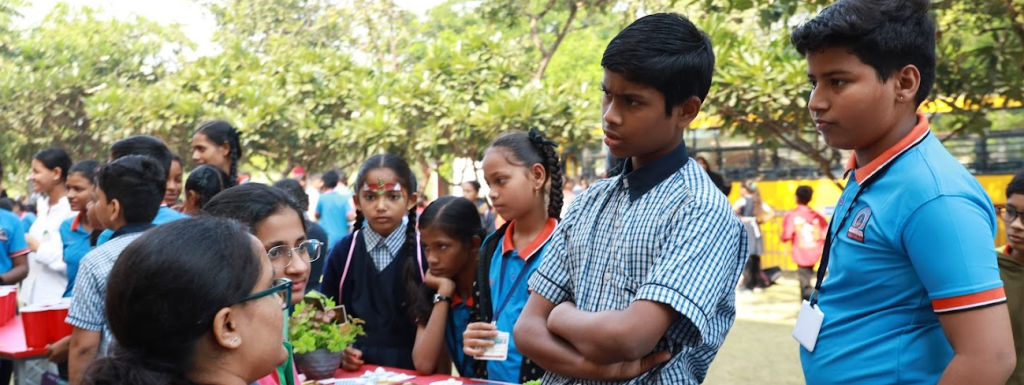
Working collaboratively was essential to the success of the stall. I partnered with two classmates to design games. This allowed us to divide the complex task of setup and execution into manageable parts. This collaborative approach not only increased our efficiency but also highlighted the benefits of taking advantage of our strengths. This experience demonstrated that a shared vision and effective communication are key to executing a meaningful service project successfully.
LO6 – Engagement with issues of global significance.
The decision to focus the stall on underprivileged students was a direct engagement with the globally significant issue of social equity. We recognised that play is great for development. Our stall, offering engaging games, became a small-scale attempt to address this issue. By creating an inclusive and joyful environment. This emphasised that “global significance” starts with tangible, local actions that aim to bridge the gap in resources for populations.
LO7 – Recognise and consider the ethics of choices and actions.
Throughout the planning and execution of the service project, careful consideration was given to the “ethics of our choices and actions”. We ensured that all games were “non-discriminatory and culturally sensitive”, avoiding any content that might exclude or offend the diverse student group. Recognising that the primary goal was to offer fun, not just to meet a school requirement.