CAS Blog: Children’s Carnival (Service Strand)
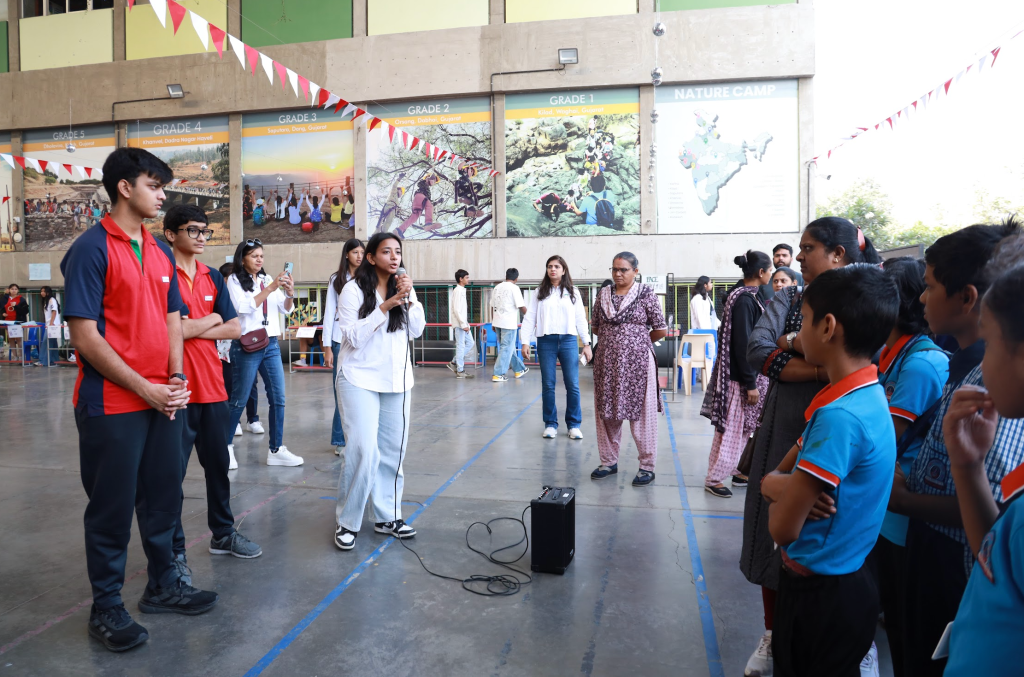
The Children’s Carnival was a service-based CAS experience that gave me a much more realistic understanding of responsibility than I initially expected. While the event was designed to be fun and enjoyable for children, my role required me to stay constantly alert and manage situations as they arose. I was responsible for ensuring that stall handlers did not run out of tokens and for supervising the children to maintain a sense of order and decorum throughout the event.
Reflection on Personal Strengths and Areas for Growth (LO 1)
One of the main strengths I demonstrated during this experience was my ability to stay attentive and reliable in a fast-paced environment. I was able to move between different stalls, monitor token usage, and respond quickly when something needed attention. However, this experience also highlighted an area where I need to grow—managing younger children effectively. When the children became overly excited, it was difficult to control the situation without escalating it. This made me realize that I need to develop better communication and authority skills when working with groups of children.
Challenges Faced and Skills Developed (LO 2)
A significant challenge I faced was maintaining discipline among the children while still allowing them to enjoy themselves. There were moments when the situation felt chaotic, and I had to quickly decide how to respond. I learned that being too strict could take away from their experience, while being too lenient could lead to disorder. Over time, I started adjusting my approach by balancing firmness with patience. This helped me develop skills such as adaptability, problem-solving, and managing groups under pressure.
Demonstrating Commitment and Perseverance (LO 4)
The event also required a high level of commitment and perseverance. Throughout the carnival, I had to remain focused and active, even when the tasks became repetitive or tiring. Whether it was repeatedly checking token supplies or stepping in to manage groups of children, I had to stay consistent in my role. This taught me the importance of maintaining effort and responsibility, even in situations that are physically and mentally demanding.
Working Collaboratively (LO 5)
Collaboration played an important role in ensuring the event ran smoothly. I had to communicate with stall handlers about token availability and occasionally coordinate with others to manage the children more effectively. This experience showed me how even small actions, when coordinated properly, contribute to the overall success of a larger event. It also reinforced the importance of teamwork and clear communication in maintaining order in a busy environment.
Considering Ethics in Actions and Decisions (LO 7)
Additionally, this experience made me more aware of the ethical responsibility involved in supervising children. I had to ensure that my actions were fair and that I treated all children with patience and respect, even in challenging situations. Balancing discipline with empathy was not always easy, but it helped me understand the importance of creating a safe and positive environment for everyone involved.
Overall, the Children’s Carnival was a valuable CAS experience that challenged me in ways I did not expect. It pushed me to reflect on my strengths, confront my weaknesses, and develop new skills in real-time. More importantly, it showed me that service is not always about large-scale impact, but about taking responsibility and making sure that even small experiences run smoothly for others.