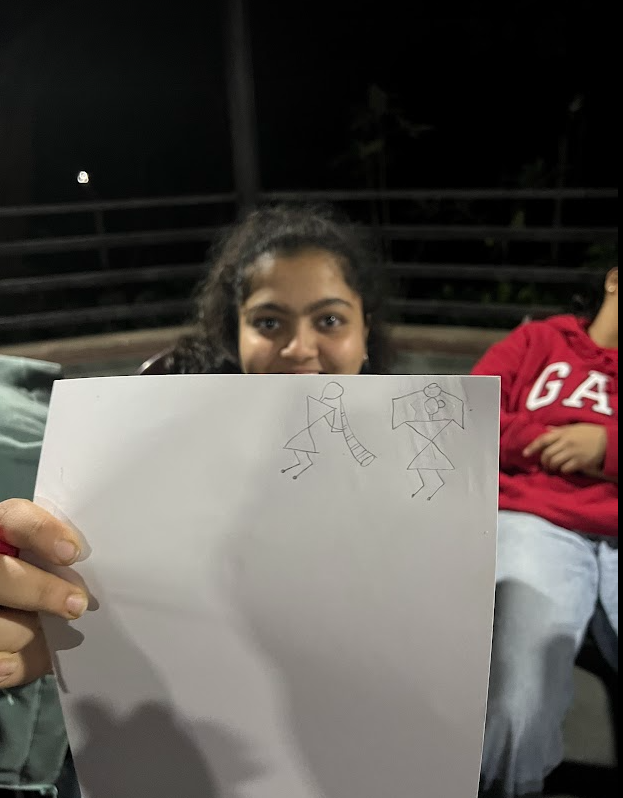
I participated in a six-day rural immersion program in Ambapani to understand the lifestyle, challenges, and values of people living in rural communities. Through activities such as farming work, bamboo product making, Warli painting, village interactions, and environmental exploration, I experienced rural life beyond observation. The goal was to develop empathy, understand social and economic differences between urban and rural communities, and reflect on the meaning of sustainable living. This experience challenged my assumptions about comfort, development, and privilege while helping me become more socially responsible and culturally aware.
LO1 – Identify own strengths and develop areas for growth

Living in Ambapani slowly revealed parts of myself that I had never noticed before. In the simplicity of village life , waking up early, bathing in the river, eating together, and following routines so different from my own, I discovered that adaptability is one of my greatest strengths. I learned to adjust not only to the physical environment but also to emotional shifts: from initial discomfort to eventual calm. At the same time, I became aware of how quickly I lose patience when things move slowly or when plans change. This awareness made me deeply reflective, I started noticing my reactions, my expectations, and how often I take comfort for granted.
LO2 – Demonstrate challenges undertaken and new skills developed
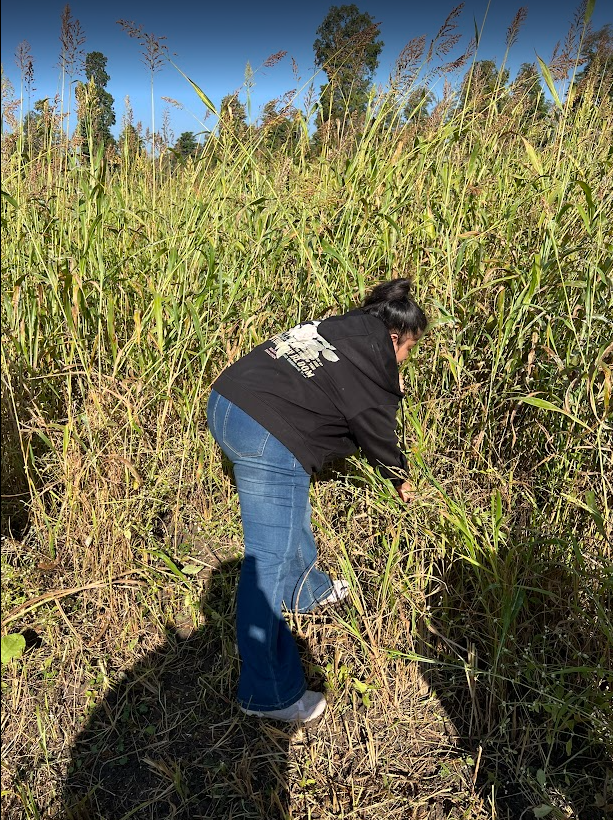
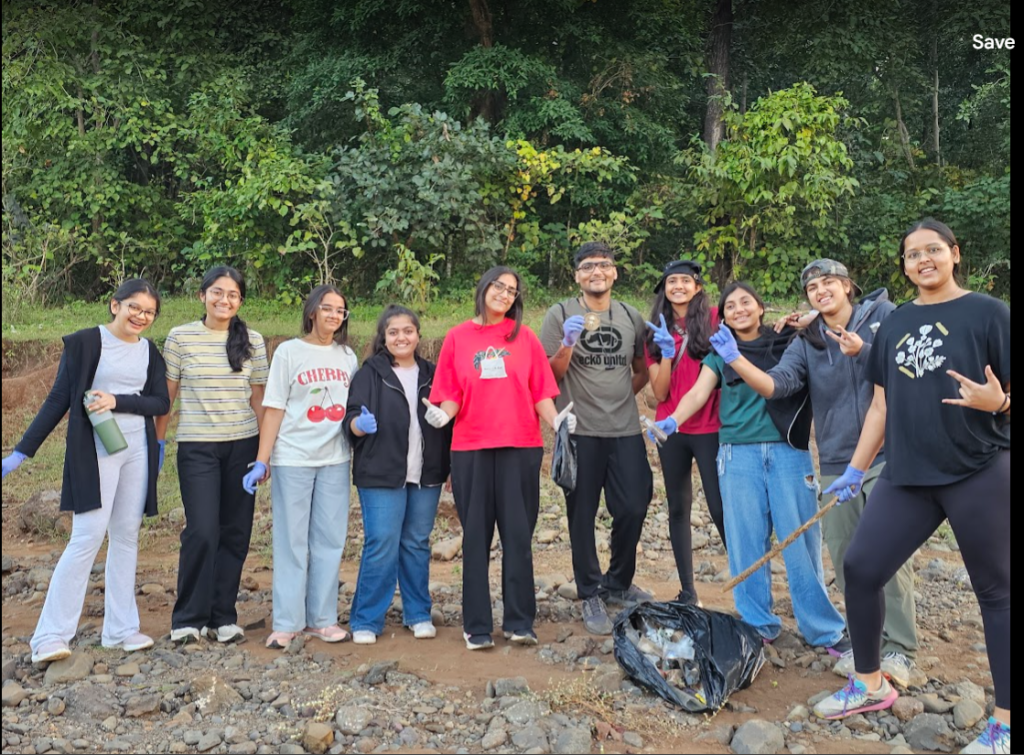
Each day in Ambapani carried its own quiet challenge. Farming under the sun, collecting plastic around the village, learning farming, creating mud Lipan, and painting Warli designs were not just activities, they were lessons in resilience. There were moments of exhaustion, confusion, and hesitation, especially when communication barriers made simple tasks feel complicated. Yet somewhere between the evening reflection circles, and the sound of birds in the early mornings, I began to grow stronger. I learned to trust myself, to solve problems with limited resources, and to keep going even when I felt unsure. These experiences awakened a new sense of courage in me, the kind that comes from surviving discomfort and discovering that I am capable of far more than I believed.
LO3 – Initiate and plan a CAS experience
The immersion required planning, preparation, and cooperation before and during the trip. We organized resources, prepared activities, and managed our daily schedules while coordinating with teachers, teammates, and the local community. I learned that good planning must remain flexible, as rural environments often require quick adjustments. This experience helped me become more organized, responsible, and confident in managing group responsibilities. It also taught me that strong planning leads to smoother collaboration and better outcomes.
LO4 – Show commitment and perseverance in CAS experiences
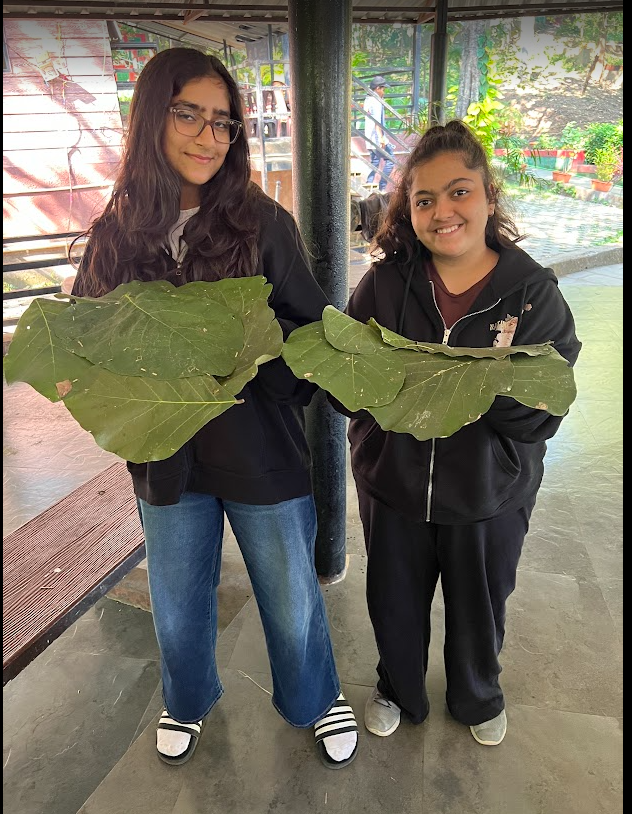
Staying in a new environment for six days required consistent commitment. Physical fatigue, emotional challenges, and adapting to unfamiliar routines tested my perseverance. However, I remained engaged in every activity because I believed in the purpose of the program. I learned that perseverance is not only about endurance but about maintaining a positive mindset even when circumstances feel uncomfortable. This experience strengthened my discipline and helped me trust my ability to remain focused under pressure.
LO5 – Demonstrate skills and benefits of working collaboratively
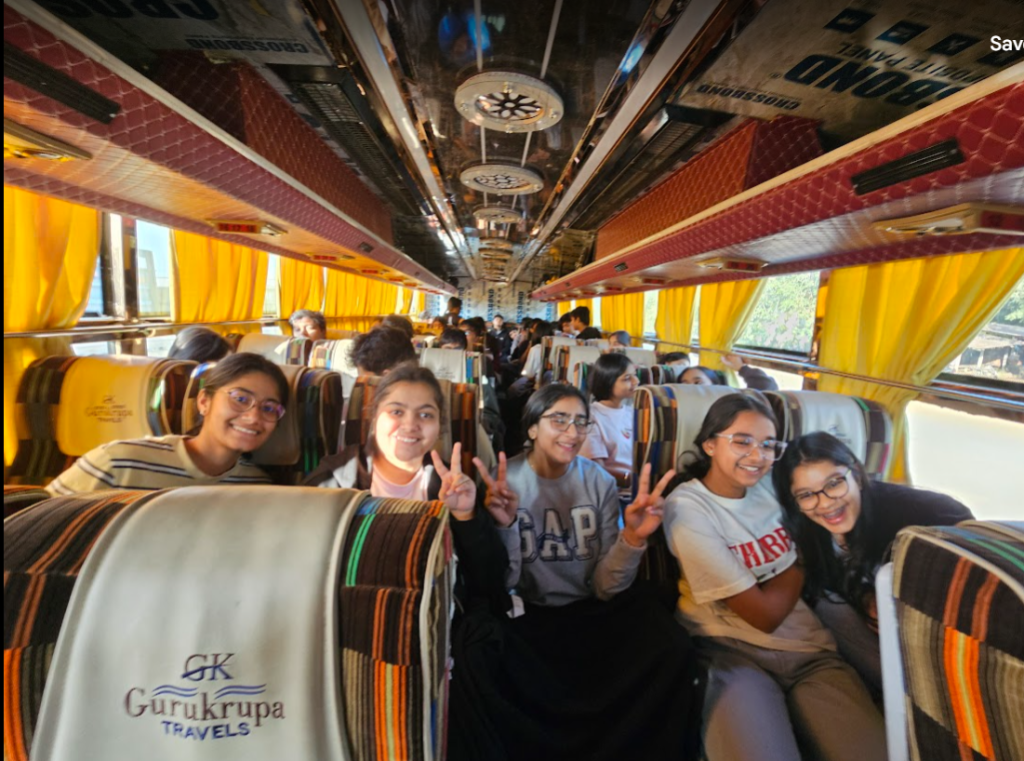

Collaboration played a central role throughout the trip. Whether working with my peers during plastic collection or interacting with villagers, teamwork was essential for completing tasks and solving problems. We supported each other through difficulties, shared responsibilities, and learned from one another’s strengths. This strengthened my communicator learner profile attribute, as I learned to express ideas clearly, listen actively, and cooperate respectfully. Working collaboratively made the experience smoother and far more meaningful.
LO6 – Engagement with issues of global significance

This immersion deepened my understanding of global issues such as inequality, access to education, poverty, and responsible resource use. Seeing these challenges firsthand made them feel real rather than theoretical. I became more open-minded, recognizing how development must be approached with empathy and awareness of diverse realities. The experience encouraged me to reflect on my privileges and think more critically about my role as a global citizen.
LO7 – Recognize and consider the ethics of choices and actions

Throughout the trip, I became more aware of the ethical responsibility we have when working with communities different from our own. Respecting cultural traditions, communicating sensitively, and ensuring our actions were helpful rather than intrusive were essential. This helped me develop the principled learner profile attribute, as I learned to consider the consequences of my actions on others. The experience taught me that ethical awareness must guide every meaningful act of service.
To conclude, this rural immersion helped me grow into a more open-minded, reflective, principled, and courageous individual. The highlight was realizing how deeply perspective can change when you experience life through someone else’s reality. If I were to repeat this experience, I would focus even more on long-term impact and follow-up service. This program strengthened my empathy, responsibility, and commitment to contributing positively to my community and the world.